Bodies of Water of Central America

Río Dulce: Guatemala's Gateway to the Caribbean

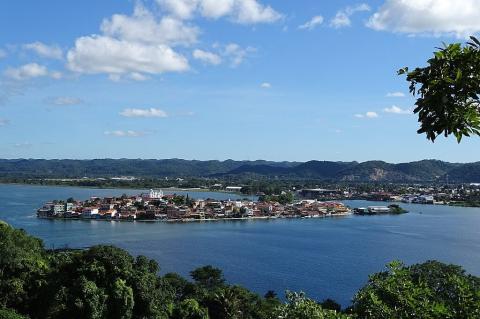
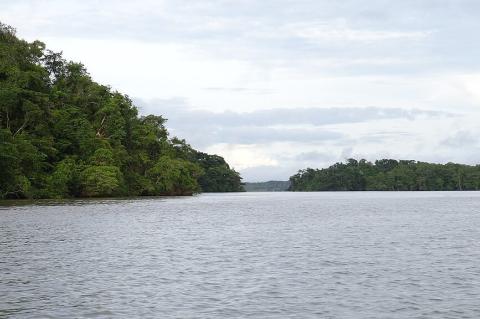
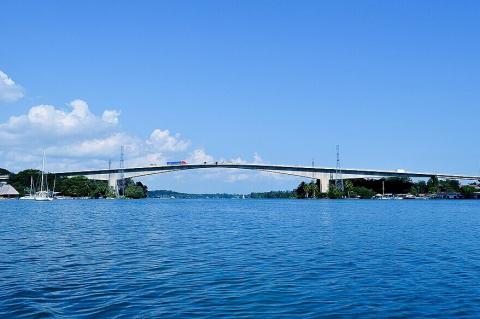
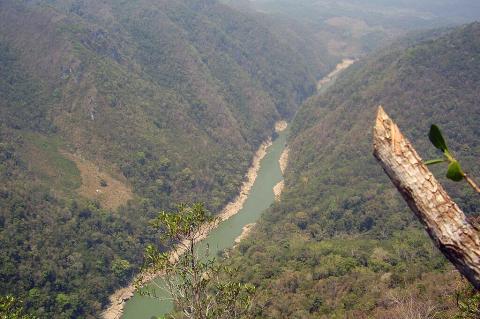
Flowing through the lush landscapes of eastern Guatemala, Río Dulce is one of the country's most breathtaking and ecologically significant waterways. Stretching from Lake Izabal to the Caribbean Sea, it has long served as a vital trade route, a sanctuary for diverse wildlife, and a refuge for Indigenous and Garífuna communities. The river is protected within Río Dulce National Park, a region known for its tropical rainforests, dramatic limestone cliffs, and rich biodiversity.

Roatán and the Bay Islands: Caribbean Gems in Honduras' Coral Kingdom

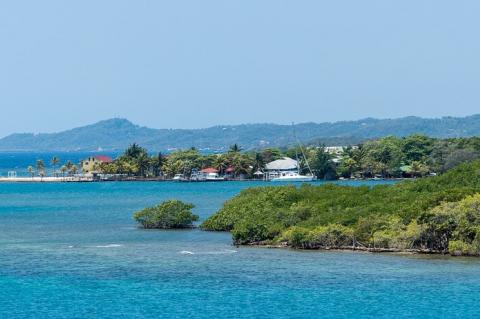
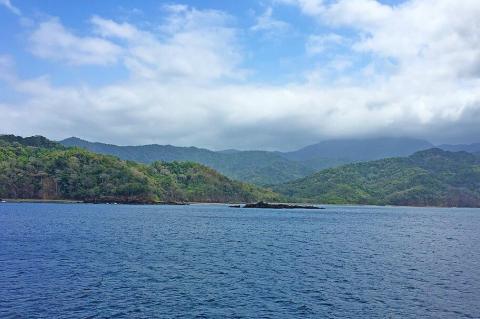
In the azure waters of the Caribbean Sea, where ancient coral formations meet tropical landscapes, lies one of Central America's most remarkable marine ecosystems—the Bay Islands of Honduras. Anchored within the Gulf of Honduras, this archipelago represents a living testament to millions of years of geological evolution and marine biodiversity, with Roatán serving as its crown jewel. Here, beneath crystalline waters, thrives the second-largest barrier reef system in the world, while above, a rich tapestry of cultures weaves together Indigenous, colonial, and Afro-Caribbean influences.

The Lempa River: Central America's Lifeline of Nature and Culture

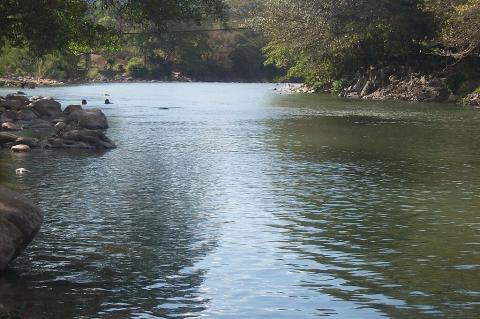
Flowing through the heart of Central America, the Lempa River is a vital artery that sustains the landscapes, economies, and communities of three nations: Guatemala, Honduras, and El Salvador. As the longest river in El Salvador, it holds immense significance in the region, shaping its environment, history, and cultural identity. The river's diverse ecosystems, historical importance, and economic contributions make it a subject of considerable interest and a focal point for conservation efforts.

The Twin Jewels of the Caribbean: Exploring the Gulfs of Darién and Urabá

Nestled between the Caribbean Sea and the dense tropical rainforests of Central and South America lie two lesser-known yet profoundly significant bodies of water: the Gulf of Darién and the Gulf of Urabá. These gulfs, often overshadowed by their more famous regional counterparts, are geographical and ecological treasures. Within their boundaries, they hold a rich tapestry of history, vibrant ecosystems, and socio-economic dynamics that have shaped the lives of the communities around them for centuries.

The Usumacinta River: The Lifeblood of Mesoamerica

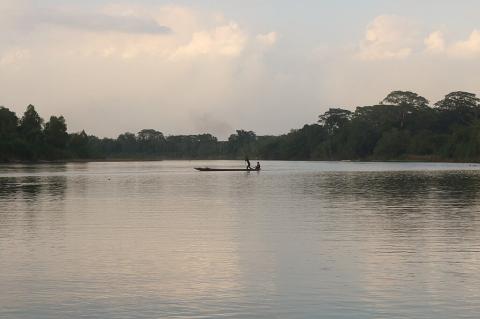
The Usumacinta River, one of the most significant waterways in Central America, meanders through the lush landscapes of Guatemala and Mexico. As the largest river in Mesoamerica, it has long been a vital artery for ecosystems, cultures, and economies. Rich in history, biodiversity, and natural beauty, the Usumacinta River is both a lifeline for the region and a source of growing concern as environmental pressures mount.