Historical & Cultural Landmarks in South America

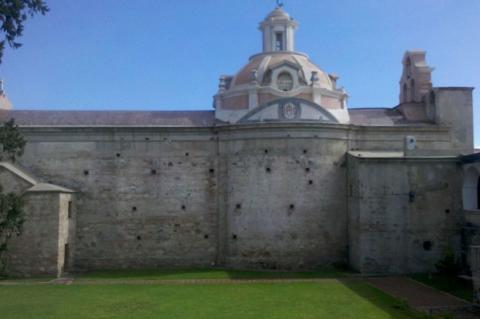
The Jesuit Block and Estancias of Córdoba: A Testament to Cultural Exchange

The Jesuit Block and Estancias of Córdoba stand as a powerful testament to the enduring influence of Jesuit missionaries in shaping South America's cultural, religious, and economic landscape. A UNESCO World Heritage Site, this remarkable ensemble transcends its architectural and historical significance. It embodies a vast religious, political, economic, legal, and cultural system, leaving an indelible mark on the region's development.

The Living Heritage of Cusco: A Journey Through Time in Peru's Sacred Valley

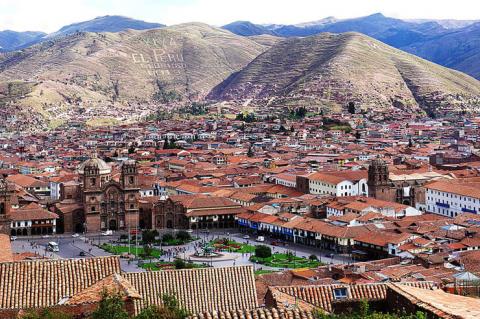
Perched high in the Andes within Peru's Sacred Valley, Cusco exemplifies a living cultural heritage where ancient Inca stonework seamlessly integrates with Spanish colonial architecture. Once the heart of Tawantinsuyu, this UNESCO World Heritage city serves as a gateway to Machu Picchu for millions of annual visitors while maintaining vibrant indigenous traditions. From the legendary Qoricancha temple to bustling markets where Quechua-speaking vendors sell traditional textiles, Cusco reveals a place where the boundaries between past and present dissolve into extraordinary harmony.

The Magnificent Teatro Amazonas: A Jewel in the Heart of the Amazon

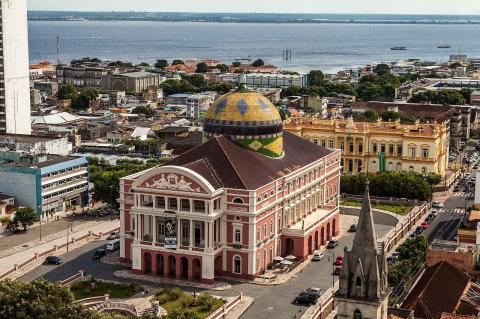
Deep within the lush embrace of the Amazon Rainforest stands the remarkable Teatro Amazonas, a testament to human ingenuity and artistic expression. It took over 15 years to construct the theater, with artists, designers, and materials imported from Europe, to create a one-of-a-kind cultural institution. This iconic opera house, situated in the bustling city of Manaus, Brazil, is a true architectural masterpiece. Its grand neo-classical façade and exquisite interiors captivate all who enter its doors.

The Modernist Legacy of the University City of Caracas

The University City of Caracas is the main campus of the Central University of Venezuela, located in the heart of Caracas, the nation's capital. Designed by the renowned Venezuelan architect Carlos Raúl Villanueva, the campus is celebrated as one of Latin America's most outstanding examples of modernist architecture and urban planning. Recognized as a UNESCO site, it is considered Villanueva's crowning achievement, fusing architecture, art, and landscape into a coherent urban masterpiece.

The Nazca Lines: Mysteries of Ancient Peru

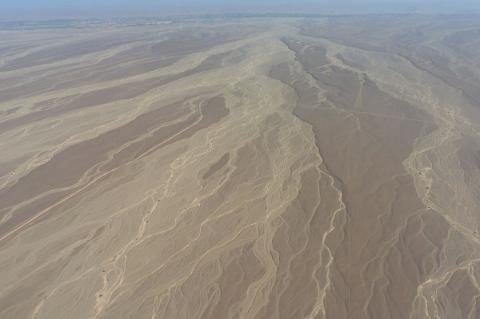
The arid plains of southern Peru, etched with a mesmerizing network of colossal geoglyphs, stand as a profound testament to the artistic and intellectual capabilities of the ancient Nasca and Paracas cultures. Stretching across the ochre-hued expanse known as the Nazca Desert, or Pampa Colorada (Red Plain), and extending into the neighboring Pampas de Jumana, these striking formations represent one of the world's most iconic and enduring archaeological enigmas.

The Pan-American Highway: Linking North, Central, and South America

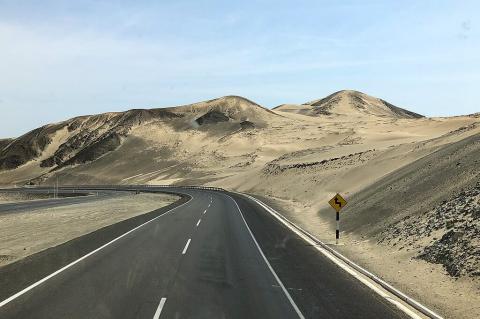
Stretching from the frozen tundras of Alaska to the windswept landscapes of Tierra del Fuego, the Pan-American Highway is a testament to human ingenuity and the indomitable spirit of connectivity. This vast network of roads is one of the most extensive and ambitious transportation systems ever conceived, serving as a vital artery for trade, tourism, and cultural exchange across the Americas. Despite the monumental achievements of the highway, a formidable obstacle remains – the Darién Gap.

The Qhapaq Ñan: Weaving an Empire Through Stone and Sky

Stretching across the spine of South America, the Qhapaq Ñan represents one of humanity's most ambitious engineering achievements. This network of pathways once carried the footsteps of llamas laden with precious cargo, alpacas bearing the finest textiles, and chasqui messengers racing between distant provinces of the vast Inca Empire. More than mere roads, these ancient highways served as the nervous system of Tawantinsuyu, the "Land of the Four Quarters," binding together a realm that spanned from the emerald depths of the Amazon to the windswept altiplano.

The Urubamba Valley: Sacred Heart of the Inca Empire

The Urubamba Valley, or Sacred Valley of the Incas, extends 100 km through Peru's Andes at 2,050-3,700 meters altitude. This fertile land, shaped by the Urubamba River and sacred to Inca cosmology, hosts key archaeological sites such as Machu Picchu, Ollantaytambo, and Pisac. Quechua communities preserve ancient agriculture on terraced slopes where native species like Polylepis trees and Vicugna vicugna thrive. Sustainable tourism supports preservation and economic growth in this UNESCO World Heritage site.

Unveiling Potosí: A Legacy of Silver and Splendor

Potosí, Bolivia, is situated in the Andes and is renowned for its colonial history. The city is a live museum of the silver mining industry, which once brought immense wealth and historical significance to the region. Potosí's history is closely intertwined with the discovery of the Cerro Rico silver deposit in 1545. This discovery transformed the city into one of the largest and wealthiest urban centers in the Americas during the Spanish colonial period.

Valongo Wharf: Brazil's Gateway to a Dark Past

The Valongo Wharf Archaeological Site in Rio de Janeiro, Brazil, is a powerful reminder of one of the darkest chapters in human history: the transatlantic slave trade. Once a hub for the forced transportation of enslaved Africans to the Americas, Valongo Wharf bears witness to the suffering and exploitation endured by millions. Rediscovered during construction work, the site was designated a UNESCO World Heritage Site, recognizing its profound historical and cultural significance. The archaeological remains of the wharf serve as a place of reflection, remembrance, and education.