Historical & Cultural Landmarks in South America

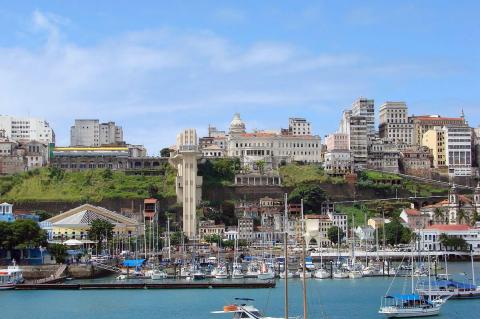
Salvador de Bahia: From Colonial Capital to Cultural Beacon

Salvador de Bahia, officially known as São Salvador da Bahia de Todos os Santos, is the capital of the Brazilian state of Bahia. Renowned for its rich cultural heritage, vibrant music, dance, and distinctive cuisine, Salvador is a testament to Brazil's dynamic history. Founded in 1549 as the first capital of Brazil, the city's significance is beautifully encapsulated in its Historic Center, known as Pelourinho, a UNESCO World Heritage site.

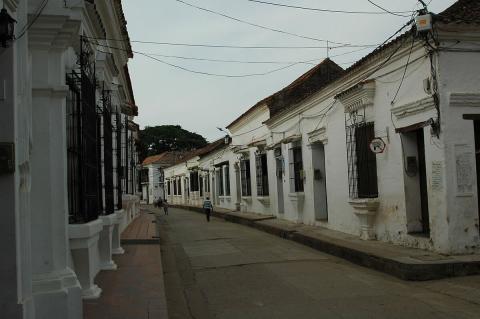
Santa Cruz de Mompox: Colombia's Colonial Jewel

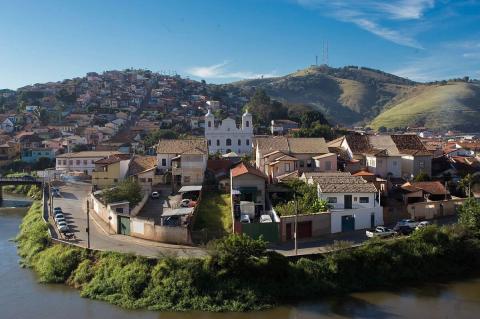
Nestled along the banks of the Magdalena River in northern Colombia, the Historic Center of Santa Cruz de Mompox emerges as a cultural gem, frozen in time and exuding the charm of colonial heritage. This UNESCO site is a testament to Mompox's historical significance, architectural brilliance, and role in shaping Colombia's cultural landscape. The town's rich history, picturesque streets, and vibrant traditions offer a unique glimpse into the past, preserving the essence of colonial Colombia.

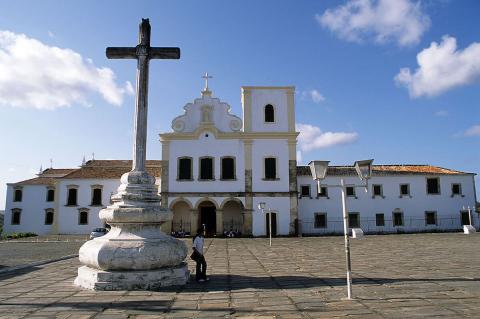
São Cristóvão: A Colonial Masterpiece in Brazil's Northeast

São Cristóvão, located in the northeastern state of Sergipe, Brazil, is one of the oldest colonial settlements in the country and holds a special place in Brazil's colonial history. The town is best known for São Francisco Square, which reflects a unique blend of Spanish and Portuguese colonial city planning and architecture. São Cristóvão's historical significance is further enriched by its collection of early colonial buildings, including churches, convents, and civil structures, which demonstrate the cultural and architectural evolution of the region.

São Luís: An Enchanting Portal to Brazil's Colonial Grandeur

Nestled along the captivating Atlantic coast of northeastern Brazil, the city of São Luís stands as an enchanting portal that transports visitors back in time, unveiling the nation's rich colonial heritage and cultural tapestry. Its historic center boasts a remarkable blend of architectural treasures, vibrant traditions, and a storied past, offering an unparalleled glimpse into the very essence of Brazil's historical grandeur.

Sewell: The City of Stairs - A Legacy Carved into the Andes

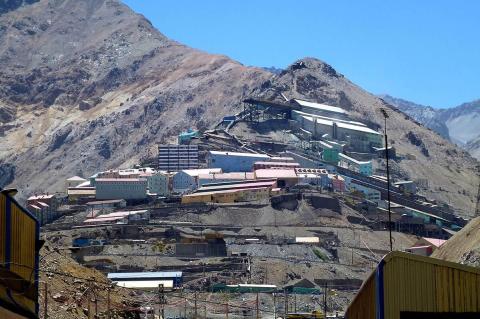
Perched high in the Chilean Andes, Sewell is a testament to human ingenuity and the pioneering spirit of the early 20th century. This abandoned mining town, clinging precariously to steep mountain slopes, tells a compelling story of industrial ambition, community life, and architectural innovation. Known as "The City of Stairs," Sewell's unique vertical layout and rich history have earned it recognition as a UNESCO World Heritage Site, preserving its legacy for future generations.

Sucre: Bolivia's Jewel of Colonial Grandeur and Architectural Fusion

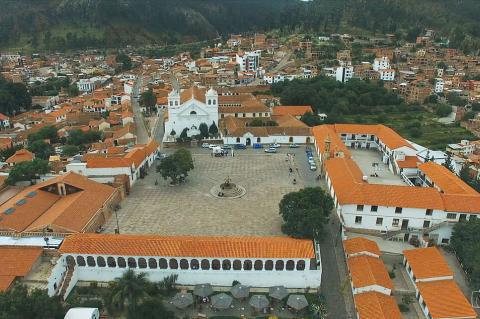
Nestled in the heart of Bolivia's south-central region, Sucre stands as a living testament to the country's rich colonial heritage and the harmonious fusion of indigenous and European architectural styles. Founded in 1538 by Spanish settlers, this historic city has undergone a remarkable transformation from its humble beginnings on the lands of the Yampara indigenous culture to its current status as Bolivia's constitutional capital and a UNESCO World Heritage Site.

The Churches of Chiloé: Enduring Sanctuaries of Faith, Culture, and Architectural Ingenuity

Amidst the breathtaking natural splendor of the Chiloé Archipelago, a remarkable ensemble of churches stands as a testament to the harmonious fusion of Indigenous traditions and Spanish colonial influences. The Churches of Chiloé, numbering around 70 structures scattered across the islands, are more than mere religious edifices; they are living embodiments of the region's rich cultural heritage, architectural ingenuity, and unwavering faith – a fusion of spirituality and artistic expression that has endured for centuries.

The Coffee Cultural Landscape of Colombia: A Living Heritage

The Coffee Cultural Landscape of Colombia is an exceptional and dynamic region that epitomizes the blend of natural beauty, economic vitality, and cultural richness. Recognized as a World Heritage property, this landscape comprises six farming landscapes that integrate eighteen urban settlements, showcasing the intricate relationship between humans and their environment in the cultivation of coffee.

The Federal District of Brazil: A Political and Cultural Hub

The Federal District of Brazil, known as Distrito Federal, is a unique administrative region that plays a pivotal role in the nation's governance and identity. Established as the capital of Brazil, Brasília exemplifies modern urban planning and serves as the epicenter of political activity in the country. The Federal District stands out as a vital component of Brazil's national narrative with a distinct blend of history, governance, economy, and cultural richness.

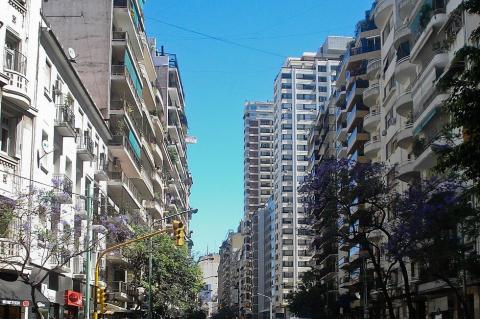
The Heart of Buenos Aires: Exploring Plaza de Mayo

Plaza de Mayo is not merely a public square but the symbolic heart of Buenos Aires and the epicenter of Argentina's political and cultural history. For over two centuries, the plaza has served as a stage for some of the country's most significant events, from the struggle for independence to modern-day protests and celebrations. Its surrounding landmarks, historical significance, and cultural impact make it one of Argentina's most iconic and enduring spaces.