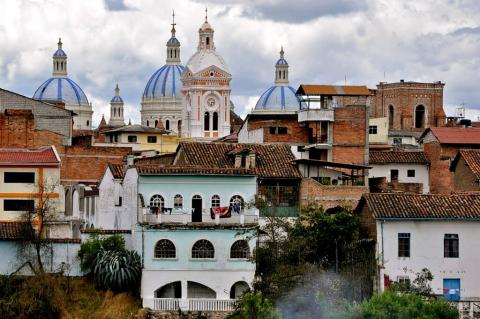
Historical & Cultural Landmarks in South America

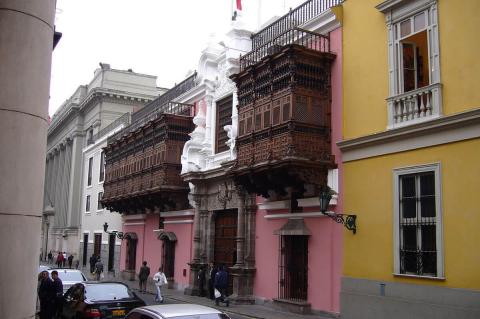
Exploring the Monumental Legacy of Lima's Historic Center

Nestled in the Rimac Valley, the Historic Center of Lima, originally christened 'Ciudad de Los Reyes' (City of the Kings), stands as a living testament to the city's rich colonial heritage and its pivotal role in the history of the New World. Founded by Spanish conqueror Francisco Pizarro in January 1535 on the territories once led by the Chiefdom of Rimac, this UNESCO World Heritage Site is a captivating tapestry woven with architectural masterpieces, religious grandeur, and a cultural legacy that has endured for centuries.

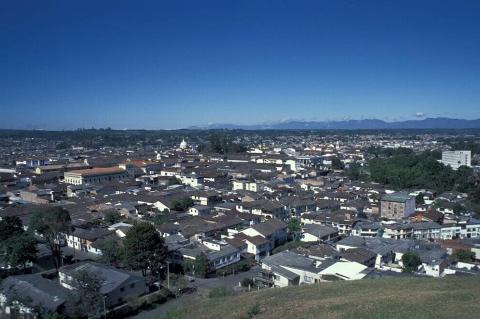
Exploring the White City of Latin America: Popayán, Colombia

Nestled in the Andean mountains of southwestern Colombia, Popayán is one of the country's oldest and most historically significant cities. Known as "La Ciudad Blanca" (The White City) for its whitewashed colonial buildings, Popayán is set in a valley in the Cauca Department, surrounded by scenic mountain landscapes that shape its distinct geography and climate. Its well-preserved colonial architecture, religious traditions, and vibrant cultural scene have earned it a reputation as a center of historical and cultural heritage.

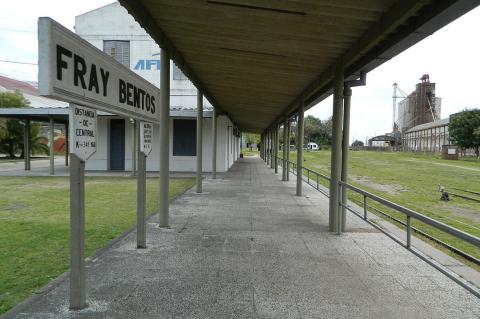
Fray Bentos: Where Industry, History, and Nature Converge

Located in the southwestern region of Uruguay, Fray Bentos, the capital of the Río Negro Department, is a city steeped in industrial heritage and cultural richness. Once a bustling hub of global meat production, Fray Bentos has evolved into a vibrant town that weaves together its industrial past with natural beauty and modern charm. Known for its meatpacking industry, Fray Bentos played a critical role in shaping Uruguay's economy and reputation on the global stage.

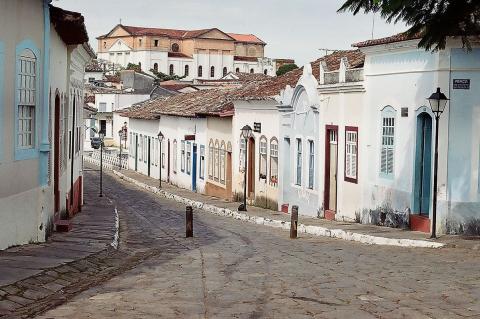
Goiás Velho: A Journey through Brazil's Colonial Legacy

Nestled amidst Brazil's rolling hills and lush greenery lies the picturesque and captivating town of Goiás. With its stunning, well-preserved colonial architecture and quaint cobblestone streets, this charming town paints a vivid picture of a bygone era. As the capital of the state of Goiás, Goiás Velho exudes an air of cultural significance, proudly showcasing the unique blend of traditions and customs that have shaped Brazil's history.

Historic Town of Ouro Preto: The Heart of Brazil's Colonial Heritage

Nestled within the Brazilian Highlands, the historic town of Ouro Preto in Minas Gerais is a testament to Brazil's rich colonial history and architectural grandeur. This UNESCO World Heritage site is renowned for its well-preserved colonial architecture, cultural heritage, and artistic legacy. Founded in 1698 and once the capital of Minas Gerais, Ouro Preto played a pivotal role during the Brazilian Gold Rush, transforming it into a prosperous center of wealth and culture.

Humberstone and Santa Laura Saltpeter Works: Chile's Industrial Legacy

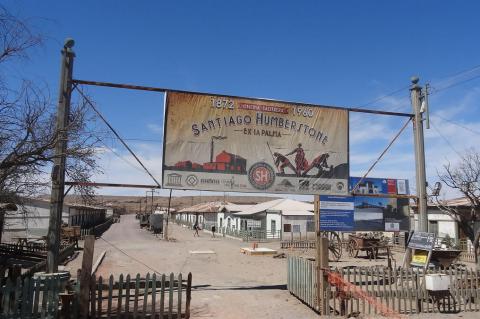
Nestled within the arid expanses of the Atacama Desert, a landscape seemingly devoid of life, lies a testament to human ingenuity and resilience - the Humberstone and Santa Laura Saltpeter Works. Situated east of Iquique, in the Tarapacá Region of northern Chile, these two saltpeter works stand as the most representative vestiges of an industry that once wielded unparalleled influence over the region's economy and society.

Iruya: Journey to Argentina’s Hidden Highland Town

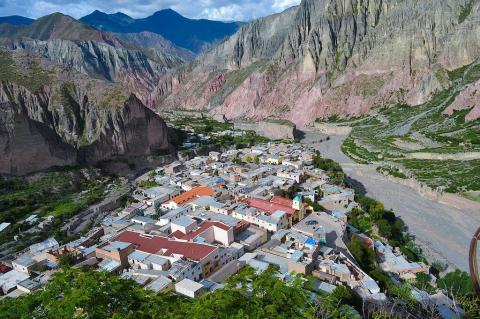
Located within the dramatic mountainous landscape of the Altiplano in northwestern Argentina, Iruya is known for its stunning geographical beauty and rich cultural heritage. Situated along the Iruya River, this picturesque town is part of the Salta province, near the border with Bolivia. Known for its blend of aboriginal and Hispanic cultures, Iruya offers a unique glimpse into the region's history and traditions.

Jesuit Missions of Paraguay: La Santísima Trinidad de Paraná and Jesús de Tavarangue

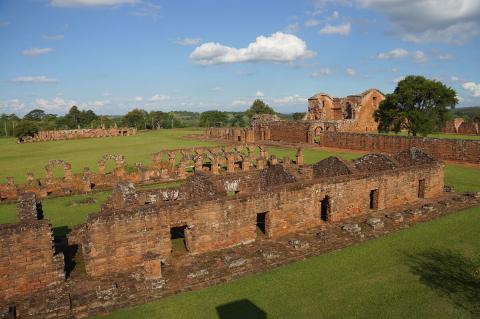
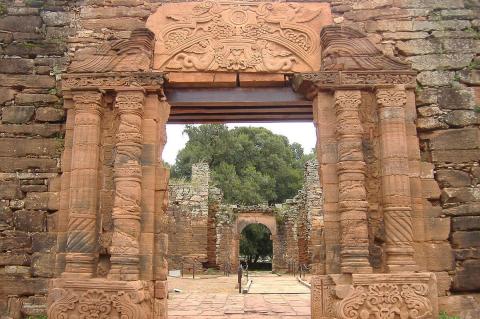
The Jesuit Missions in Paraguay, established during the 17th and 18th centuries, are powerful symbols of the Society of Jesus's efforts to integrate European religious and cultural practices with those of the indigenous Guaraní people. Through a policy of cultural accommodation, these missions blended European Baroque artistry with indigenous traditions, resulting in a unique Guaraní Baroque style that is still admired today. These missions also became centers for education, arts, and economic development, marking a transformative era in South America's history.

Jesuit Missions of the Guaranis: A Cultural Convergence in South America

The Jesuit Missions of the Guaranis, located in Argentina and Brazil, showcase the convergence of European and indigenous cultures during the 17th and 18th centuries. These settlements, founded by the Society of Jesus, aimed to Christianize and integrate the Guaraní people into a religious and cultural system that remains a testament to harmonious coexistence. This chapter of history is marked by remarkable architecture, cultural exchange, and a legacy that has earned recognition as a UNESCO World Heritage Site.

La Moneda Palace: Symbol of Chilean Democracy, Resilience, and Civic Heritage

La Moneda Palace in Santiago, Chile, also known as Palacio de la Moneda, is an iconic symbol of Chilean history, politics, and resilience. Originally constructed as a colonial mint house in the late 18th century, the palace has witnessed significant historical events, including the transformation of its role from a coin-producing facility into the seat of political power.