Historical & Cultural Landmarks in South America

León Cathedral: The Historic Heart of Nicaragua

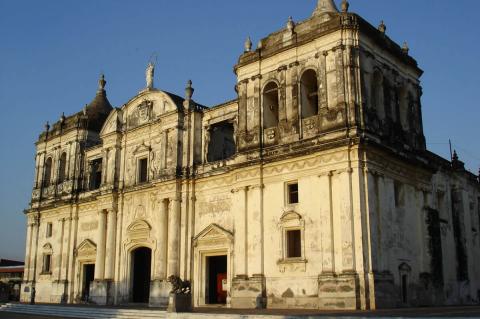
The León Cathedral, also known as the Cathedral of the Assumption of Mary, is a historic and architectural landmark in León, Nicaragua. It is the largest cathedral in Central America and represents the region's rich cultural and religious history. Constructed between 1747 and 1814 and consecrated by Pope Pius IX in 1860, it is significant for its architectural grandeur, historical importance, and role in the local community, making it a cornerstone of Nicaraguan heritage.

Machu Picchu: Where Stone Dreams Meet Cloud Forest Mysteries

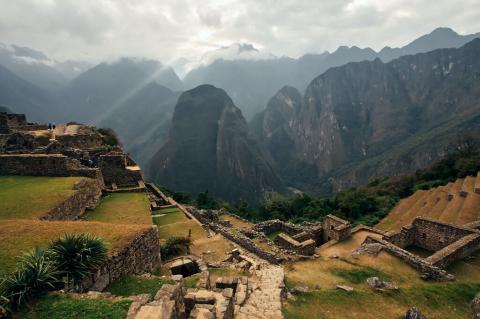
High above the Urubamba Valley, where Andean peaks pierce clouds and ancient mists whisper of forgotten ceremonies, stands Machu Picchu—perhaps the most enigmatic human achievement. This stone citadel seems to float between Earth and sky, its granite walls rising naturally from the mountain ridge like a formation shaped by divine hands rather than human tools. From its precisely engineered terraces to its role as guardian of numerous species, Machu Picchu is a masterpiece where human ingenuity harmonized with Earth's biodiversity.

Manzana de las Luces: The Illuminated Heart of Buenos Aires

At the heart of Buenos Aires, nestled in the historic Monserrat neighborhood, lies one of Argentina's most significant cultural landmarks: Manzana de las Luces. This block, rich in historical and architectural heritage, dates back to the late 17th century and has played a central role in the development of Argentina's academic, religious, and civic institutions. From its origins as a Jesuit mission to its role as a hub of intellectual and political activity, Manzana de las Luces is a testimony to colonial Buenos Aires and the Enlightenment ideals that shaped its evolution.

Maras: A Hidden Gem of the Sacred Valley of the Incas

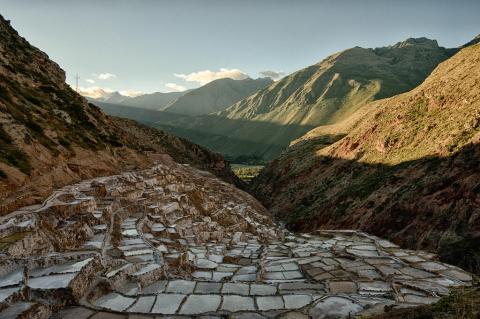
Nestled in the heart of the Sacred Valley of the Incas, the town of Maras stands as a testament to Peru's rich cultural heritage and natural wonders of Peru. This quaint village, located approximately 45 km (28 mi) north of Cusco, has captured the hearts of visitors with its picturesque streets, colonial architecture, and the remarkable Salineras de Maras—a salt mining marvel dating back to pre-Incan times.

Modernism in La Plata: The Legacy of Curutchet House

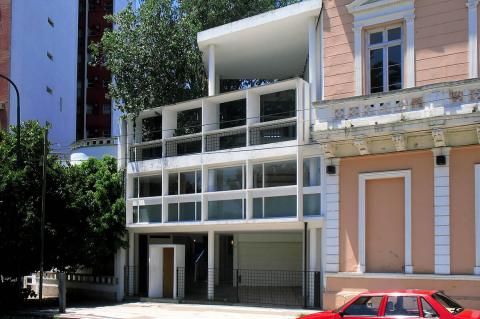
In the heart of La Plata, Argentina, stands a testament to architectural innovation and visionary design: the Curutchet House. This remarkable structure embodies the revolutionary principles of the Modern Movement and showcases the genius of its creator, Le Corbusier. As one of the 17 sites across seven countries recognized by UNESCO as part of "The Architectural Work of Le Corbusier," the Curutchet House is distinguished in the pantheon of 20th-century architecture.

Olinda: A Timeless Treasure of Colonial Brazil

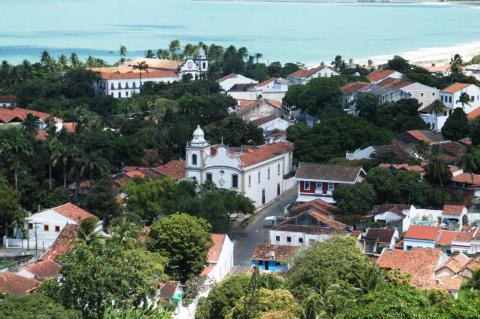
Olinda, a historic town in northeastern Pernambuco, Brazil, captivates visitors with its rich cultural heritage and stunning colonial architecture. Perched on a hill overlooking the Atlantic coast, just a few kilometers north of Recife, Olinda is a treasure trove of history and culture, recognized as a UNESCO World Heritage site. Exploring Olinda reveals its historical significance, architectural marvels, and contemporary cultural landscape

Pampulha Modern Ensemble: Masterpiece of Brazilian Modernism

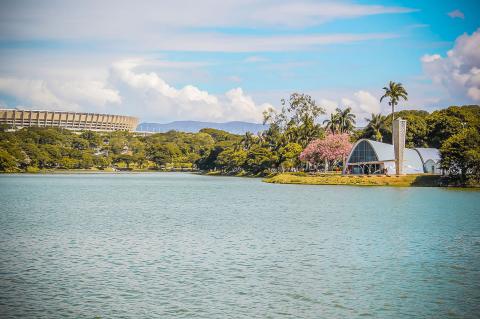
Encircling an artificial lake in Belo Horizonte, the Pampulha Modern Ensemble stands as one of the 20th century's most influential architectural achievements. Created in 1940, this cultural and leisure complex represents a pivotal moment when modernist architecture broke free from rigid European orthodoxy to embrace the curves, colors, and climate of Brazil. Through the work of architect Oscar Niemeyer, landscape designer Roberto Burle Marx, and a collaborative team of innovative artists, Pampulha pioneered an organic modernism that would echo throughout Latin America and beyond.

Paramaribo's Historic Inner City: A UNESCO World Heritage Jewel

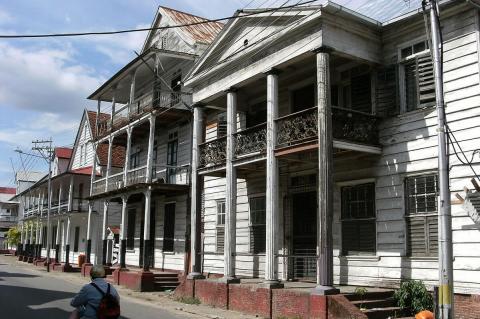
Nestled along the Suriname River in northeastern South America, Paramaribo, Suriname’s capital and largest city, is celebrated for its rich historical legacy and diverse cultural fabric. Paramaribo is a testament to Suriname’s colonial history and vibrant multicultural society. Designated as a UNESCO World Heritage Site under the title “Historic Inner City of Paramaribo,” the city is known for its distinctive blend of Dutch colonial architecture, tropical setting, and cultural fusion.

Quito's Historic Center: A Cultural Crossroads in the Andes

The Historic Center of Quito, Ecuador, represents a profound blend of history, culture, and architectural marvels. Designated as a UNESCO World Heritage Site, this remarkable area showcases the convergence of indigenous traditions, Spanish colonial influence, and modern developments. It remains a vibrant testimony to centuries of cultural and historical evolution, offering visitors a glimpse into Quito's rich and dynamic past.

Recoleta, Buenos Aires: A Historic and Cultural Jewel

Recoleta is one of Buenos Aires' most distinguished neighborhoods, renowned for its blend of history, architecture, and culture. This downtown residential area is defined by its stunning Beaux-Arts architecture, elegant mansions, and the world-famous La Recoleta Cemetery. Originally named after a Franciscan monastery, the neighborhood has evolved into one of the city's most stylish and sought-after districts, attracting tourists, wealthy residents, and cultural enthusiasts alike.