Historical & Cultural Landmarks in South America

Congonhas: Baroque Jewel of Minas Gerais

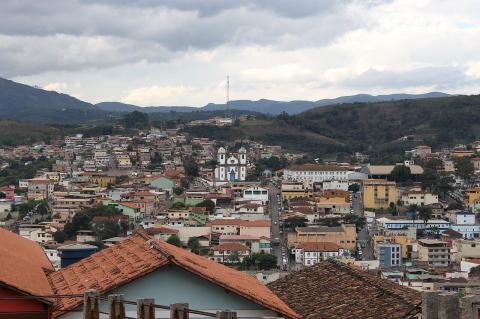
Perched atop the Morro do Maranhão bluff in the heart of Brazil's mining country, Congonhas stands as a testament to the wealth and artistry of the colonial gold rush era. This historic city in southeastern Minas Gerais seamlessly blends its baroque heritage with modern Brazilian life. Home to approximately 55,000 residents, Congonhas remains both a pilgrimage destination for millions of Catholics and a living museum of 18th-century Brazilian art and architecture.
Connecting Nations: The Trans-Andean Highway and its Vital Passes

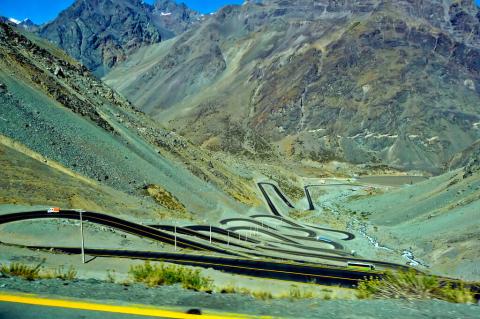
The Trans-Andean Highway is a critical network of roads and mountain passes that traverse the Andes Mountains, facilitating transportation and trade between Argentina and Chile. This extensive system of routes plays an essential role in the economic and cultural ties between these two South American nations, offering a mix of challenging terrains and stunning landscapes. Each pass within the network has unique characteristics that contribute to its importance for cross-border trade, tourism, and transportation.

Coro and La Vela: Venezuela's Colonial Heritage

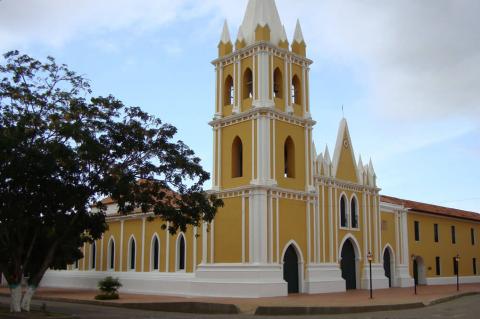
Coro, also known as Santa Ana de Coro, is a historic colonial port city in Venezuela, founded on July 26, 1527, by Juan de Ampíes. It is famous for its well-preserved colonial architecture and historical significance, being the first South American town to achieve independence from Spain. Designated a UNESCO World Heritage Site in 1993, Coro is a testament to the enduring legacy of Spanish colonization and the blending of various architectural styles and local traditions.

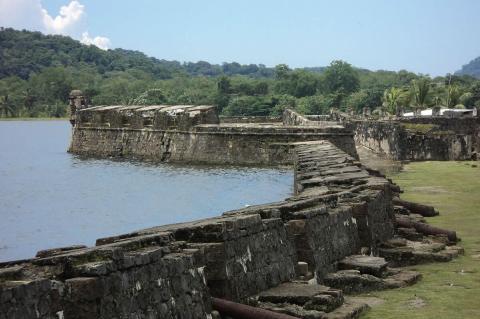
Defenders of the Caribbean: The Fortifications of Portobelo-San Lorenzo

Situated along the picturesque coast of the Colón Province in Panama, the Fortifications of Portobelo-San Lorenzo are enduring symbols of Spanish colonial military engineering. These fortifications were designed to protect the lucrative transatlantic trade routes that connected the New World to Spain. Recognized as a UNESCO site, these fortifications represent a key chapter in the history of global commerce and military architecture, standing as silent witnesses to a bygone era of colonial expansion and strategic defense.

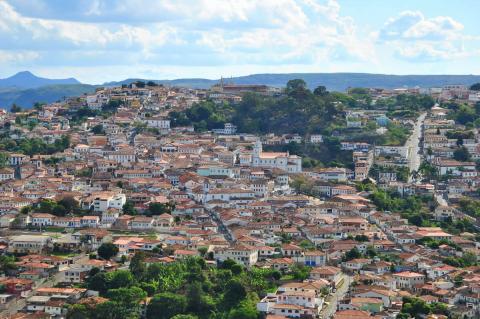
Diamantina: Diamond Capital of Colonial Brazil

High in the arid mountains of the Serra do Espinhaço, the historic city of Diamantina stands as a testament to the diamond fever that gripped colonial Brazil in the 18th century. Originally known as Arraial do Tijuco, this remote settlement in northern Minas Gerais became the world's premier diamond-mining center, with its wealth transforming a rough mining camp into an elegant colonial city adorned with baroque churches and grand mansions. Today, Diamantina preserves its colonial character so completely that UNESCO designated its historic center a World Heritage Site

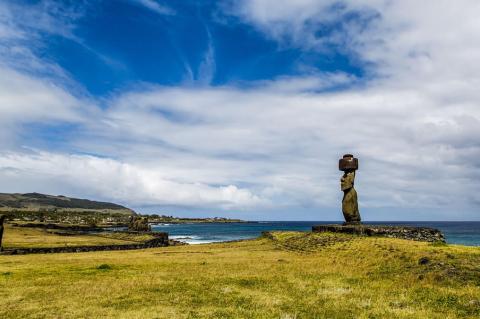
Easter Island: Unveiling the Mysteries of Rapa Nui

Easter Island, known locally as Rapa Nui, is remote and enigmatic in the southeastern Pacific Ocean. This Chilean territory, famous for its colossal stone statues called moai, offers a fascinating glimpse into Polynesian culture and human ingenuity. The island's rich archaeological heritage and unique ecosystem make it a site of immense cultural and scientific importance, recognized globally through its designation as a UNESCO World Heritage Site.

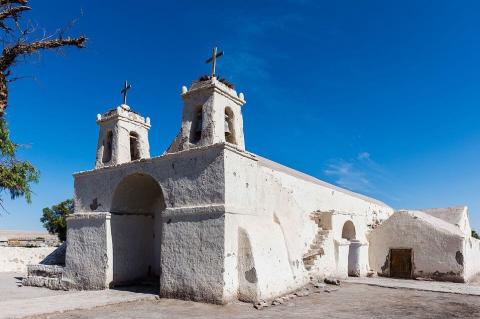
Echoes of Faith: The Churches of the Altiplano

The high-altitude Altiplano plateau, stretching across northern Chile and Bolivia, is home to a remarkable blend of Indigenous and colonial cultures. During the Spanish colonization, this region became a melting pot of Quechua, Tiahuanaco, Inca, and Aymara influences, resulting in a unique cultural synthesis. The most tangible reflection of this cultural fusion is the numerous chapels and churches built during this period.

Exploring Chile's Southern Pacific Coast: Caleta Tortel and Capitán Prat Province

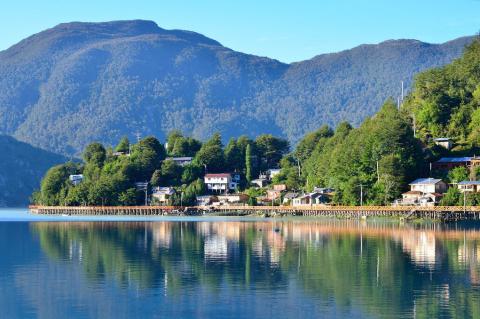
Nestled amidst the rugged beauty of Chile's southern Pacific coast lies Caleta Tortel, a quaint lumber town steeped in history and natural splendor. With its picturesque stilt houses, intricate wooden walkways, and stunning fjord landscapes, Caleta Tortel is a testament to the resilience and ingenuity of its inhabitants. Meanwhile, the surrounding Capitán Prat Province, named after the naval hero Arturo Prat, offers a vast expanse of untamed wilderness and pristine beauty, beckoning adventurers to explore its remote reaches.

Exploring Colonia del Sacramento: A Journey Through History and Architecture

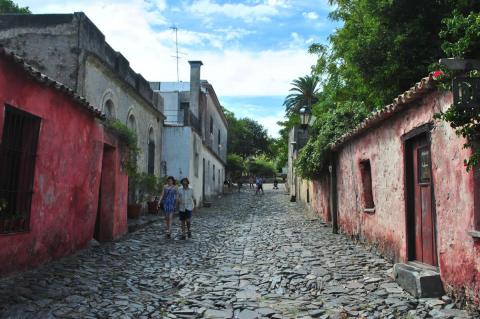
Colonia del Sacramento is a charming city that showcases Uruguay's rich historical tapestry. Established in 1680 by the Portuguese, it played a vital role in the colonial era as a strategic stronghold amid the territorial struggles between European powers in South America. Despite enduring sieges, battles and shifting allegiances, Colonia del Sacramento offers visitors a glimpse into the cultures and influences that have shaped Uruguay's identity over the centuries.

Exploring Cuenca: Ecuador's Cultural Gem in the Andean Highlands

Cuenca is a city in Ecuador's southern highlands known for its cultural richness and historical significance. It is the capital and largest city of the Azuay Province, located at an elevation of approximately 2,560 meters. The town is surrounded by the Andes Mountains and irrigated by four rivers: Tomebamba, Yanuncay, Tarqui, and Machangara. Over centuries, Cuenca's identity has been shaped by its profound connection with the natural environment.