Protected Areas in Central America

Piedras Blancas National Park: A Tropical Haven in Southern Costa Rica

Piedras Blancas National Park is a lush expanse of evergreen primary forest in the Puntarenas Province of southern Costa Rica. It is a vital sanctuary for indigenous plants and wildlife. Situated on the southern Pacific Coast near the town of La Gamba, Piedras Blancas National Park plays a crucial role in conserving Costa Rica's rich biodiversity. This park, part of a more significant ecological corridor, is integral to the environmental health of the Golfo Dulce region.

Poás Volcano National Park: A Landscape Shaped by Fire and Ice

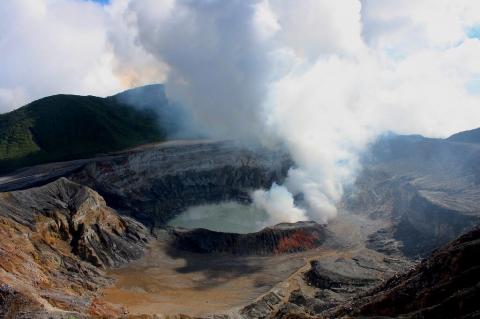
Rising dramatically from Costa Rica's central highlands, Poás Volcano is one of the country's most active and captivating volcanoes. Located within Poás Volcano National Park in Alajuela Province, this stratovolcano has a long history of eruptions, with over 40 recorded since 1828. Its volatile nature, exemplified by significant eruptions in 2017 and 2019, fascinates scientists and tourists. Poás Volcano's enormous crater, acidic lake, and surrounding cloud forests make it an essential site for geological and ecological study.

Rincón de la Vieja: Costa Rica's Volcanic Gem

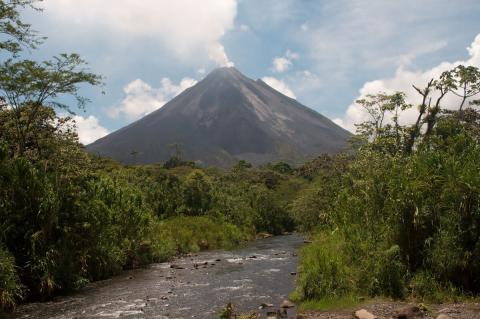
Nestled in the rugged northwestern corner of Costa Rica, the Rincón de la Vieja Volcano and its eponymous national park stand as a testament to the country's rich natural heritage and commitment to preserving the wonders of the natural world. With its striking summit, this active volcanic complex is a true gem that beckons adventurers, nature enthusiasts, and those seeking a deep connection with the Earth's raw power from around the world.

Río San Juan Biosphere Reserve: A Nexus of Biodiversity and Cultural Heritage

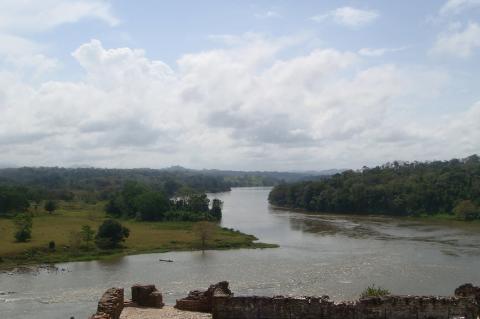
The Río San Juan Biosphere Reserve in Nicaragua is one of the most vital components of the Mesoamerican Biological Corridor. The expansive reserve, comprising seven protected areas and adjacent territories, is a cornerstone in global conservation. This ecologically diverse region is pivotal in preserving rare and endangered species in the Mesoamerican tropics while safeguarding a rich cultural heritage. The Biosphere Reserve is a natural refuge and a testament to the integration of Indigenous communities and biodiversity preservation.

San Marcos de Colón Biosphere Reserve: Where Nature and Culture Converge

Nestled in the Honduran department of Choluteca, the San Marcos de Colón Biosphere Reserve emerges as a captivating expanse that seamlessly blends ecological diversity with cultural richness. The unique climatic conditions, influenced by a history of agricultural deforestation and higher altitudes, create a temperate environment, fostering a mosaic of ecosystems.

Santa Rosa National Park: A Blending of History and Biodiversity

Santa Rosa National Park in Costa Rica protects endangered tropical dry forests. It features diverse habitats and is home to various species, such as monkeys, big cats, and sea turtles nesting on its beaches. The park honors the fallen heroes of the Battle of Santa Rosa with the "La Casona" monument and connects to Guanacaste National Park, forming a vital biological corridor.

Savegre Biosphere Reserve: A Tapestry of Biodiversity in Costa Rica's Pacific Heartland

Nestled within the verdant landscapes of Costa Rica's central Pacific coast, the Savegre Biosphere Reserve stands as a beacon of biodiversity. It is a vast expanse of protected lands that encompass a rich tapestry of ecosystems, from coastal mangroves to towering mountain peaks. This reserve is a true marvel of nature, representing the country's first and only protected area to incorporate a significant marine-coastal component, ensuring the preservation of this delicate interface between land and sea.

Sierra de las Minas: Guatemala's Ecological Treasure

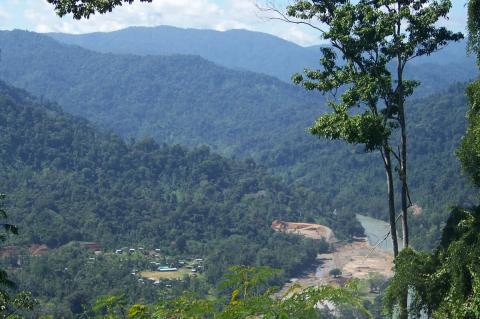
The Sierra de las Minas mountain range and Biosphere Reserve are among Guatemala's most ecologically and geographically significant areas. This range, extending across southeastern Guatemala, is renowned for its rugged terrain, unique ecosystems, and remarkable biodiversity. The region plays a critical role in preserving Guatemala's natural heritage, especially through its designation as a Biosphere Reserve, which safeguards vast expanses of tropical cloud forest and numerous endemic species.

Tapantí-Macizo de la Muerte National Park: A Verdant Sanctuary in Central Costa Rica

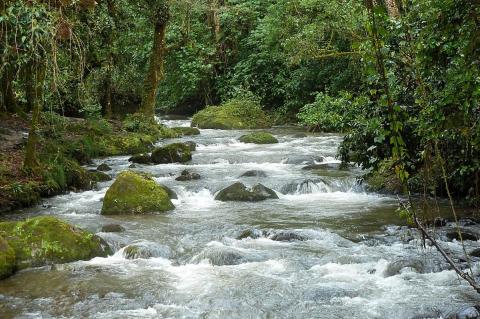
Nestled along the luxuriant northern slopes of the Cordillera de Talamanca in central Costa Rica, Tapantí-Macizo de la Muerte National Park is a testament to the region's rich biodiversity and stunning landscapes. Spanning an expansive area, the park extends its embrace into the neighboring western reaches of Panama, showcasing the ecological wealth of the Cordillera de Talamanca.

Tenorio Volcano National Park: A Haven for Wildlife and Volcanic Wonders

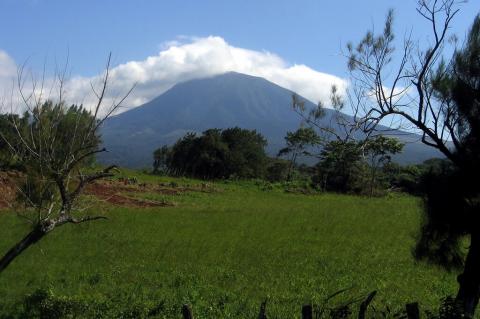
Tenorio Volcano is a striking natural landmark in Costa Rica's rugged Cordillera de Guanacaste. This towering volcano consists of four volcanic peaks and two craters, one of which is known as Montezuma Volcano. Tenorio symbolizes the geological and ecological richness of Costa Rica's volcanic landscapes. As the centerpiece of Tenorio Volcano National Park, this volcano and its surrounding area offer an array of natural wonders, from vibrant blue rivers to diverse ecosystems teeming with wildlife.