World Heritage Sites in South America

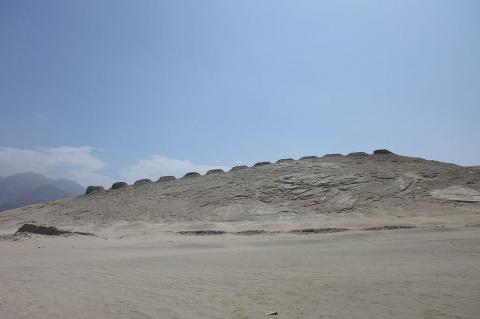
Exploring Chankillo: The Oldest Solar Observatory in the Americas

Nestled below the western slopes of the Andes in Peru's coastal desert, the Chankillo Archaeological Site offers a glimpse into the advanced astronomical knowledge and cultural practices of the ancient Casma/Sechin civilization. Located in the Ancash region, Chankillo is renowned for its architectural and astronomical significance. Designated as a UNESCO World Heritage Site, the Chankillo Archaeoastronomical Complex is a testament to pre-Columbian societies' ingenuity in tracking celestial events.

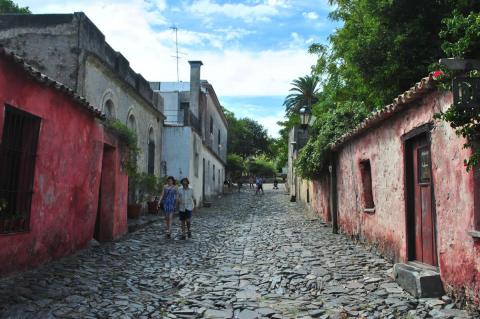
Exploring Colonia del Sacramento: A Journey Through History and Architecture

Colonia del Sacramento is a charming city that showcases Uruguay's rich historical tapestry. Established in 1680 by the Portuguese, it played a vital role in the colonial era as a strategic stronghold amid the territorial struggles between European powers in South America. Despite enduring sieges, battles and shifting allegiances, Colonia del Sacramento offers visitors a glimpse into the cultures and influences that have shaped Uruguay's identity over the centuries.

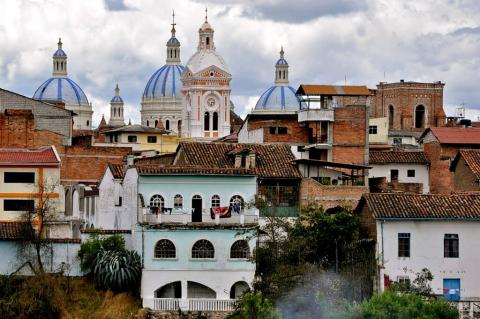
Exploring Cuenca: Ecuador's Cultural Gem in the Andean Highlands

Cuenca is a city in Ecuador's southern highlands known for its cultural richness and historical significance. It is the capital and largest city of the Azuay Province, located at an elevation of approximately 2,560 meters. The town is surrounded by the Andes Mountains and irrigated by four rivers: Tomebamba, Yanuncay, Tarqui, and Machangara. Over centuries, Cuenca's identity has been shaped by its profound connection with the natural environment.

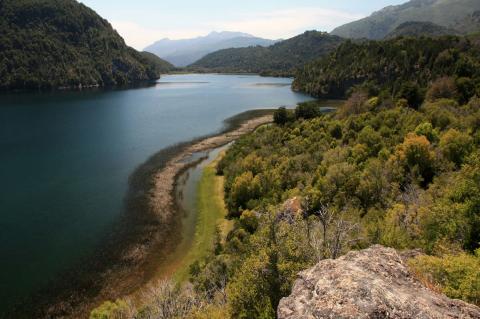
Exploring Los Alerces: Argentina's Pristine Wilderness

Nestled in the Andes Mountains of northern Patagonia, Argentina, Los Alerces National Park is a pristine natural sanctuary, a haven for diverse ecosystems, ancient forests, and a rich array of flora and fauna. The park's western boundary coincides with the Chilean border, adding to its geographical and ecological significance. Recognized as a UNESCO World Heritage Site, Los Alerces is a critical area for conservation and a testament to the natural beauty and biodiversity of the Patagonian region.

Exploring Rio de Janeiro: Between Mountains and Sea

Nestled along Brazil's southeastern coast, Rio de Janeiro, known as the "Cidade Maravilhosa" or Marvelous City, captivates with its stunning blend of natural wonders and vibrant urban life. Renowned for its breathtaking landscapes, rich cultural heritage, and iconic landmarks, Rio de Janeiro has earned international acclaim, including the prestigious UNESCO designation of "Carioca Landscapes Between the Mountain and the Sea."

Exploring the Monumental Legacy of Lima's Historic Center

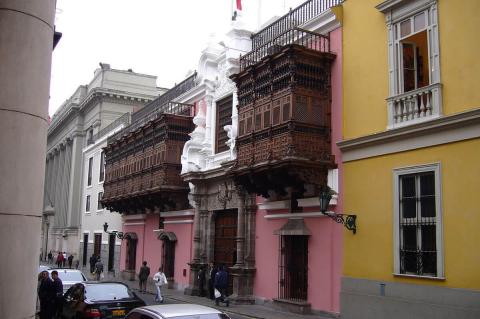
Nestled in the Rimac Valley, the Historic Center of Lima, originally christened 'Ciudad de Los Reyes' (City of the Kings), stands as a living testament to the city's rich colonial heritage and its pivotal role in the history of the New World. Founded by Spanish conqueror Francisco Pizarro in January 1535 on the territories once led by the Chiefdom of Rimac, this UNESCO World Heritage Site is a captivating tapestry woven with architectural masterpieces, religious grandeur, and a cultural legacy that has endured for centuries.

Fray Bentos: Where Industry, History, and Nature Converge

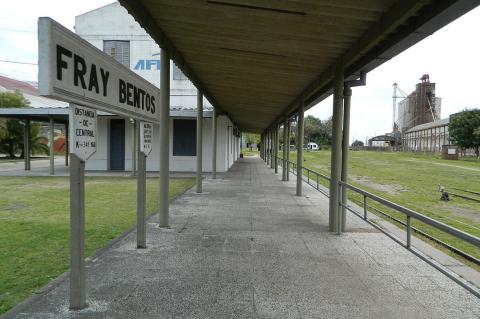
Located in the southwestern region of Uruguay, Fray Bentos, the capital of the Río Negro Department, is a city steeped in industrial heritage and cultural richness. Once a bustling hub of global meat production, Fray Bentos has evolved into a vibrant town that weaves together its industrial past with natural beauty and modern charm. Known for its meatpacking industry, Fray Bentos played a critical role in shaping Uruguay's economy and reputation on the global stage.

Goiás Velho: A Journey through Brazil's Colonial Legacy

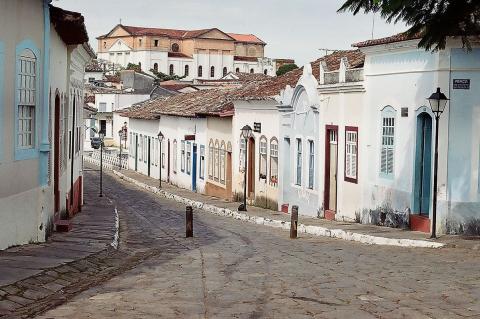
Nestled amidst Brazil's rolling hills and lush greenery lies the picturesque and captivating town of Goiás. With its stunning, well-preserved colonial architecture and quaint cobblestone streets, this charming town paints a vivid picture of a bygone era. As the capital of the state of Goiás, Goiás Velho exudes an air of cultural significance, proudly showcasing the unique blend of traditions and customs that have shaped Brazil's history.

Guardians of the Amazon: The Central Amazon Conservation Complex

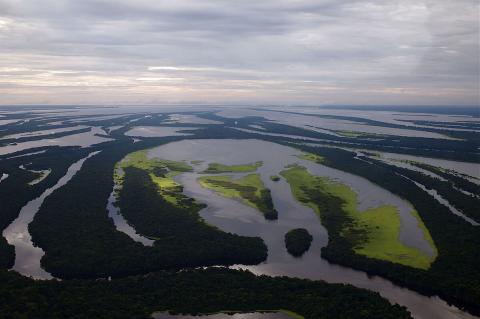
The Central Amazon Conservation Complex is one of Earth's largest and most biologically diverse protected areas. It is located in the heart of the Amazon Basin, west-northwest of Manaus, Brazil; the complex forms the core of the Central Amazon Ecological Corridor. This vast area encompasses some of the most critical ecosystems in Amazonia, representing a wide array of flora and fauna, including numerous endangered and endemic species. This UNESCO World Heritage Site is essential in preserving the ecological integrity of the world's largest tropical rainforest.

Guardians of the Guiana Shield: The Central Suriname Nature Reserve

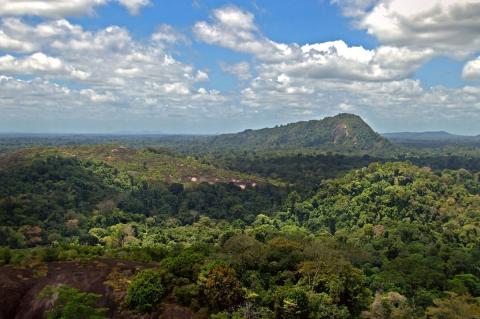
The Central Suriname Nature Reserve is a pristine expanse of tropical wilderness in west-central Suriname, representing one of the largest protected areas in the world. This vast reserve links three preexisting nature reserves—Raleighvallen, Eilerts de Haan, and Tafelberg—creating an ecological sanctuary of immense significance. Covering approximately eleven percent of Suriname's national territory, the Central Suriname Nature Reserve is a haven for biodiversity and a living testament to the region's rich natural and cultural heritage.