World Heritage Sites in South America

Quito's Historic Center: A Cultural Crossroads in the Andes

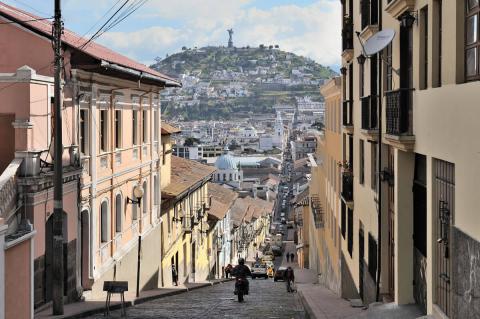
The Historic Center of Quito, Ecuador, represents a profound blend of history, culture, and architectural marvels. Designated as a UNESCO World Heritage Site, this remarkable area showcases the convergence of indigenous traditions, Spanish colonial influence, and modern developments. It remains a vibrant testimony to centuries of cultural and historical evolution, offering visitors a glimpse into Quito's rich and dynamic past.
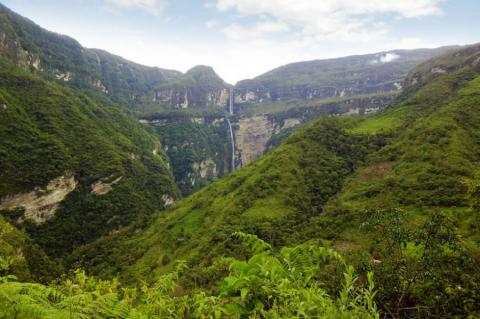
Río Abiseo National Park: A Peruvian Wonder of Nature and Culture

Nestled in the San Martín department of Peru, on the eastern slope of the tropical Peruvian Andes, lies Río Abiseo National Park, a World Heritage Site that seamlessly blends natural and cultural wonders. This unique protected area not only harbors a rich tapestry of biodiversity but also serves as a testament to the ancient civilizations that once thrived within its boundaries.

Salvador de Bahia: From Colonial Capital to Cultural Beacon

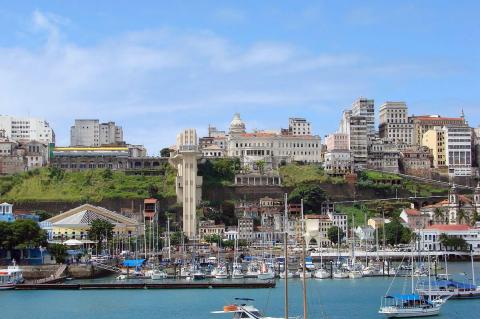
Salvador de Bahia, officially known as São Salvador da Bahia de Todos os Santos, is the capital of the Brazilian state of Bahia. Renowned for its rich cultural heritage, vibrant music, dance, and distinctive cuisine, Salvador is a testament to Brazil's dynamic history. Founded in 1549 as the first capital of Brazil, the city's significance is beautifully encapsulated in its Historic Center, known as Pelourinho, a UNESCO World Heritage site.

San Agustín Archaeological Park: Gateway to Ancient Marvels in Colombia

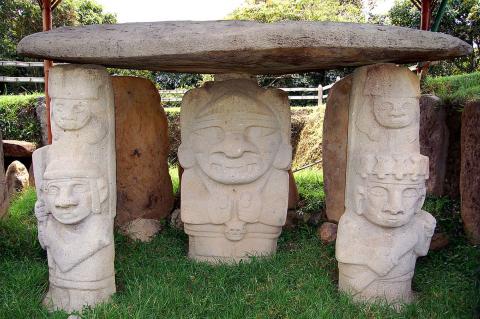
The San Agustín Archaeological Park is located near the town of San Agustín in the Huila Department of Colombia. It represents the cultural and artistic achievements of a civilization that existed from the 1st to the 8th century in the northern Andean region. The park consists of three separate properties known as San Agustín, Alto de los Ídolos, and Alto de Las Piedras. It is home to South America's most extensive collection of religious monuments and megalithic sculptures.

Sangay National Park: Ecuador's Volcanic Wonderland

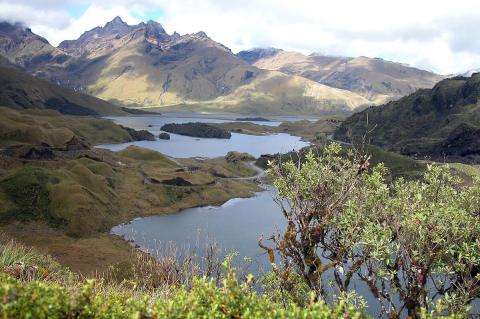
Deep within the heart of Ecuador's Andean region lies a natural wonder of epic proportions—Sangay National Park—this World Heritage Site epitomes Ecuador's extraordinary biodiversity and geological marvels. Encompassing two active volcanoes, Tungurahua and Sangay, as well as the extinct El Altar (Kapak Urku), this park covers the entire spectrum of Ecuador's ecosystems, from glacial peaks to lush rainforests, all under the watchful gaze of one of the world's most active volcanic giants.

Santa Cruz de Mompox: Colombia's Colonial Jewel

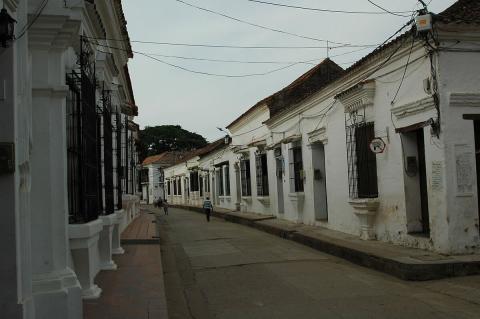
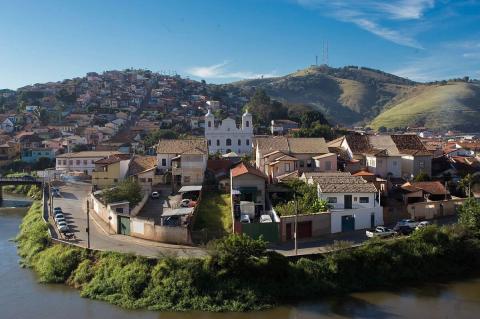
Nestled along the banks of the Magdalena River in northern Colombia, the Historic Center of Santa Cruz de Mompox emerges as a cultural gem, frozen in time and exuding the charm of colonial heritage. This UNESCO site is a testament to Mompox's historical significance, architectural brilliance, and role in shaping Colombia's cultural landscape. The town's rich history, picturesque streets, and vibrant traditions offer a unique glimpse into the past, preserving the essence of colonial Colombia.

São Cristóvão: A Colonial Masterpiece in Brazil's Northeast

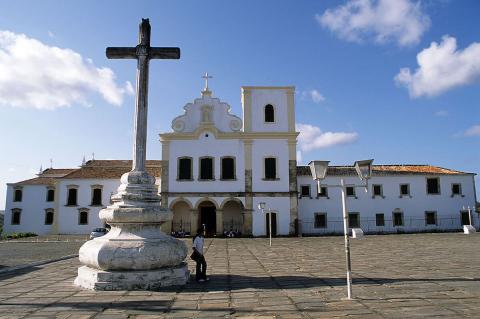
São Cristóvão, located in the northeastern state of Sergipe, Brazil, is one of the oldest colonial settlements in the country and holds a special place in Brazil's colonial history. The town is best known for São Francisco Square, which reflects a unique blend of Spanish and Portuguese colonial city planning and architecture. São Cristóvão's historical significance is further enriched by its collection of early colonial buildings, including churches, convents, and civil structures, which demonstrate the cultural and architectural evolution of the region.

São Luís: An Enchanting Portal to Brazil's Colonial Grandeur

Nestled along the captivating Atlantic coast of northeastern Brazil, the city of São Luís stands as an enchanting portal that transports visitors back in time, unveiling the nation's rich colonial heritage and cultural tapestry. Its historic center boasts a remarkable blend of architectural treasures, vibrant traditions, and a storied past, offering an unparalleled glimpse into the very essence of Brazil's historical grandeur.

Serra da Capivara: Brazil's Archaeological and Natural Treasure

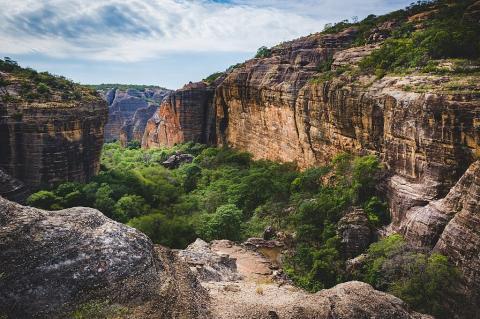
The Serra da Capivara National Park is situated in the northeastern state of Piauí, Brazil. This park is a fascinating mix of geological marvels, archaeological importance, and exceptional biodiversity. Its main objective is safeguarding its prehistoric artifacts and rock paintings, some dating back thousands of years. Recognized as a UNESCO World Heritage Site, the Serra da Capivara is evidence of ancient human creativity and a refuge for the varied flora and fauna of the Caatinga.

Sewell: The City of Stairs - A Legacy Carved into the Andes

Perched high in the Chilean Andes, Sewell is a testament to human ingenuity and the pioneering spirit of the early 20th century. This abandoned mining town, clinging precariously to steep mountain slopes, tells a compelling story of industrial ambition, community life, and architectural innovation. Known as "The City of Stairs," Sewell's unique vertical layout and rich history have earned it recognition as a UNESCO World Heritage Site, preserving its legacy for future generations.