World Heritage Sites in South America

Sucre: Bolivia's Jewel of Colonial Grandeur and Architectural Fusion

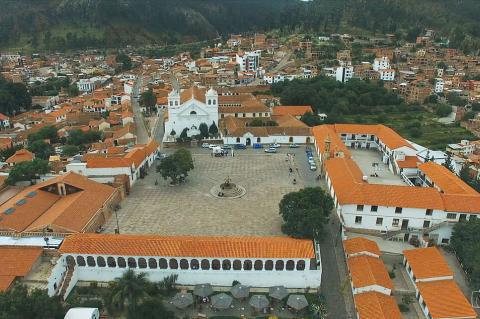
Nestled in the heart of Bolivia's south-central region, Sucre stands as a living testament to the country's rich colonial heritage and the harmonious fusion of indigenous and European architectural styles. Founded in 1538 by Spanish settlers, this historic city has undergone a remarkable transformation from its humble beginnings on the lands of the Yampara indigenous culture to its current status as Bolivia's constitutional capital and a UNESCO World Heritage Site.

The Cerrado Protected Areas: Preserving the Biodiversity Jewel of Brazil

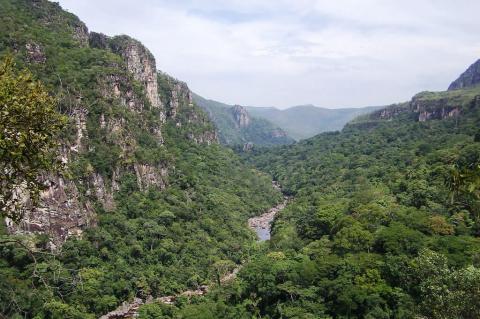
Nestled within Brazil's Central-West region lies an ecological treasure of global significance: the Cerrado Protected Areas, a UNESCO Site encompassing Chapada dos Veadeiros and Emas National Parks. These complementary protected areas safeguard the world's oldest and most biodiverse tropical savanna, representing humanity's most important stronghold for preserving the remarkable evolutionary heritage of the Cerrado biome. Located on Brazil's ancient central plateau, these parks preserve contrasting landscapes that together showcase the full spectrum of Cerrado biodiversity.

The Churches of Chiloé: Enduring Sanctuaries of Faith, Culture, and Architectural Ingenuity

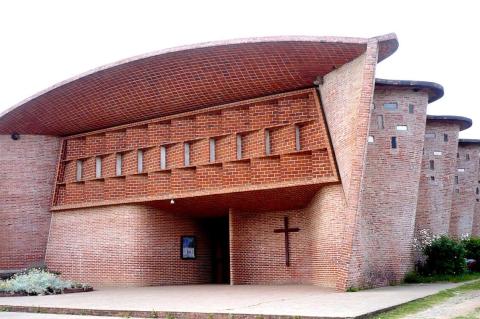
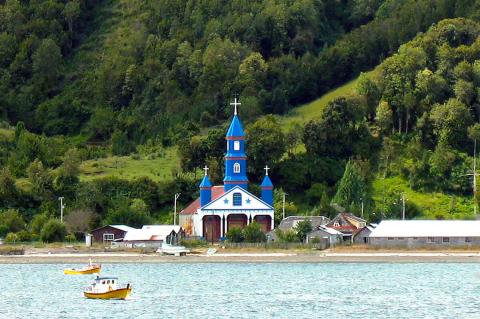
Amidst the breathtaking natural splendor of the Chiloé Archipelago, a remarkable ensemble of churches stands as a testament to the harmonious fusion of Indigenous traditions and Spanish colonial influences. The Churches of Chiloé, numbering around 70 structures scattered across the islands, are more than mere religious edifices; they are living embodiments of the region's rich cultural heritage, architectural ingenuity, and unwavering faith – a fusion of spirituality and artistic expression that has endured for centuries.

The Coffee Cultural Landscape of Colombia: A Living Heritage

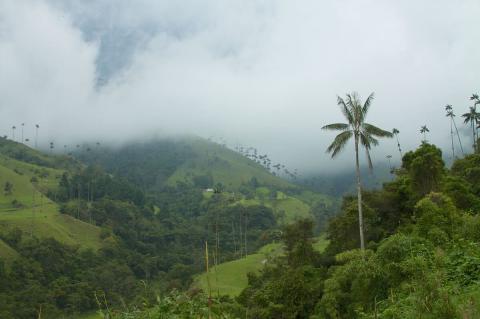
The Coffee Cultural Landscape of Colombia is an exceptional and dynamic region that epitomizes the blend of natural beauty, economic vitality, and cultural richness. Recognized as a World Heritage property, this landscape comprises six farming landscapes that integrate eighteen urban settlements, showcasing the intricate relationship between humans and their environment in the cultivation of coffee.

The Enigmatic and Ancient Chinchorro Culture of Chile

Nestled along the arid coastal regions of northern Chile, the Archaeological Sites of the Chinchorro Culture stand as a testament to one of the oldest and most remarkable pre-Columbian civilizations in the Americas. This unique culture, which thrived for over 5,000 years, has left an indelible mark on the region's rich archaeological heritage, shedding light on the resilience and ingenuity of the human spirit.

The Galápagos Archipelago: Conservation, Challenges, and Evolutionary Marvels

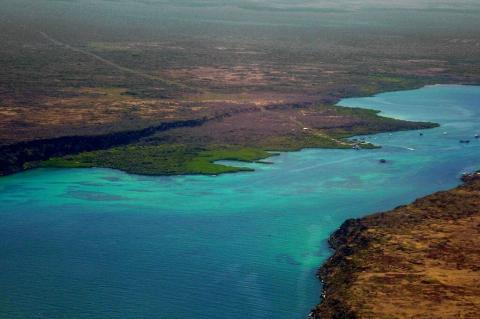
The Archipiélago de Colón, more widely known as the Galápagos Islands, is an archipelago located in the Pacific Ocean west of the coast of Ecuador, the nation to which the islands belong. These islands are renowned for their unique biodiversity and pivotal role in developing the theory of evolution by natural selection, proposed by Charles Darwin. The islands, encompassing the Galápagos Province, the Galápagos National Park, and the Galápagos Marine Reserve, represent one of the planet's most important and unique ecological areas.

The Jesuit Block and Estancias of Córdoba: A Testament to Cultural Exchange

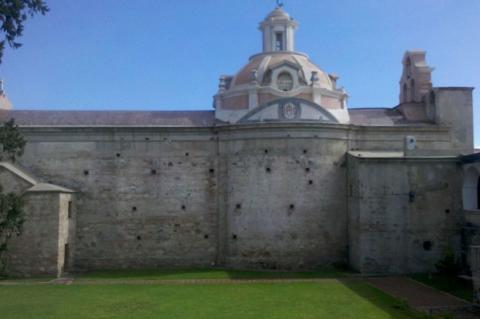
The Jesuit Block and Estancias of Córdoba stand as a powerful testament to the enduring influence of Jesuit missionaries in shaping South America's cultural, religious, and economic landscape. A UNESCO World Heritage Site, this remarkable ensemble transcends its architectural and historical significance. It embodies a vast religious, political, economic, legal, and cultural system, leaving an indelible mark on the region's development.

The Living Heritage of Cusco: A Journey Through Time in Peru's Sacred Valley

Perched high in the Andes within Peru's Sacred Valley, Cusco exemplifies a living cultural heritage where ancient Inca stonework seamlessly integrates with Spanish colonial architecture. Once the heart of Tawantinsuyu, this UNESCO World Heritage city serves as a gateway to Machu Picchu for millions of annual visitors while maintaining vibrant indigenous traditions. From the legendary Qoricancha temple to bustling markets where Quechua-speaking vendors sell traditional textiles, Cusco reveals a place where the boundaries between past and present dissolve into extraordinary harmony.

The Majesty of Ice: Exploring the Perito Moreno Glacier and Los Glaciares National Park

In the remote expanse of Argentine Patagonia, an extraordinary natural spectacle unfolds at the Perito Moreno Glacier, one of the most iconic landmarks of Argentina's Los Glaciares National Park. The glacier, known for its dramatic size, captivating beauty, and regular ruptures, symbolizes the region's glacial power and is a significant tourist destination. Located near the town of El Calafate, this massive ice formation is part of the Southern Patagonian Ice Field, one of the world's largest freshwater reserves.

The Modernist Legacy of the University City of Caracas

The University City of Caracas is the main campus of the Central University of Venezuela, located in the heart of Caracas, the nation's capital. Designed by the renowned Venezuelan architect Carlos Raúl Villanueva, the campus is celebrated as one of Latin America's most outstanding examples of modernist architecture and urban planning. Recognized as a UNESCO site, it is considered Villanueva's crowning achievement, fusing architecture, art, and landscape into a coherent urban masterpiece.