World Heritage Sites in South America

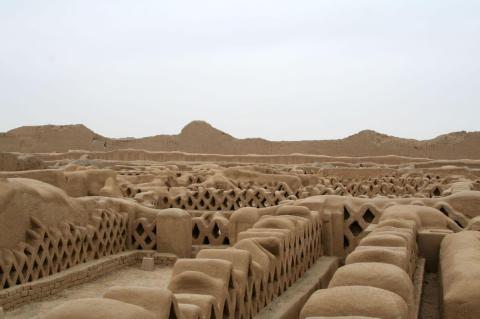
Chan Chan: The Ancient Citadel of the Chimu Empire

On the northern coast of Peru, in the Moche Valley, lies the sprawling adobe city of Chan Chan. Once the capital of the Chimu Empire, Chan Chan is a testament to the architectural prowess and cultural ingenuity of one of the most influential civilizations in pre-Columbian America. Chan Chan was the largest adobe city in the Americas and a major center of power on the northern Peruvian coast for centuries. Recognizing its historical importance, UNESCO declared Chan Chan a World Heritage Site.
Chavín de Huántar: A Sacred Center of Early Andean Civilization

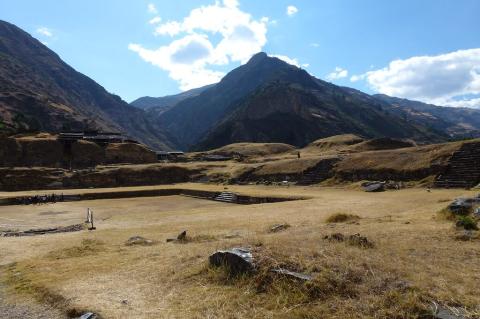
Chavín de Huántar, an archaeological site in the Ancash Region of Peru, is one of South America's most significant pre-Columbian cultural centers. Nestled above the Conchucos Valley, east of the Cordillera Blanca, this ancient site played a pivotal role in early Andean civilizations' religious and cultural life. Recognized as a UNESCO World Heritage Site, Chavín de Huántar showcases a unique combination of ceremonial, architectural, and artistic achievements from one of the earliest complex societies in the Americas.

Chiquitos Missions: A Legacy of Cultural Fusion

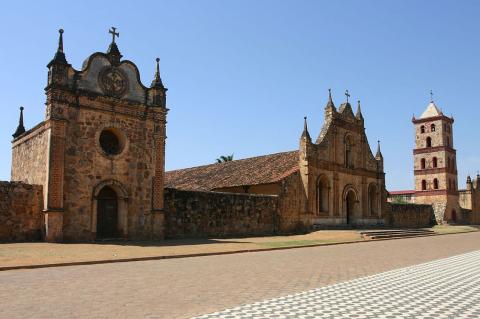
The Jesuit Missions of the Chiquitos in the Santa Cruz Department of eastern Bolivia are remarkable testaments to a unique cultural fusion. The Jesuits established these missions in the late 17th and 18th centuries with the primary goal of converting the local Chiquitano tribes to Christianity. Blending European and Amerindian influences, they represent a religious and artistic legacy that continues to resonate through their surviving architecture and cultural heritage.

Chiribiquete: Where Ancient Stone Embraces a National Sanctuary

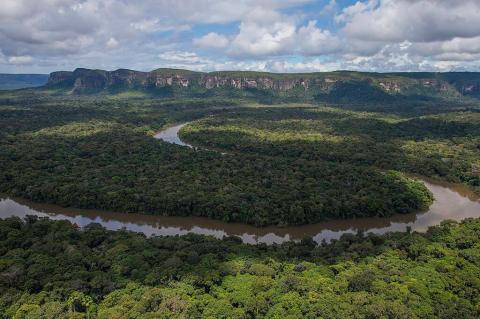
Rising from the Colombian Amazon, the Serranía de Chiribiquete is a breathtaking sandstone plateau, sculpted by nature over millions of years. This rugged mountain range forms the core of Chiribiquete National Natural Park, a protected area of immense ecological and cultural significance. The park is intrinsically linked to the serranía, serving as a vital sanctuary for its unparalleled biodiversity and remarkable archaeological secrets etched onto its rock faces.

Congonhas: Baroque Jewel of Minas Gerais

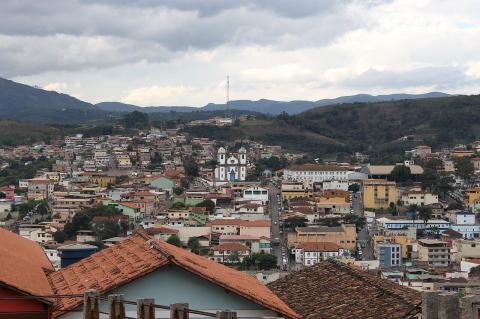
Perched atop the Morro do Maranhão bluff in the heart of Brazil's mining country, Congonhas stands as a testament to the wealth and artistry of the colonial gold rush era. This historic city in southeastern Minas Gerais seamlessly blends its baroque heritage with modern Brazilian life. Home to approximately 55,000 residents, Congonhas remains both a pilgrimage destination for millions of Catholics and a living museum of 18th-century Brazilian art and architecture.

Coro and La Vela: Venezuela's Colonial Heritage

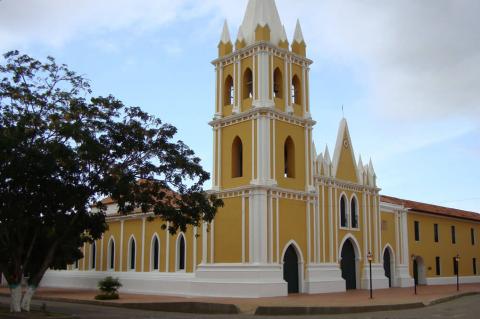
Coro, also known as Santa Ana de Coro, is a historic colonial port city in Venezuela, founded on July 26, 1527, by Juan de Ampíes. It is famous for its well-preserved colonial architecture and historical significance, being the first South American town to achieve independence from Spain. Designated a UNESCO World Heritage Site in 1993, Coro is a testament to the enduring legacy of Spanish colonization and the blending of various architectural styles and local traditions.

Defenders of the Caribbean: The Fortifications of Portobelo-San Lorenzo

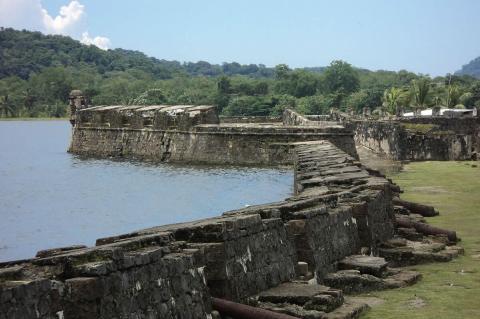
Situated along the picturesque coast of the Colón Province in Panama, the Fortifications of Portobelo-San Lorenzo are enduring symbols of Spanish colonial military engineering. These fortifications were designed to protect the lucrative transatlantic trade routes that connected the New World to Spain. Recognized as a UNESCO site, these fortifications represent a key chapter in the history of global commerce and military architecture, standing as silent witnesses to a bygone era of colonial expansion and strategic defense.

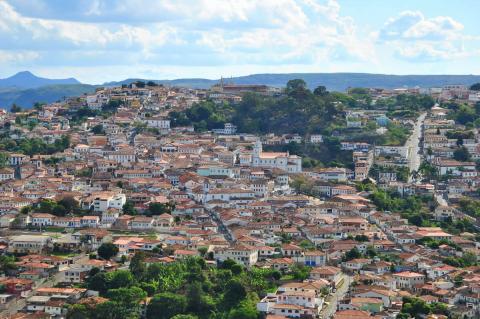
Diamantina: Diamond Capital of Colonial Brazil

High in the arid mountains of the Serra do Espinhaço, the historic city of Diamantina stands as a testament to the diamond fever that gripped colonial Brazil in the 18th century. Originally known as Arraial do Tijuco, this remote settlement in northern Minas Gerais became the world's premier diamond-mining center, with its wealth transforming a rough mining camp into an elegant colonial city adorned with baroque churches and grand mansions. Today, Diamantina preserves its colonial character so completely that UNESCO designated its historic center a World Heritage Site

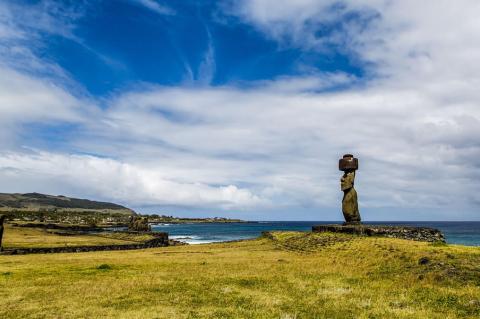
Easter Island: Unveiling the Mysteries of Rapa Nui

Easter Island, known locally as Rapa Nui, is remote and enigmatic in the southeastern Pacific Ocean. This Chilean territory, famous for its colossal stone statues called moai, offers a fascinating glimpse into Polynesian culture and human ingenuity. The island's rich archaeological heritage and unique ecosystem make it a site of immense cultural and scientific importance, recognized globally through its designation as a UNESCO World Heritage Site.

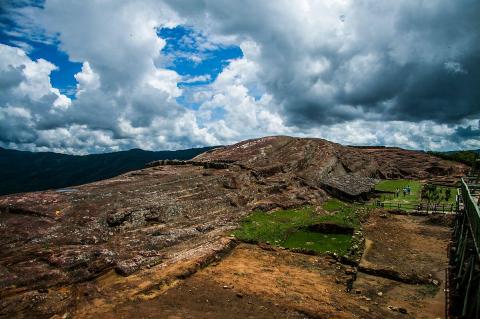
El Fuerte de Samaipata: Bolivia's Cultural Crossroads

El Fuerte de Samaipata, located in the Bolivian Province of Florida in the Department of Santa Cruz, is a remarkable pre-Columbian archaeological and UNESCO World Heritage Site. Nestled in the eastern foothills of the Bolivian Andes, this site uniquely encapsulates the cultural imprints of the Chanè, Inca, and Spanish civilizations. Its historical significance and architectural marvels make it a fascinating destination for archaeologists, historians, and tourists.