World Heritage Sites in South America

Machu Picchu: Where Stone Dreams Meet Cloud Forest Mysteries

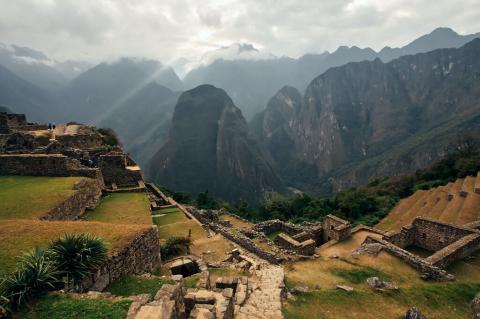
High above the Urubamba Valley, where Andean peaks pierce clouds and ancient mists whisper of forgotten ceremonies, stands Machu Picchu—perhaps the most enigmatic human achievement. This stone citadel seems to float between Earth and sky, its granite walls rising naturally from the mountain ridge like a formation shaped by divine hands rather than human tools. From its precisely engineered terraces to its role as guardian of numerous species, Machu Picchu is a masterpiece where human ingenuity harmonized with Earth's biodiversity.
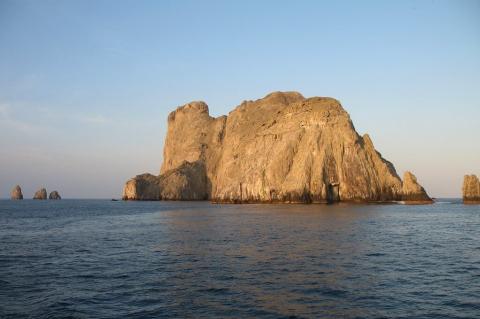
Malpelo Island: A Marine Sanctuary of Biodiversity

Malpelo Island and the Malpelo Fauna and Flora Sanctuary are remarkable natural treasures located off the coast of Colombia in the Pacific Ocean. Malpelo Island is a critical biodiversity hotspot, supporting unique marine and terrestrial life despite its small size. The surrounding sanctuary, a vast marine protected area, is recognized globally for its pristine ecosystems and rich biodiversity.

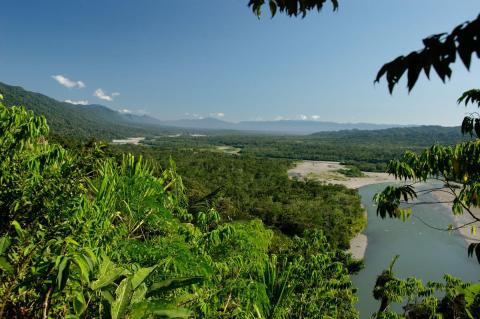
Manú National Park: Where the Andes Meet the Amazon

Manú National Park, located deep within Peru, where the mighty Andes transition into the lush Amazon Rainforest, is one of the planet's most remarkable wild regions. Its protected expanse stretches from snow-capped mountains to steamy lowland jungles, creating a sanctuary for an astonishing diversity of life—surpassing nearly every other place on Earth. This vast reserve not only conserves thriving wildlife but also safeguards Indigenous peoples who have lived in harmony with these forests for thousands of years.

Modernism in La Plata: The Legacy of Curutchet House

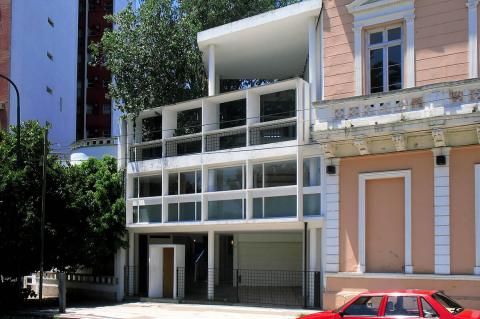
In the heart of La Plata, Argentina, stands a testament to architectural innovation and visionary design: the Curutchet House. This remarkable structure embodies the revolutionary principles of the Modern Movement and showcases the genius of its creator, Le Corbusier. As one of the 17 sites across seven countries recognized by UNESCO as part of "The Architectural Work of Le Corbusier," the Curutchet House is distinguished in the pantheon of 20th-century architecture.

Noel Kempff Mercado National Park: Bolivia's Natural Treasure

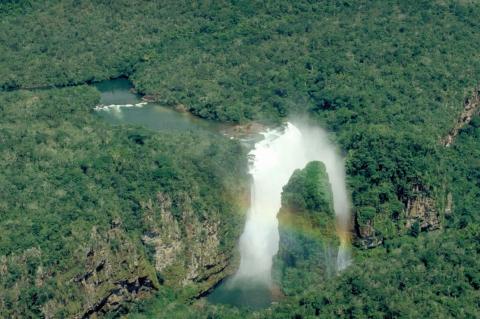
Noel Kempff Mercado National Park, located in the Santa Cruz Department of northeastern Bolivia, is one of the most pristine and expansive protected areas in the Amazon Basin. It is a unique ecological treasure at the confluence of the Amazon rainforest and the Chiquitano dry forests. This remarkable park, recognized as a UNESCO World Heritage Site, offers a glimpse into an evolutionary history that spans over a billion years and boasts an astonishing diversity of flora and fauna.

Olinda: A Timeless Treasure of Colonial Brazil

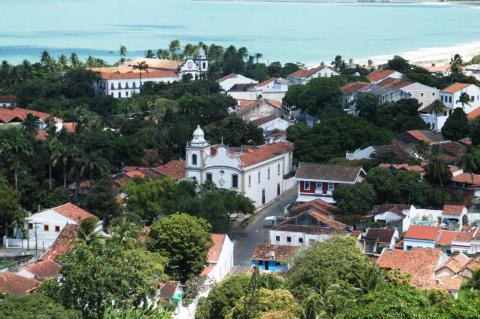
Olinda, a historic town in northeastern Pernambuco, Brazil, captivates visitors with its rich cultural heritage and stunning colonial architecture. Perched on a hill overlooking the Atlantic coast, just a few kilometers north of Recife, Olinda is a treasure trove of history and culture, recognized as a UNESCO World Heritage site. Exploring Olinda reveals its historical significance, architectural marvels, and contemporary cultural landscape

Pampulha Modern Ensemble: Masterpiece of Brazilian Modernism

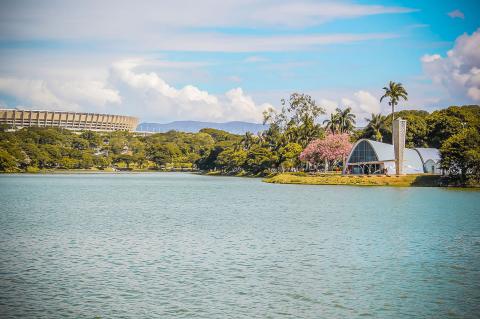
Encircling an artificial lake in Belo Horizonte, the Pampulha Modern Ensemble stands as one of the 20th century's most influential architectural achievements. Created in 1940, this cultural and leisure complex represents a pivotal moment when modernist architecture broke free from rigid European orthodoxy to embrace the curves, colors, and climate of Brazil. Through the work of architect Oscar Niemeyer, landscape designer Roberto Burle Marx, and a collaborative team of innovative artists, Pampulha pioneered an organic modernism that would echo throughout Latin America and beyond.

Pantanal Conservation Area: A Sanctuary for Brazil’s Wildlife and Wetlands

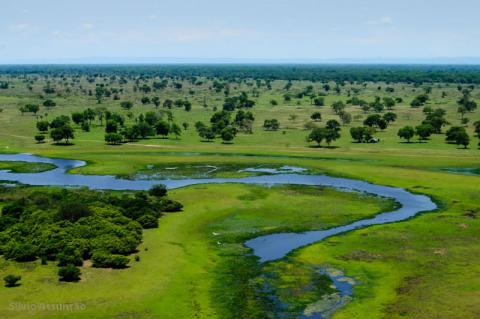
In the heart of centralwestern Brazil lies one of the most biodiverse and awe-inspiring ecosystems on Earth: the Pantanal Conservation Area. It forms part of the vast Pantanal, the world's largest tropical wetland, shared across Brazil, Bolivia, and Paraguay. Designated as a UNESCO site, the Pantanal Conservation Area comprises a protected region network, including the Pantanal Matogrossense National Park and the Special Reserves of Acurizal, Penha, and Doroché. This unique area hosts an astonishing range of wildlife and is critical in ecological processes that sustain life in the wetlands.

Patagonia's Hidden Treasure: The Ancient Art of Cueva de las Manos

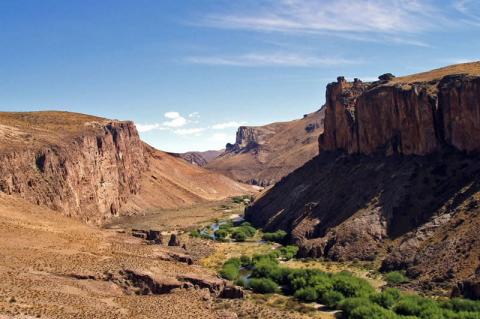
In the rugged landscape of Patagonia lies one of the world's most captivating archaeological treasures: the Cueva de las Manos, or Cave of Hands. Renowned for its striking prehistoric rock art, this site offers a rare glimpse into the lives and artistic expressions of the ancient peoples who once roamed the region. Designated as a World Heritage Site, this remote cave is a testament to early humans' creativity, beliefs, and traditions, preserved on its rock walls for millennia.

Preservation of Biodiversity: Brazil's Discovery Coast Atlantic Forest Reserves

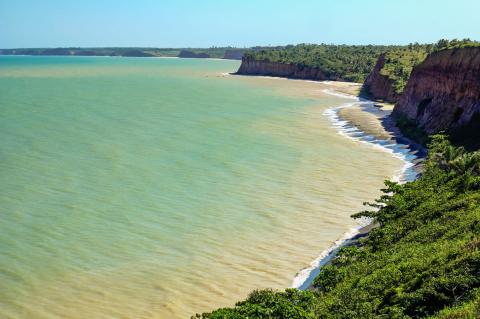
The Discovery Coast Atlantic Forest Reserves in northeastern Brazil exhibit a stunning variety of ecosystems, showcasing the Atlantic Forest biome's evolutionary history and ecological processes. The landscape is characterized by coastal tablelands, sandy beaches, sea cliffs, lagoons, and coral reefs, creating a habitat for a diverse range of flora and fauna. The region boasts an exceptional botanical diversity and is particularly rich in tree species.