World Heritage Tentative List

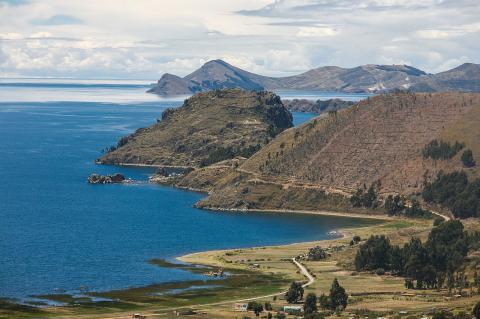
Lake Titicaca: Ancient Waters of the Andes

Lake Titicaca is one of the highest navigable lakes in the world. It is situated at the northern end of the Altiplano basin, on the border of Peru and Bolivia in the Andes Mountains. With a history dating back millions of years, Lake Titicaca is the largest lake in South America by volume and holds great cultural and ecological significance. The lake has always been an integral part of indigenous cultures and provides a habitat for a wide range of biodiversity, including over 530 aquatic species.

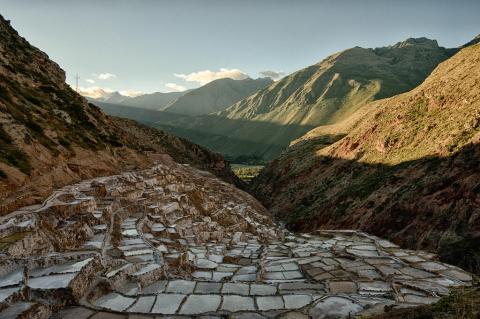
Maras: A Hidden Gem of the Sacred Valley of the Incas

Nestled in the heart of the Sacred Valley of the Incas, the town of Maras stands as a testament to Peru's rich cultural heritage and natural wonders of Peru. This quaint village, located approximately 45 km (28 mi) north of Cusco, has captured the hearts of visitors with its picturesque streets, colonial architecture, and the remarkable Salineras de Maras—a salt mining marvel dating back to pre-Incan times.

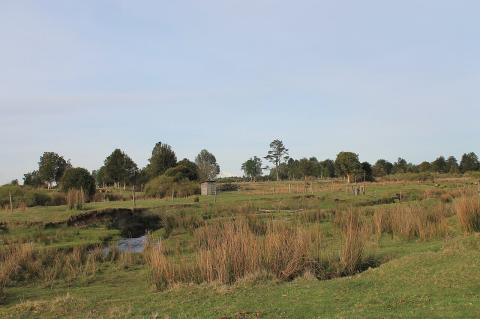
Monte Verde: Rewriting the Story of America's First People

On the banks of Chinchihuapi Creek in southern Chile lies one of the most significant archaeological sites in the Americas. Monte Verde, a Paleolithic settlement preserved beneath a peat bog, fundamentally challenged long-held beliefs about when and how humans first reached the New World. Discovered in 1975, this remarkably well-preserved site revealed evidence of human occupation at the southern tip of South America at least 1,000 years before the previously accepted date for human arrival in the Americas.

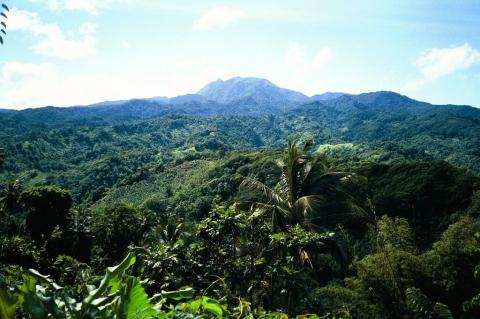
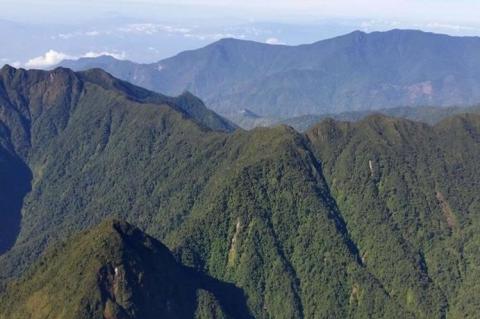
Morne Diablotin: Guardian of Dominica's Biodiversity

Nestled within the verdant heart of Dominica, Morne Diablotin stands as a towering testament to the island's rich natural heritage. Crowned with mist-shrouded peaks and draped in lush tropical rainforest, this majestic mountain and its surrounding national park harbor an extraordinary array of flora and fauna found nowhere else on Earth. Morne Diablotin National Park is a sanctuary of unparalleled biodiversity and ecological significance.

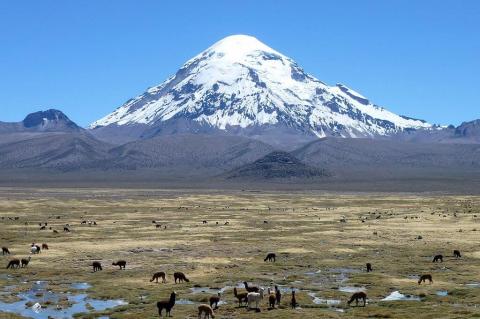
Nevado Sajama: Bolivia's Crown Jewel of the Andes

Nestled in Bolivia's remote highlands, Nevado Sajama is the country's tallest peak. This dormant stratovolcano, part of the Cordillera Occidental volcanic chain, is a natural marvel that marks Bolivia's western border. Beyond its impressive stature, Nevado Sajama serves as the centerpiece of Sajama National Park. This region harmoniously blends breathtaking Andean landscapes, unique high-altitude ecosystems, and the enduring cultural heritage of the Aymara people.

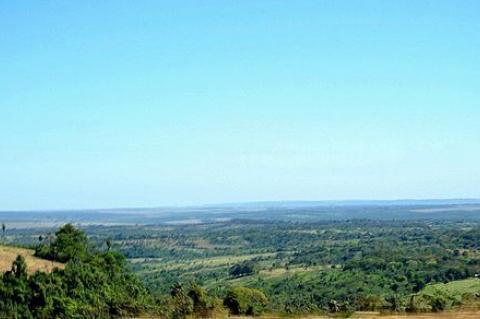
Safeguarding Paraguay’s Natural Heritage: The Bosque Mbaracayú Biosphere Reserve

Spanning northeastern Paraguay, the Bosque Mbaracayú Biosphere Reserve is a vital stronghold for biodiversity and sustainable development. Located in the upper Jejuí River basin near the Brazilian border, this UNESCO-designated reserve protects a mosaic of ecosystems, including the endangered Upper Paraná Atlantic Forest, Chaco savannahs, and dry forests. At the heart of this biosphere reserve lies the Mbaracayú Forest Natural Reserve, a pristine area that safeguards one of the last remnants of Paraguay's Atlantic Forest.

Sierra de las Minas: Guatemala's Ecological Treasure

The Sierra de las Minas mountain range and Biosphere Reserve are among Guatemala's most ecologically and geographically significant areas. This range, extending across southeastern Guatemala, is renowned for its rugged terrain, unique ecosystems, and remarkable biodiversity. The region plays a critical role in preserving Guatemala's natural heritage, especially through its designation as a Biosphere Reserve, which safeguards vast expanses of tropical cloud forest and numerous endemic species.

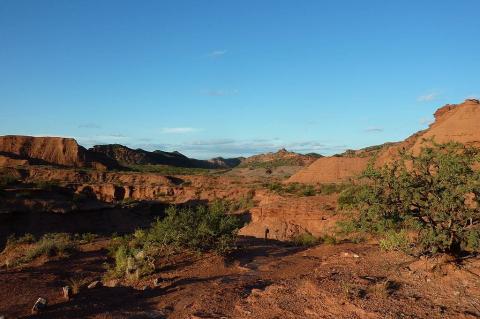
Sierra de las Quijadas National Park: Preserving the Chaco-Monte Ecotone

Nestled in the heart of Argentina's San Luis province, the Sierra de las Quijadas National Park is a unique and ecologically significant protected area. Established to safeguard the natural features of the Semiarid Chaco and Argentine Low Monte ecoregions, this park represents a critical transitional zone between these two distinct biomes, offering a remarkable diversity of plant and animal life.

The Chicamocha Canyon and National Park: Colombia's Natural Wonder

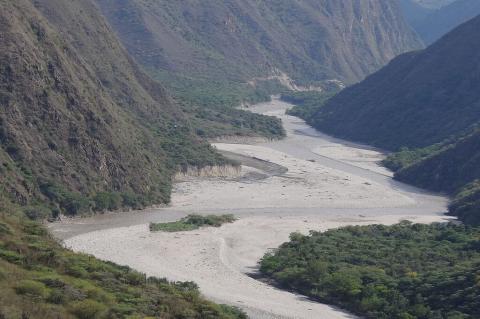
Nestled within the rugged Andes Mountains of northern Colombia, the Chicamocha Canyon is a testament to nature's awe-inspiring power and beauty. This colossal geological wonder, carved over eons by the relentless forces of the Chicamocha River, is among the largest canyons in the world. Encompassing a vast area, the canyon's immense depths reveal a breathtaking landscape of towering cliffs, winding rivers, and diverse ecosystems. Chicamocha National Park lies within the canyon.

The Petenes Mangrove Ecoregion: A Unique Wetland Ecosystem

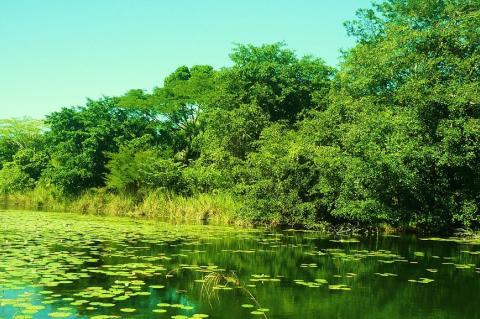
Mangrove ecosystems are among Earth's most productive and biologically diverse habitats, providing vital ecological services and supporting a rich array of plant and animal life. The Petenes mangrove ecoregion in the western Yucatán Peninsula of Mexico is a unique and extraordinary example of these coastal wetlands. The Petenes mangroves are a biodiversity hotspot, harboring endemic and migratory species.