
Where the Tropics Embrace the Coast: Exploring Colombia's Caribbean Natural Region
Colombia's Caribbean Natural Region stretches from the Gulf of Urabá in the west to the Guajira Peninsula in the east, where tropical warmth meets the azure Caribbean Sea. This region, known for its distinct climate, ecosystems, history, and culture, plays a significant role in Colombia's narrative.
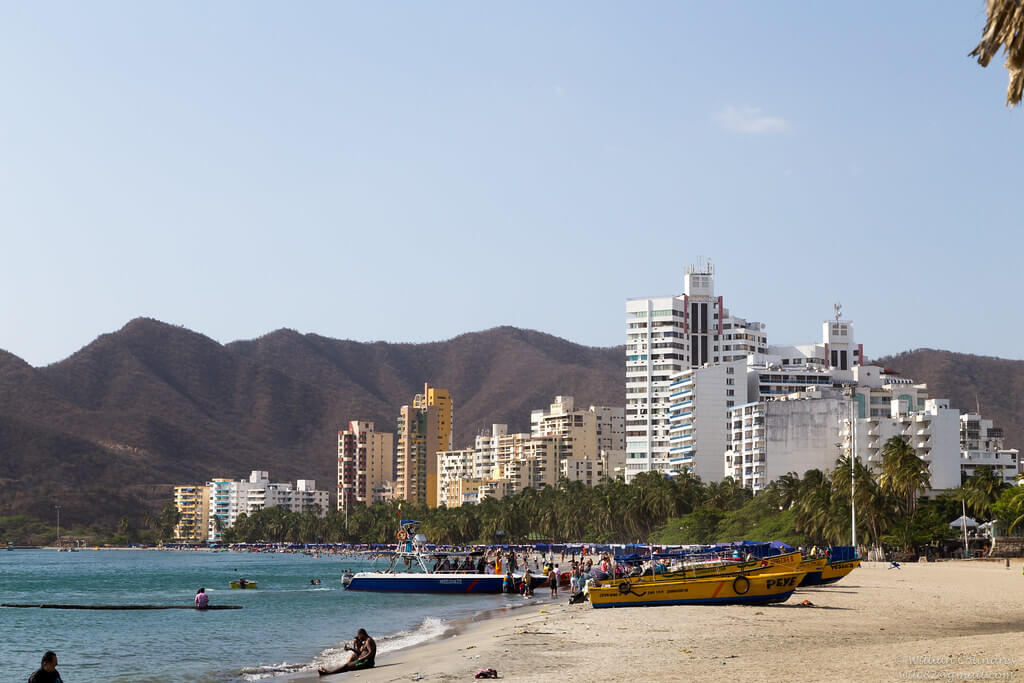
Sun, Sea, and History: Exploring Colombia's Caribbean Coast
Colombia's Caribbean Natural Region, a vibrant expanse stretching along its northern edge from the Gulf of Urabá in the west to the Guajira Peninsula in the east, is a land where the warmth of the tropics meets the azure waters of the Caribbean Sea. Recognized for its distinct climate, diverse ecosystems, rich history, and vibrant culture, this region holds a significant place in Colombia's natural and human narrative. As the gateway for early European exploration and settlement, the Caribbean coast has evolved into a dynamic area characterized by bustling port cities, stunning natural landscapes, and a unique cultural identity shaped by its coastal location and historical interactions.
A Tropical Embrace: Climate and Coastal Influences
The Caribbean Natural Region is defined by its consistently hot and humid tropical climate. Temperatures remain relatively stable throughout the year, averaging around 27 °C (81 °F), creating a consistently warm environment. High humidity, averaging approximately 80%, further characterizes the coastal experience. The region experiences distinct wet and dry seasons, with the wet season typically running from May to November, bringing increased rainfall, and the dry season extending from December to April, offering sunnier skies and slightly lower humidity. The proximity to the Caribbean Sea exerts a significant moderating influence on temperatures and contributes to the region's characteristic humidity and coastal breezes.
A Tapestry of Ecosystems: From Forests to Deserts
The Caribbean Natural Region boasts a remarkable diversity of ecosystems, each adapted to the specific climatic and geographical conditions. Humid forests thrive in areas receiving higher rainfall, supporting a rich array of tropical flora and fauna. In contrast, dry forests, adapted to more extended periods of lower precipitation, are found in other parts of the region. Expansive savannas stretch across inland areas, characterized by grasslands and scattered trees. Crucial wetlands, including mangrove forests and swamps, fringe the coastline and river deltas, providing vital habitats for numerous species and acting as natural buffers against coastal erosion.
The region is also home to significant geographical features that contribute to its ecological diversity. The majestic Sierra Nevada de Santa Marta, the world's highest coastal mountain range, rises dramatically from the Caribbean coast, its snow-capped peaks creating altitudinal gradients that support a remarkable variety of ecosystems within a relatively small area. At the easternmost extent lies the Guajira Desert, a starkly beautiful arid landscape with unique desert flora and fauna adapted to the harsh conditions.
Lifelines of Water: Rivers Flowing to the Sea
The Caribbean Natural Region is traversed by several important rivers that originate in the Andean highlands and eventually empty into the Caribbean Sea. The most significant of these is the Magdalena River, Colombia's principal waterway, which plays a crucial role in transportation, agriculture, and the region's ecology. Other notable rivers include the Sinú, the Cesar, and the Ranchería, each contributing to the freshwater resources and shaping the landscapes of the areas they flow through, often creating fertile floodplains and supporting diverse riparian ecosystems.
A Cradle of History and Culture: Coastal Heritage
As the primary point of entry for European colonizers, the Caribbean coast holds immense historical significance for Colombia. The historic port cities of Cartagena and Santa Marta, among the earliest European settlements in South America, stand as living testaments to this rich past, with their colonial architecture and fortifications recognized as UNESCO World Heritage sites. This historical legacy has profoundly shaped the region's culture, resulting in a vibrant blend of Indigenous traditions, African influences brought by enslaved people, and European customs. Music, dance, cuisine, and language in the Caribbean region all reflect this unique cultural fusion, creating a distinct identity within Colombia.
Notable Features and Attractions: A Coastal Allure
The Caribbean Natural Region is replete with natural beauty and cultural attractions that draw visitors from around the world. The walled city of Cartagena, with its colorful colonial architecture and vibrant atmosphere, is a major tourist destination. Santa Marta, the oldest surviving city in Colombia, offers historical charm and serves as a gateway to the Sierra Nevada de Santa Marta and Tayrona National Natural Park, renowned for its stunning beaches, lush coastal forests, and archaeological sites.
Other attractions include the Rosario and San Bernardo Corals National Natural Park, an archipelago of idyllic islands with coral reefs and diverse marine life, perfect for snorkeling and diving. The beaches of Palomino, at the foot of the Sierra Nevada, offer a unique blend of coastal relaxation and access to Indigenous cultures and natural beauty. The arid landscapes of the Guajira Peninsula, home to the Wayuu Indigenous people, present a starkly beautiful and culturally rich experience.
Conclusion: A Tropical Jewel
Colombia's Caribbean Natural Region is a captivating land where the warmth of the tropics meets the allure of the coast. Its consistently hot and humid climate nurtures diverse ecosystems, from lush forests to arid deserts, all connected by vital rivers flowing to the sea. As a historical cradle of Colombian culture, the region boasts vibrant cities and a unique heritage shaped by centuries of interaction. With its stunning natural beauty and rich cultural tapestry, the Caribbean Natural Region remains a vital and enchanting part of Colombia's national identity, beckoning visitors to explore its coastal charms and delve into its fascinating history and ecological wonders.
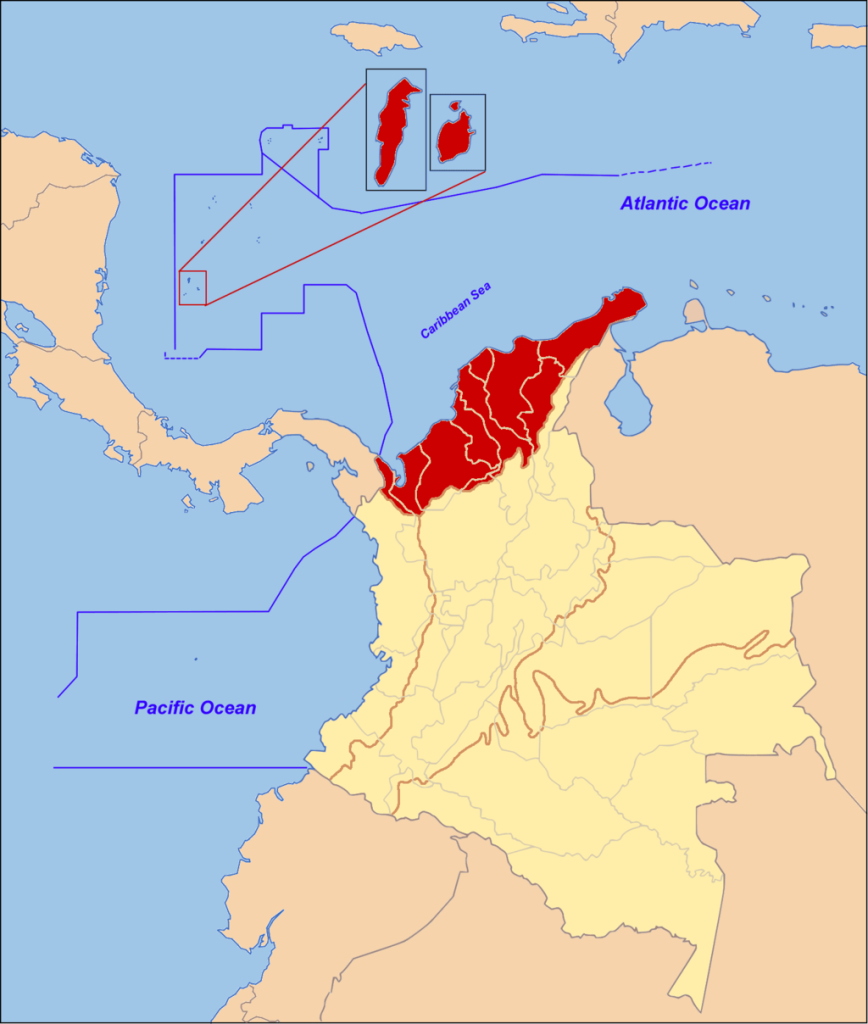
Map depicting the Caribbean region of Colombia.