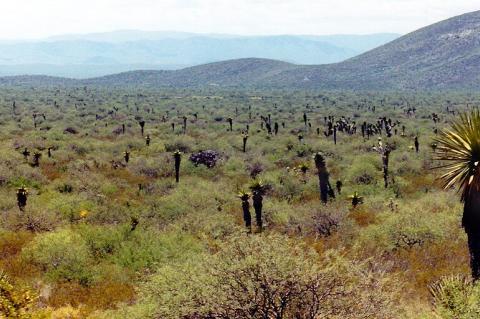
Ecological Region

Central Andean Dry Puna: An Arid Haven in the High Andes

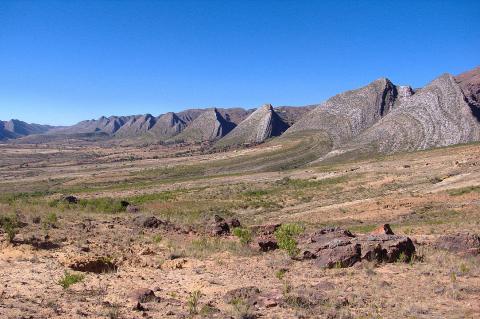
The Central Andean Dry Puna, an arid haven in the high southern Andes of Bolivia, Chile, and Argentina, captivates with arid landscapes, salt flats, and ancient sea remnants. Unique vegetation adapted to extreme conditions and diverse fauna, from Andean camelids to elusive predators and unique birds, thrive in this high-elevation ecoregion. As a mosaic of arid splendor, the Central Andean Dry Puna unfolds a captivating story of adaptation and conservation.

Central Andean Wet Puna: Where Mountains and Wetlands Converge

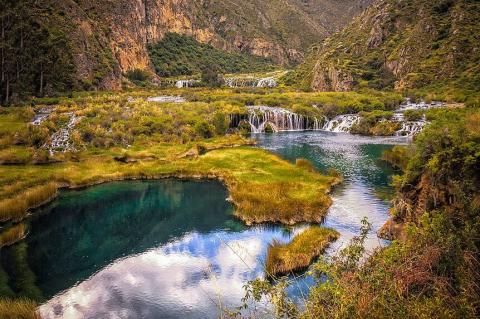
The Central Andean wet puna ecoregion, a gem in the southern high Andean Mountains of Peru and eastern Bolivia, reveals itself as a high-elevation, moist, montane grassland. Marked by snow-capped peaks, mountain pastures, high lakes, plateaus, and valleys, this region extends beyond the tree line, forming a distinctive composition of landscapes.

Discovering the Upper Paraná Atlantic Forests: A Treasure of Biodiversity

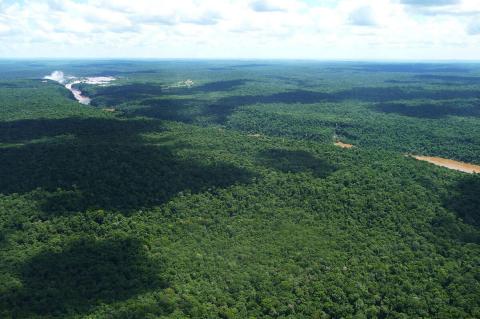
The Upper Paraná Atlantic forests, also known as "Selva Paranaense," represent a verdant expanse of tropical moist forests nestled within the South American Atlantic Forest biome. This ecoregion, characterized by its rich biodiversity and ecological significance, stretches across the southern reaches of the Brazilian Highlands, extending through southern Brazil, eastern Paraguay, and northeastern Argentina.

Ecological Riches of the Sierra Madre Oriental Pine–Oak Forests

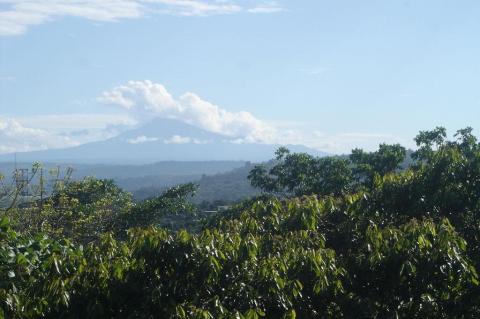
The Sierra Madre Oriental Pine–Oak Forests represent a critical component of Mexico’s diverse ecological landscape. Stretching along the eastern side of the Sierra Madre Oriental mountain range, these forests are known for their rich biodiversity and unique environmental characteristics. The varied altitudes, climate conditions, and soil types foster a complex and dynamic ecosystem.

Ecoregions of Cuba: A Tapestry of Biodiversity

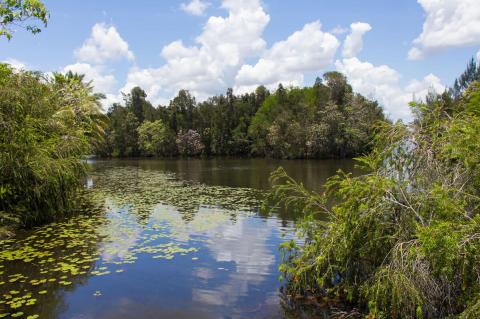
Cuba, the largest Caribbean island, features a stunning variety of ecoregions, each housing distinct ecosystems and endemic species. The island's natural environments, which range from vibrant forests to dry scrub and expansive wetlands, are vital for maintaining biodiversity and ecological balance. Exploring Cuba's primary ecoregions emphasizes their traits, importance, and conservation challenges.

Ecoregions of the Windward Islands: An In-Depth Exploration

The Windward Islands, located in the southeastern Caribbean Sea, are part of the Lesser Antilles and include islands such as Dominica, Martinique, Saint Lucia, Saint Vincent, and Grenada. Due to their diverse topography, climatic conditions, and unique geological history, these islands exhibit various ecoregions. Among the most significant ecoregions are the Windward Islands' moist forests, dry forests, and xeric scrub.

Exploring the Enchanting Beauty of the Belizean Pine Forests Ecoregion

Nestled in the heart of Central America, the Belizean Pine Forests ecoregion is a testament to the resilience and beauty of nature. It spans across the rugged landscapes of Belize and captivates with its towering pine trees, vibrant biodiversity, and rich cultural heritage. From the majestic peaks of the Maya Mountains to the tranquil shores of the Caribbean Sea, the Belizean Pine Forests ecoregion invites exploration of its diverse ecosystems.

Exploring the Enchanting Catatumbo Moist Forests: A Treasure of Colombia and Venezuela

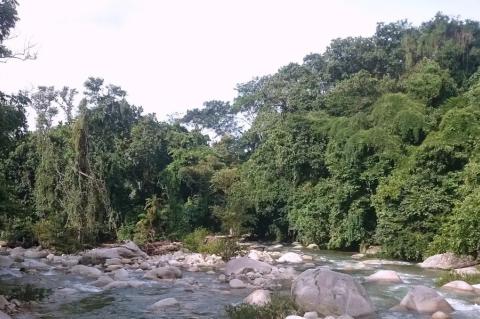
A natural wonder of unparalleled beauty and ecological significance lies along the border between Colombia and Venezuela—the Catatumbo moist forests ecoregion. This enchanting landscape, spanning lush valleys, towering mountains, and winding rivers, captivates the imagination with its rich biodiversity and breathtaking vistas. From its dense rainforests to its mist-shrouded cloud forests, this diverse ecoregion offers a glimpse into a world teeming with life and wonder.

From Sechura to Nazca: Peru's Desert Coast

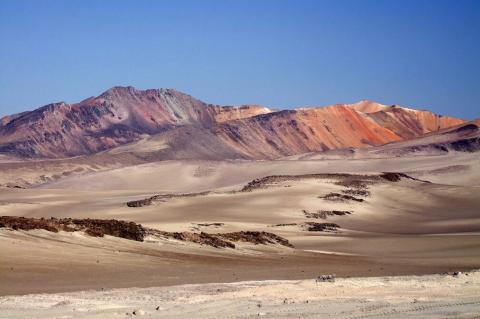
Peru's western coastline, a ribbon of aridity against the vast Pacific, cradles a remarkable tapestry of desert landscapes, each possessing its own distinct character and ecological significance. Among these arid expanses, the Sechura Desert and the coastal desert region that includes the famed Nazca Desert stand out as compelling examples of nature's artistry and the enduring spirit of life in extreme conditions.

Guardians of the Andes: The Eastern Cordillera Real Montane Forests

The Eastern Cordillera Real Montane Forests in Ecuador, Peru, and Colombia are a unique and vital ecoregion in the Andes Mountains known for its high biodiversity and diverse microclimates. It is part of the larger Tropical Andes biodiversity hotspot and faces conservation challenges due to human activities and climate change, making it a focal point for preservation efforts.