Ecological Region

The Marañón Dry Forests: A Haven of Biodiversity in Northwestern Peru

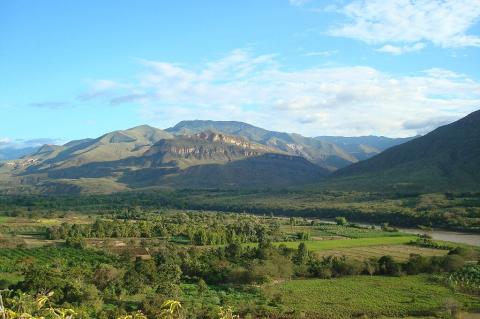
The Marañón dry forests, situated in the upper Marañón River valley and its tributaries in northwestern Peru, represent a biologically rich and distinct ecoregion. This region, spanning the central and northern Andes, features a unique climate and diverse habitats, supporting many endemic species. The Marañón dry forests' ecological significance and challenges underscore the importance of conservation efforts in this remarkable region.

The Mystical Pantepui: A Realm of Towering Tepuis and Exceptional Biodiversity

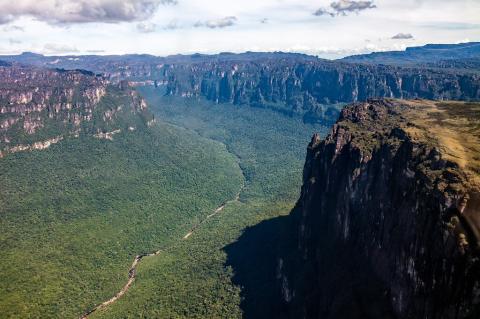
The Pantepui forests and shrublands ecoregion is located in the Guiana Highlands of northern South America. This region is home to over 50 tabletop mountains, called tepuis, with isolated sandstone plateaus and summits on almost vertical escarpments. This remarkable area has ancient geological formations, stunning waterfalls, and diverse flora and fauna.

The Napo Moist Forests: A Biodiversity Hotspot in the Amazon Basin

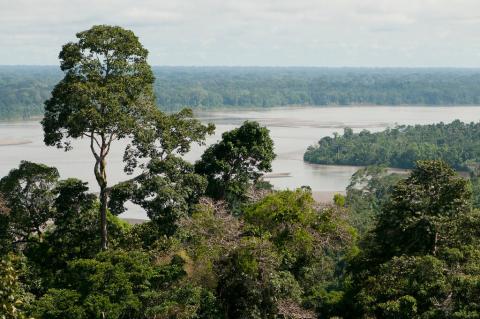
The Napo Moist Forests ecoregion, a lush and diverse expanse of tropical rainforest, is located in the western Amazon Basin, primarily within Ecuador and Peru, extending into southern Colombia. This ecoregion, known for its unparalleled biodiversity, encompasses a variety of habitats, from lowland rainforests to montane forests, supporting an incredible array of flora and fauna. The region's ecological significance and cultural heritage make research and protection vital.

The Northern Andean Páramo: A High-Altitude Sanctuary of Biodiversity

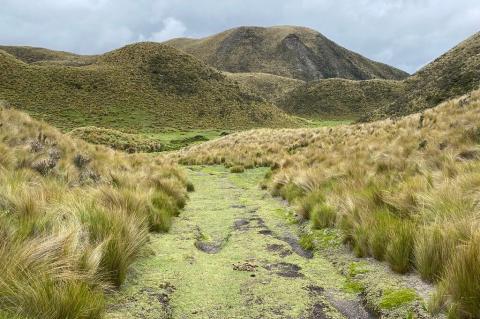
Soaring high above Colombia and Ecuador's cloud forests and montane landscapes, the Northern Andean páramo is a truly remarkable and unique ecoregion. This vast expanse of high-altitude grasslands, wetlands, and shrublands is a vital component of the Andes ecosystem and a global biodiversity hotspot teeming with an array of specialized plant and animal life found nowhere else on Earth.

The Orinoco Delta Swamp Forests: A Wetland Wonderland

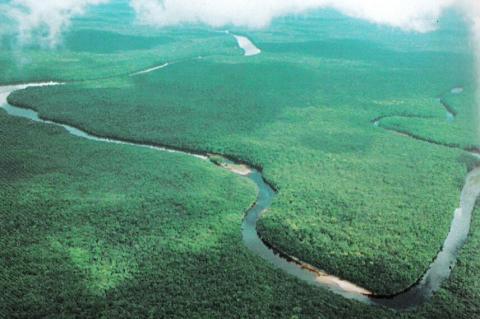
Nestled along the northeastern coast of Venezuela and extending into Guyana, the Orinoco Delta Swamp Forests ecoregion is a remarkable tapestry of flooded forests, wetlands, and meandering waterways. This vast expanse of inundated landscapes, stretching from the southern reaches of the Paria Peninsula to the Waini River, is a testament to nature's resilience and adaptability.

The Pantanos de Centla: A Vital Biological Corridor in Southern Mexico

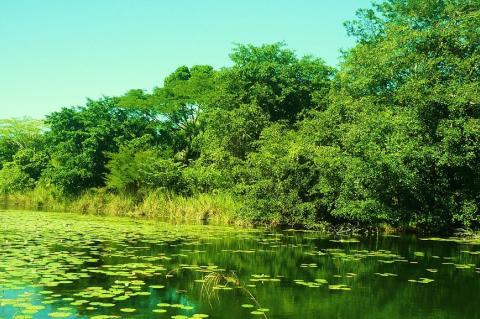
The Pantanos de Centla, situated in the heart of southern Mexico, is more than just a biosphere reserve—it represents a unique and expansive tropical wetland ecoregion. Stretching across the states of Tabasco and Campeche, this area is a vibrant mosaic of seasonally flooded forests, freshwater swamp systems, and rich estuarine environments. Its position at the confluence of the Grijalva and Usumacinta rivers makes it a linchpin in maintaining regional biodiversity and ecological balance.

The Paraná Flooded Savanna: Guardian of the Flooded Realm

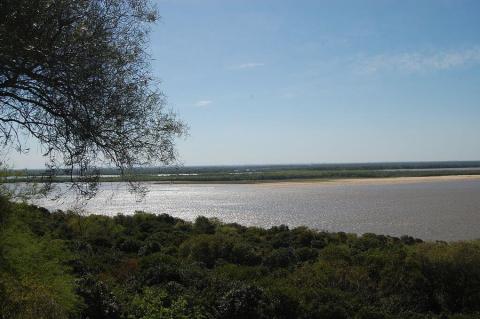
The Paraná Flooded Savanna ecoregion is a vast area that spans across the floodplains of the middle and lower Paraná River, along with its tributary, the Paraguay River. This region is home to diverse flora and fauna, crucial for maintaining the ecological balance in Argentina and Paraguay. This region's intricate network of waterways and lush marshlands provides a secure habitat for countless plant and animal species.

The Patagonian Grasslands: Guardians of the Windswept Plains

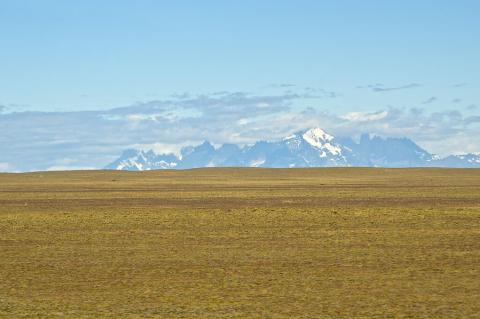
The Patagonian Grasslands ecoregion is situated in the southern part of Argentina. It is an example of nature's resilience in challenging conditions. This area falls under the biome of temperate grasslands, savannas, and shrublands, which spans across the Neotropical realm. The region is a testament to the stunning beauty and biodiversity of the southern landscapes of Argentina.

The Patía Valley Dry Forests: A Unique and Threatened Ecosystem in Colombia

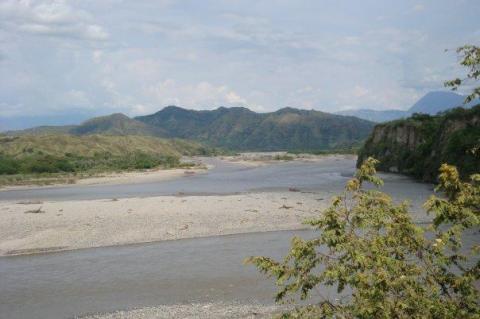
Nestled within the rugged Andes Mountains of southwestern Colombia lies a remarkable and often overlooked ecoregion known as the Patía Valley dry forests. In the rain shadow of the towering Andes, this arid landscape stands in stark contrast to the lush, verdant forests that characterize much of the surrounding region. This creates a unique and fragile ecosystem that is home to a diverse array of specialized plant and animal life.

The Petenes Mangrove Ecoregion: A Unique Wetland Ecosystem

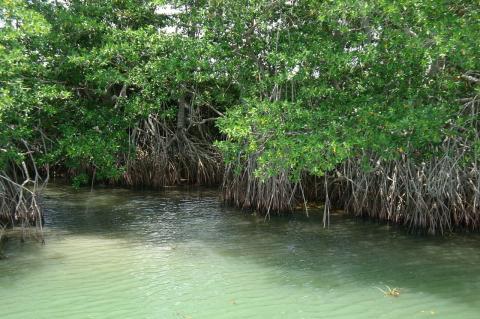
Mangrove ecosystems are among Earth's most productive and biologically diverse habitats, providing vital ecological services and supporting a rich array of plant and animal life. The Petenes mangrove ecoregion in the western Yucatán Peninsula of Mexico is a unique and extraordinary example of these coastal wetlands. The Petenes mangroves are a biodiversity hotspot, harboring endemic and migratory species.