Ecological Region

Guardians of the Caribbean: The Greater Antilles Mangroves Ecoregion

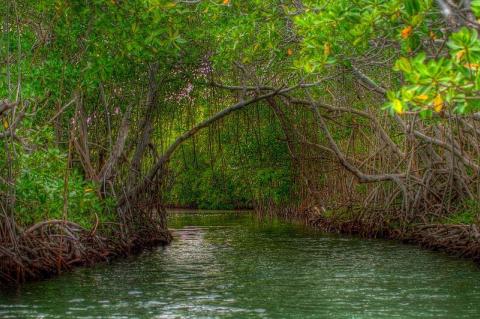
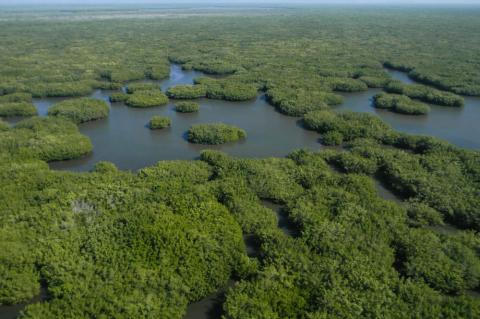
Spanning the coasts of some of the Caribbean's most iconic islands, the Greater Antilles Mangroves ecoregion forms a vital natural network that supports a rich array of biodiversity and plays a critical role in the health of coastal ecosystems. From the shores of Cuba and Hispaniola to Puerto Rico and Jamaica, these mangrove forests thrive in the warm, shallow waters of the Caribbean Sea, creating a buffer between land and ocean while providing shelter to countless species.

Guardians of the Drylands: The Cauca Valley Dry Forests of Colombia's Tropical Andes

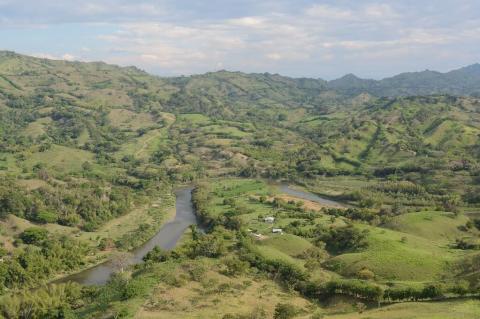
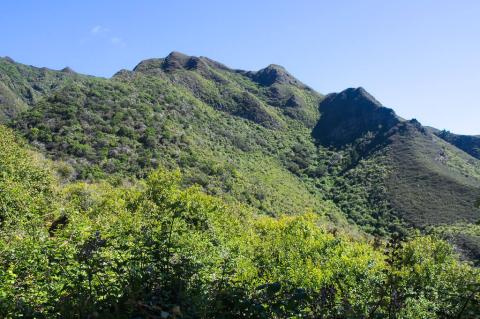
The Cauca Valley dry forests in Colombia are part of the Tropical Andes Biodiversity Hotspot, one of Earth's most biologically diverse regions. This ecoregion is characterized by its distinct dry climate, varied topography, and a remarkable array of flora and fauna. Despite its ecological importance, the Cauca Valley dry forests face significant threats from human activities and environmental changes.

Guardians of the Green: Pernambuco's Coastal and Interior Forests

The Brazilian state of Pernambuco, located in the northeastern part of the country, is home to two distinct but ecologically significant ecoregions: the Pernambuco Coastal Forests and the Pernambuco Interior Forests. These ecoregions are vital to Brazil's Atlantic Forest, one of the world's most diverse and endangered ecosystems. Characterized by unique flora and fauna, these forests are crucial for biodiversity conservation, climate regulation, and sustaining local communities.

Gurupá Várzea: A Transition Zone Between River and Forest

The Gurupá várzea is a remarkable ecoregion within the Amazon biome, defined by its seasonal flooding and lush forests along the lower Amazon River. Situated between the Tapajós and Xingu rivers, this várzea covers a vast area and plays a crucial ecological role in the region. It is a transitional zone between moist forest ecoregions, connecting the Tapajós-Xingu moist forests to the south with the Uatuma-Trombetas moist forests to the north.

Hispaniola’s Mountain Pine Forests: A Refuge for Endemic Species

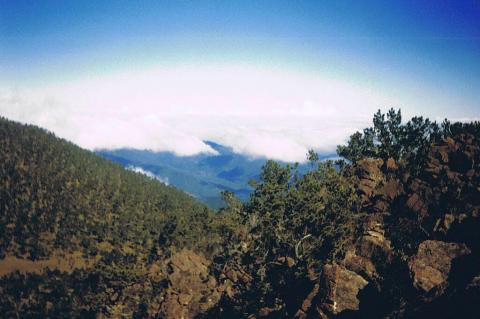
The Hispaniolan Pine Forests represent one of the most distinctive ecoregions on Hispaniola, home to the Dominican Republic and Haiti. Located in the Greater Antilles, this ecoregion is predominantly in the island's central mountainous areas and supports many endemic species. Once covering large portions of the island's highlands, these forests are now confined mainly to higher elevations due to deforestation and land degradation. However, they remain a vital refuge for biodiversity and a key component of Hispaniola's natural heritage.

Hispaniolan Moist Forests: A Critical Tropical Ecoregion

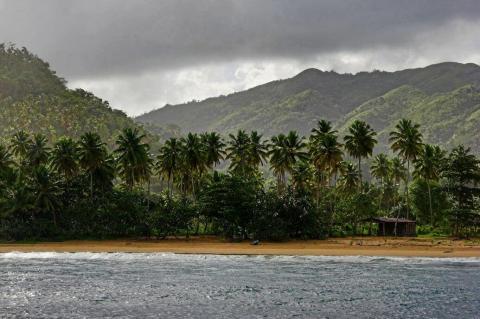
The Hispaniolan moist forests are a tropical broadleaf forest ecoregion on Hispaniola, encompassing parts of the Dominican Republic and Haiti. They are rich in biodiversity and support numerous unique species of flora and fauna. However, they have experienced significant degradation over time due to human activities, such as deforestation and agricultural expansion. Today, conservation efforts focus on preserving the remaining patches of this ecoregion, which once covered vast portions of the island.

Iquitos Várzea: A Flooded Wonderland

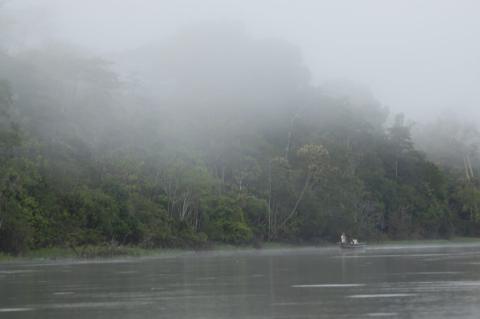
The Iquitos várzea is a remarkable floodplain ecosystem in the upper Amazon Basin. It extends across the Amazon, Ucayali, Marañon, and Madre de Dios rivers in northeastern Peru and into northern Bolivia and northwestern Brazil. This vast region is an iconic example of the várzea ecosystem, where seasonal flooding is crucial in shaping the landscape and sustaining its diverse plant and animal life.

Juan Fernández Islands Temperate Forests: A Biodiversity Sanctuary in Isolation

The Juan Fernández Islands Temperate Forests ecoregion, located on the remote Juan Fernández Archipelago off the coast of Chile, stands as one of the world's most unique and biologically rich environments. Due to its isolation in the South Pacific, the archipelago has developed an extraordinary range of endemic species and distinct ecosystems. This ecoregion, dominated by temperate forests, offers a rare glimpse into how nature evolves in isolation.

Mangrove Ecosystem of Marismas Nacionales–San Blas: Biodiversity and Conservation

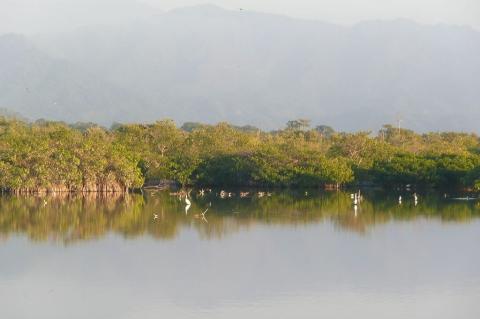
The Marismas Nacionales–San Blas Mangroves stretch across the Mexican states of Sinaloa and Nayarit, forming the most extensive mangrove area on Mexico's Pacific coast. This ecoregion, which includes the Marismas Nacionales Lagoon System, is celebrated for its rich biodiversity and ecological significance. The vast mangrove forests play a crucial role in stabilizing the coastline, supporting diverse species, and mitigating the impacts of climate change.

Marismas Nacionales: Mexico's Coastal Wetland Haven

The Marismas Nacionales Lagoon System is one of the most extensive and ecologically critical coastal wetlands along the Pacific coast in northwest Mexico. This unique ecosystem is a vital natural resource, distinguished by its dynamic wetland habitats, including estuaries, marshes, mangroves, and coastal lagoons. It is recognized as one of Mexico's most crucial mangrove systems, playing a critical role in sustaining biodiversity, protecting coastal areas, and mitigating the impacts of climate change.