Ecological Region

The Juruá-Purus Moist Forests: A Biodiversity Hotspot in Brazil's Amazonian Heart

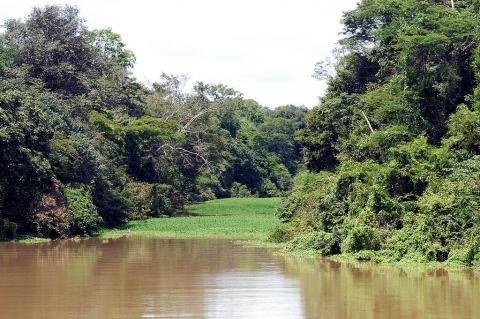
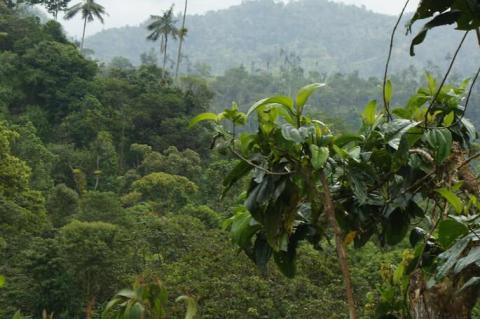
The Juruá-Purus Moist Forests are in northwestern Brazil, south of the upper Amazon River. The ecoregion covers the valleys between the upper Amazon and the Purus River. It is part of the Amazon Biome and is mainly covered with evergreen tropical rainforests with dense, high canopy. These forests are a botanical wonderland and a haven for a remarkably diverse array of animal life.

The Leeward Islands Dry Forests: Echoes of Resilience

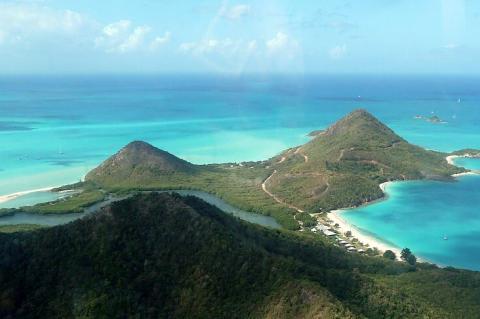
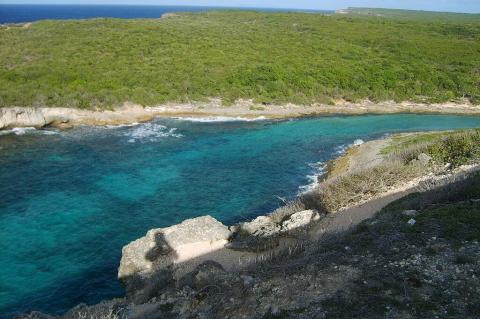
Nestled amidst the azure waters of the eastern Caribbean Sea, the Leeward Islands dry forests ecoregion sprawls across secluded corners of the Leeward Islands. Characterized by gentle relief and moderate rainfall, this ecoregion, though weathered by centuries of deforestation, still retains echoes of its former magnificence, offering glimpses into its enduring beauty.

The Leeward Islands Moist Forests: A Vibrant Tapestry of Island Ecosystems

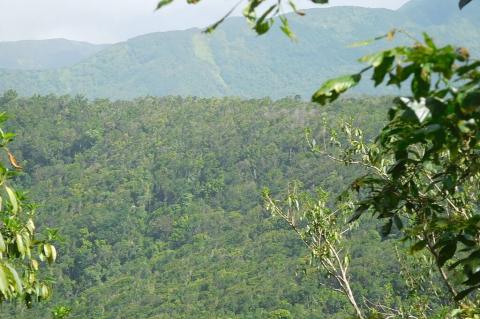
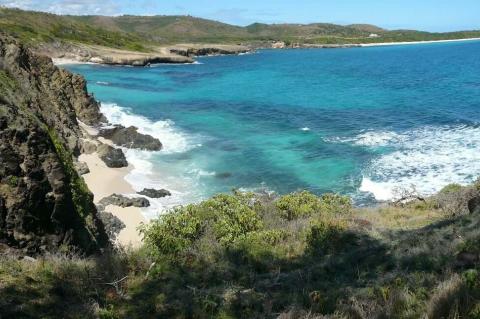
The Leeward Islands moist forests ecoregion is captivating and diverse. It spans the northern islands of the Lesser Antilles chain in the eastern Caribbean Sea. The ecoregion within this vibrant island arc is characterized by rugged, volcanic mountains cloaked in lush tropical forests—a testament to the resilience and richness of island ecosystems. The ecoregion showcases the remarkable diversity that can thrive within these isolated yet interconnected Caribbean islands.

The Leeward Islands Xeric Scrub: A Resilient Ecosystem

Stretching across the northern reaches of the Lesser Antilles, the Leeward Islands Xeric Scrub Ecoregion encompasses a diverse array of dry, non-forested habitats on the peripheries of these sun-drenched islands. From the sandy shores to the arid savannas, this ecoregion supports a resilient community of plants and animals adapted to the region's semi-arid conditions and the impacts of human land use over centuries.

The Lesser Antillean Dry Forests Ecoregion: A Study in Resilience

The Lesser Antilles, a chain of islands in the Caribbean Sea, is known for its ecological diversity and unique habitats. Among its ecoregions, the Lesser Antillean dry forests stand out as an area of significant ecological importance. These dry forests, shaped by low rainfall and prolonged dry seasons, showcase nature's resilience and adaptability. Understanding this ecoregion's characteristics, biodiversity, and conservation challenges is essential for its preservation.

The Lush and Biodiverse Western Ecuador Moist Forests

Nestled along the western slopes of the Andes Mountains in Ecuador lies a captivating ecoregion known as the Western Ecuador Moist Forests. This expansive, verdant landscape stretches from the Colombian border in the north to the Guayas River basin in the south. The ecoregion is part of the Tumbes-Chocó-Magdalena biodiversity hotspot, one of Earth's most species-rich yet threatened regions.

The Magdalena Valley Dry Forests: Challenges and Conservation

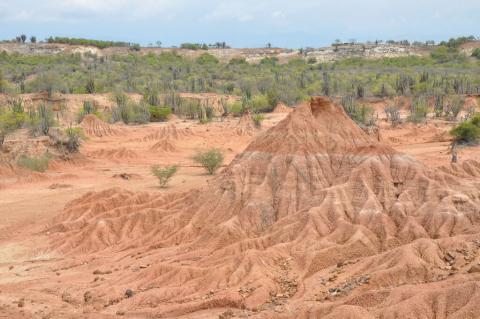
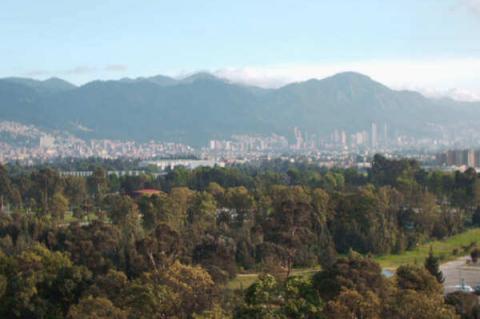
The Magdalena Valley dry forests ecoregion lies between the Eastern and Central cordilleras of the Colombian Andes, a unique and critical landscape defined by its dry climate, rich biodiversity, and significant geological history. Spanning a vast area along the dry inter-Andean valley formed by the Magdalena River, this ecoregion is vital to Colombia's natural heritage.

The Magdalena Valley Montane Forests: A Biodiversity Haven Under Threat

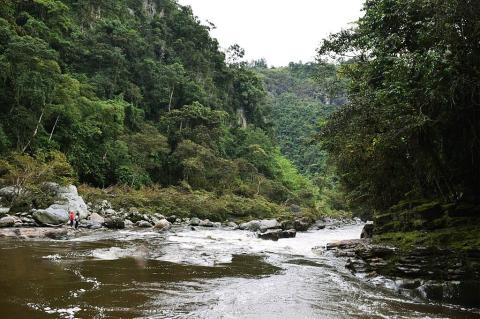
The Magdalena Valley montane forests within the Colombian Andes represent a vital ecoregion teeming with biodiversity and environmental significance. Stretching across the inner slopes of the Central and Eastern Cordilleras, this area is characterized by its diverse habitats, complex climatic conditions, and a wealth of endemic flora and fauna. Understanding the unique attributes of these montane forests is essential for preserving one of Colombia's most ecologically rich landscapes.

The Magdalena-Urabá Moist Forests: A Biodiversity Treasure of Colombia

Nestled along the Caribbean coast of northern Colombia, the Magdalena-Urabá moist forests ecoregion is a remarkable and diverse ecosystem that is part of the more significant Tumbes-Chocó-Magdalena biodiversity hotspot. This lush and verdant region, stretching from the Magdalena River valley to the Gulf of Urabá, is a testament to Colombia's incredible natural wealth, offering a glimpse into the country's rich biological heritage.

The Magellanic Subpolar Forests: A Comprehensive Exploration of Nature's Southern Frontier

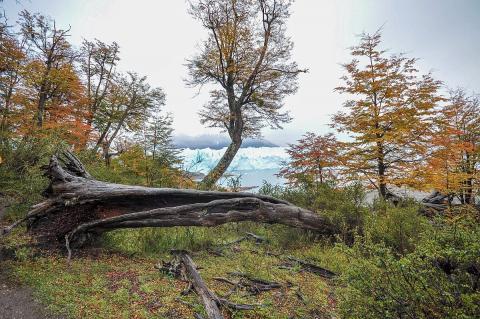
At the southernmost reaches of South America, where the mighty Andes curve eastward and the glacial waters of the Southern Ocean collide with the rugged coastline, lies the Magellanic subpolar forests – a realm of untamed wilderness and extraordinary beauty. This terrestrial ecoregion, spanning parts of southern Chile and Argentina, is a testament to nature's resilience and the incredible diversity of life that thrives in even the harshest environments.