Ecological Region

The Dry Chaco: A Realm of Resilience, Where Life Thrives Against the Odds

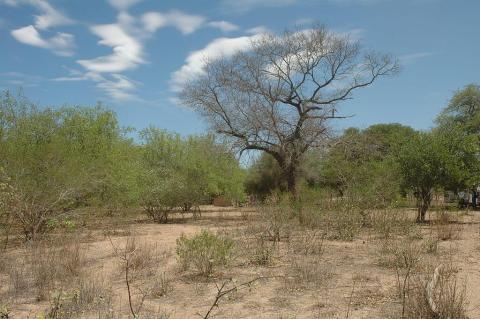
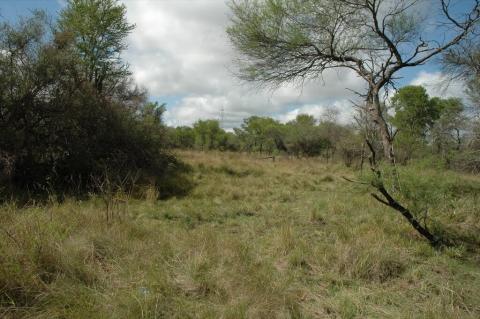
The Dry Chaco ecoregion, the arid part of the Gran Chaco, spans western Paraguay, northern Argentina, southeastern Bolivia, and a small area of Brazil. This lowland, mainly in the rain shadow of the Central Andes, features a landscape shaped by limited rainfall, intense solar radiation, and extreme seasonal temperatures. Rather than a barren wasteland, the Dry Chaco showcases a unique biodiversity of plants and animals that have evolved remarkable adaptations to thrive in this challenging environment.

The Ecoregions of Jamaica: Nature's Caribbean Canvas

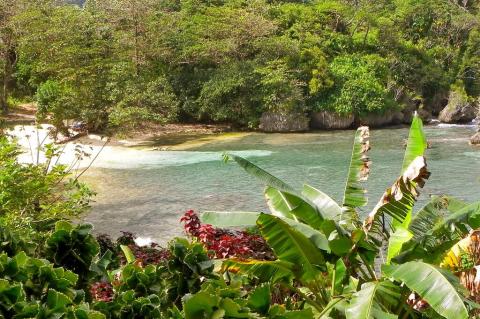
Jamaica's position in the Caribbean Sea has given rise to three distinct World Wildlife Fund (WWF) terrestrial ecoregions: the Jamaican moist forests, Jamaican dry forests, and Greater Antilles mangroves. These ecological zones represent unique assemblages of flora and fauna shaped by the island's geographical isolation, varied topography, and climate patterns. Protecting these ecoregions is critical to preserving the island's natural heritage.

The Ecuadorian Dry Forests: A Unique Ecosystem on the Brink

Nestled along Ecuador's western coast, the Ecuadorian Dry Forests ecoregion is a unique and remarkable ecosystem characterized by a delicate balance between lush vegetation and arid landscapes. This captivating region harbors a rich tapestry of biodiversity that has adapted to thrive in harsh, semi-arid conditions. From its diverse flora and fauna to its historical and cultural significance, the Ecuadorian Dry Forests offer a compelling glimpse into the resilience and fragility of nature's wonders.

The Guajira-Barranquilla Xeric Scrub: An Arid Wonderland on the Caribbean Coast

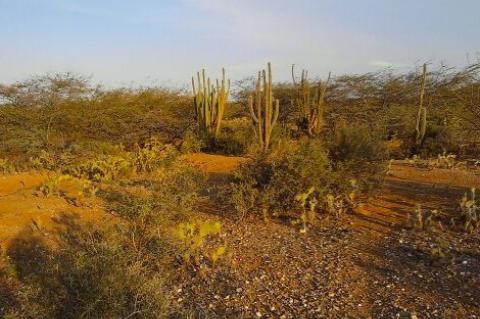
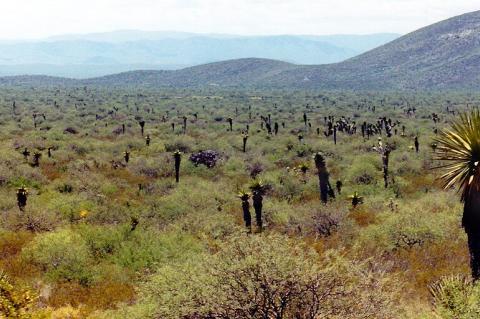
Nestled along the Caribbean coastlines of northern Venezuela and Colombia, the Guajira-Barranquilla xeric scrub ecoregion is a unique and remarkable xerophytic (dry-adapted) enclave within the Neotropics. This arid habitat, proposed as a bird center of endemism, is dominated by thorn scrub and succulent vegetation, starkly contrasting the lush tropical landscapes that characterize much of the region.

The Guianan Highlands Moist Forests: A Tapestry of Rainforests and Savannas on the Ancient Guiana Shield

The Guianan Highlands moist forests ecoregion is a captivating and unique landscape in northern South America. This region is a mosaic of rainforests, savannas, and gallery forests covering parts of Venezuela, Guyana, Brazil, Suriname, French Guiana, and Colombia. Sitting on the ancient Guiana Shield, this ecoregion is a testament to the geological forces that have shaped it over millions of years, creating a remarkable biodiverse ecosystem.

The Guianan Moist Forests: A Vast and Pristine Rainforest Expanse in Northeastern South America

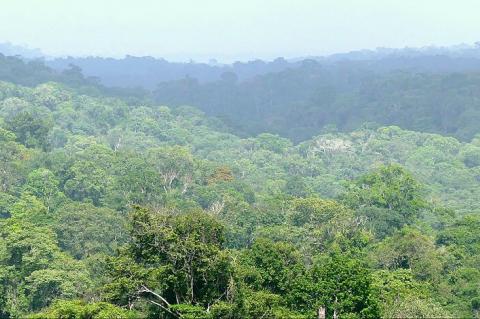
Stretching across the northeastern coast of South America, the Guianan moist forests ecoregion is one of the world's most extensive tracts of relatively pristine lowland tropical rainforests. This vast expanse of verdant wilderness spans the Guianas—Guyana, Suriname, and French Guiana—and parts of eastern Venezuela and northern Brazil. The Guianan moist forests are a biodiversity hotspot, harboring a wide variety of flora and fauna, many of which are endemic to this ecoregion.

The Guianan Savanna: A Mosaic of Grasslands and Tepui Wonders

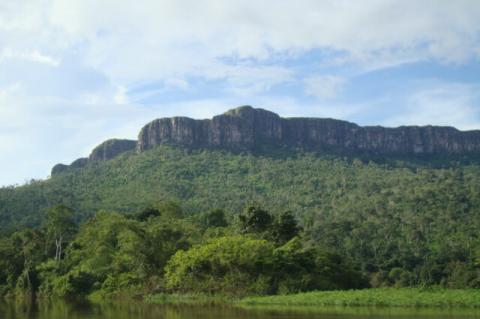
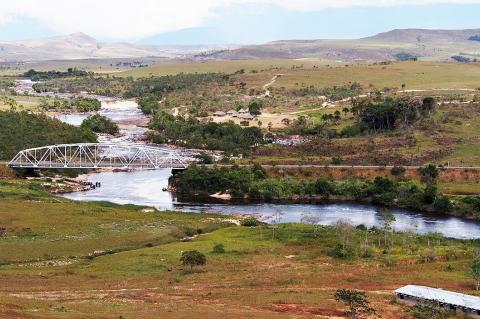
The Guianan savanna is a diverse ecoregion in South America, spanning Venezuela, Guyana, Suriname, and parts of northern Brazil. It is a unique mosaic of upland plains, forests, and sandstone formations embedded within the tropical rainforest landscape of the Guiana Shield. The savanna showcases a rich tapestry of endemic species and is a testament to the incredible diversity of ecosystems within the Neotropics.

The Heart of the Amazon: Life in the Purus Várzea

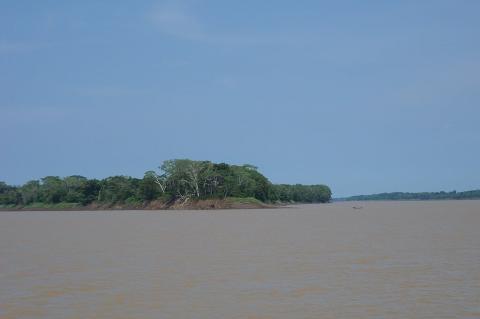
The Purus Várzea is one of the Amazon Basin's most extensive and ecologically rich várzea ecosystems. This ecoregion spans parts of Brazil's central Amazon, extending across the floodplains of the Purus River and its tributaries. Located primarily within the Brazilian states of Amazonas and Acre, the Purus Várzea is nestled between the Madeira River to the east and the Juruá River to the west, making it an integral part of the central Amazon's vast aquatic landscape.

The Humid Chaco: A Realm of Green and Water, Where Life Flourishes in Abundance

The Humid Chaco ecoregion, the eastern counterpart to the drier expanses of the Gran Chaco, stretches across eastern Paraguay, northeastern Argentina, and a small portion of southeastern Brazil. In contrast to the aridity that defines its western neighbor, the Humid Chaco is characterized by higher rainfall, more fertile soils in certain areas, and a greater abundance of surface water. This results in a landscape teeming with diverse forests, expansive savannas that experience seasonal flooding, and intricate riparian ecosystems.

The Humid Pampas: Exploring Argentina's Verdant Plains

The humid pampas ecoregion, situated in the eastern plains of Argentina, predominantly occupies the province of Buenos Aires. This area, known for its high human population density, is characterized by expansive grasslands and xeric woodlands. As part of the larger Pampas lowland plains region, the humid pampas feature horizontal plains with gentle undulations and occasional low peaks that emerge like islands across the landscape.