Ecological Region

The Talamancan Montane Forests: A High-Altitude Haven

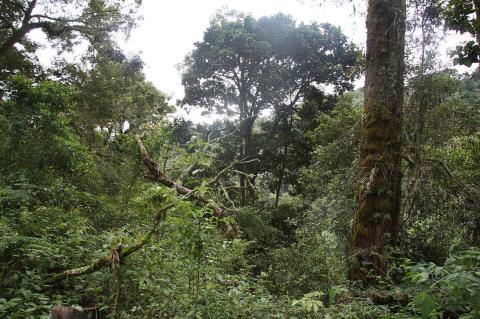
Nestled within the rugged highlands of northwestern Costa Rica and western Panama, the Talamancan Montane Forests ecoregion is one of Central America's most intact and biologically diverse ecosystems. This discontinuous expanse of montane forests, cloaked in mist and draped across the region's towering mountain ranges, harbors a wealth of endemic species and serves as a vital sanctuary for a multitude of flora and fauna.

The Trindade and Martim Vaz Islands Tropical Forest Ecoregion

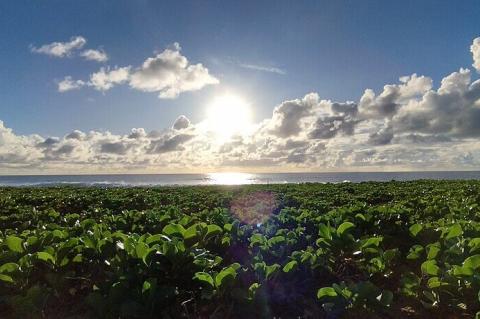
The Trindade and Martim Vaz Islands, off the coast of Brazil, are part of a unique tropical forest ecoregion that plays a crucial role in the biodiversity of the Atlantic Ocean. As a part of the Neotropic ecozone and the Tropical and Subtropical Moist Broadleaf Forests biome, this remote archipelago offers a striking example of how isolated ecosystems can harbor unique plant and animal life. The islands' history is marked by human intervention drastically altering their ecological landscape. However, ongoing conservation efforts strive to protect and restore the native flora and fauna.

The Tumbes-Piura Dry Forests: A Biodiversity Hotspot within the Tumbes-Chocó-Magdalena Region

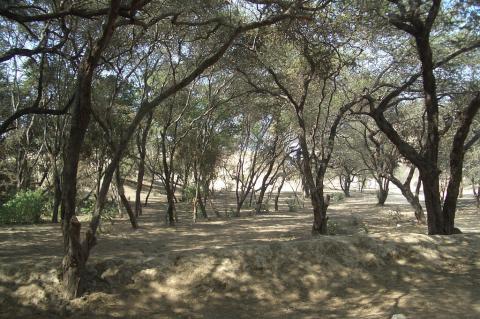
The Tumbes-Piura dry forests ecoregion is nestled along the Pacific coast of northwestern Peru and southwestern Ecuador. This unique and remarkable ecosystem is part of the larger Tumbes-Chocó-Magdalena biodiversity hotspot. This ecoregion, often overshadowed by the more well-known tropical rainforests of the Amazon basin, is a biodiversity hotspot in its own right, harboring an exceptional concentration of endemic species and facing significant conservation challenges.

The Uruguayan Savanna: A Rich Tapestry of Grasslands and Biodiversity

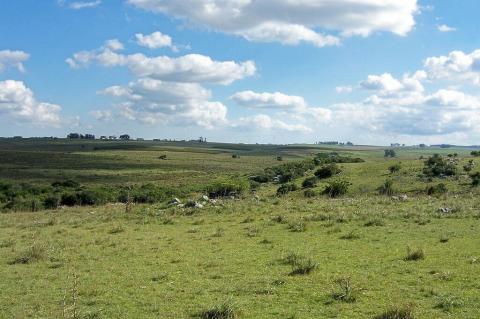
The Uruguayan savanna, also known as the Brazilian-Uruguayan savanna, stretches across the southern region of the Brazilian state of Rio Grande do Sul, encompasses the entirety of Uruguay, and extends into a small portion of Argentina along the Uruguay River. This ecoregion, characterized by subtropical grasslands and savannas, offers a mosaic of habitats, including medium-tall grasslands, gallery forests, palm savannas, and submontane forests.

The Venezuelan Andes Montane Forests: A Biological Treasure Trove

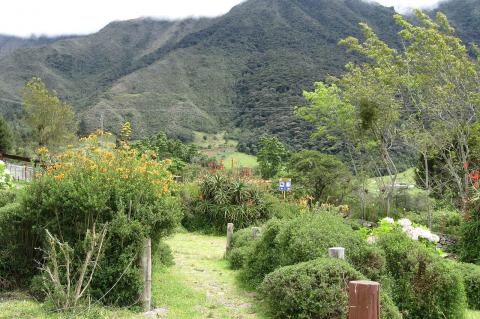
Nestled within the northern arm of the Venezuelan Andes, a northeastern branch of the mighty Andes Mountains system, lies the Venezuelan Andes montane forests ecoregion – a verdant tapestry of towering peaks, misty cloud forests, and a staggering array of plant and animal life. This unique ecosystem, separated from the Eastern Andes of Colombia by the Tachira depression, is a true gem, a testament to the incredible biodiversity that thrives in the heart of South America.

The Vibrant Ecosystem of the Lesser Antilles Mangroves

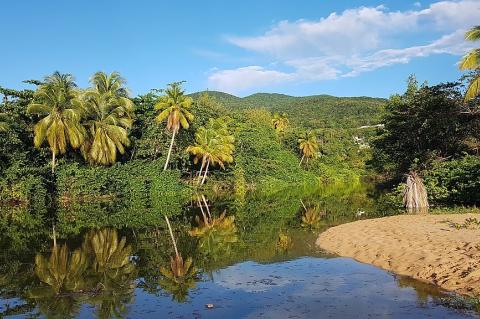
The Lesser Antilles mangrove ecoregion is a unique and diverse coastal environment at the southeastern edge of the Caribbean Sea. This region encompasses the coastal margins of a chain of islands stretching from Sombrero and Anguilla in the north to Grenada in the south. Despite their smaller size compared to their counterparts in the Greater Antilles, these islands boast a remarkable level of species diversity and endemism.

The Yucatán Dry Forests: A Unique Island of Biodiversity on Mexico's Limestone Peninsula

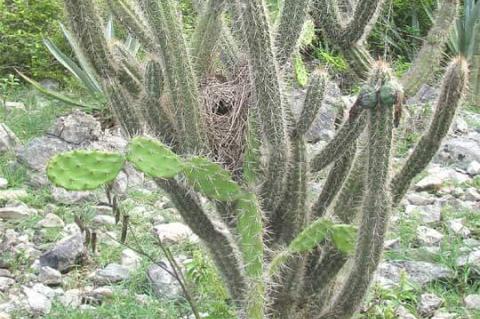
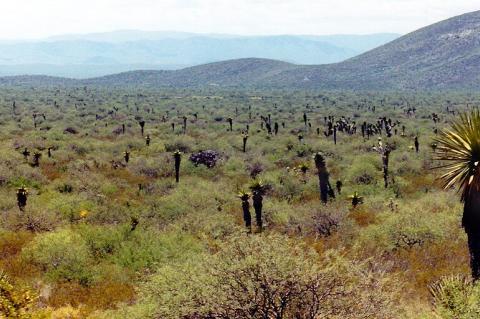
The Yucatán Peninsula is home to a unique ecosystem known as the Yucatán dry forests. This region is isolated from other dry forests and supports a variety of plant and animal species adapted to the region's specific climate and geology. The Yucatán dry forests have flat terrain, thorny scrub vegetation, and scattered cacti shaped by aridity, limestone formations, and evolutionary isolation.

The Yucatán Moist Forests: A Tropical Treasure Trove

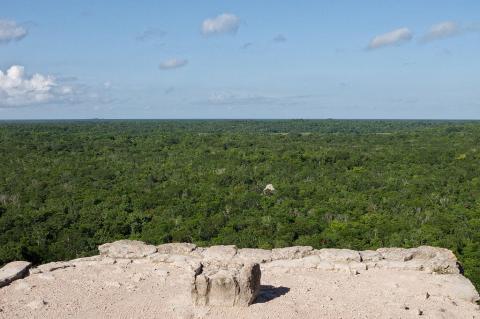
Spanning the Yucatán Peninsula of southeastern Mexico and extending into northern Guatemala and Belize, the Yucatán moist forests ecoregion stands as a remarkable tropical treasure trove. This ecoregion is part of the tropical and subtropical moist broadleaf forests biome, offering a unique blend of biodiversity, geological wonders, and cultural heritage.

Tides of Life: The Marajó Várzea Ecosystem

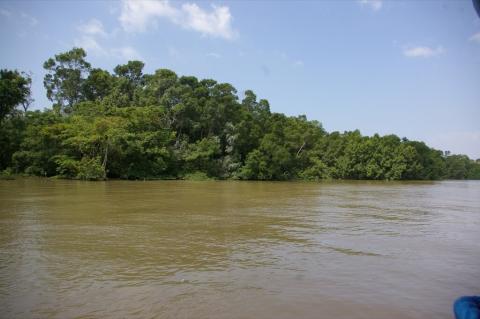
The Marajó várzea is a distinctive and ecologically rich region located at the mouth of the Amazon River in eastern Brazil. Spanning the vast lowland islands and floodplains of the Marajó Archipelago, this ecoregion experiences one of the most unusual flooding patterns in the Amazon Basin. This dynamic, coupled with the nutrient-rich sediments the Amazon River carries, has created a fertile and diverse environment supporting various plant and animal species.

Trans-Mexican Volcanic Belt Pine–Oak Forests Ecoregion: Nature's Haven in South-Central Mexico

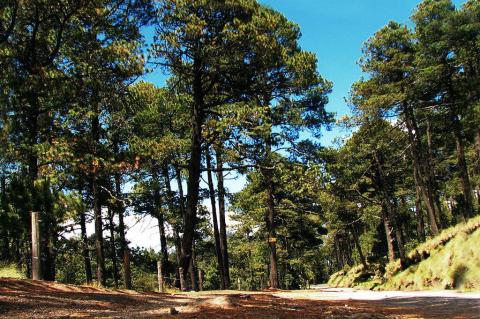
The Trans-Mexican Volcanic Belt Pine-Oak Forests Ecoregion is located in south-central Mexico. It boasts a stunning variety of biodiversity, characterized by a unique blend of landscapes dominated by pine and oak. Encompassing several states, this ecoregion holds substantial ecological importance, providing a sanctuary for a diverse range of plant and animal species.