Ecological Region

The Resilient Dry Forests of Trinidad and Tobago

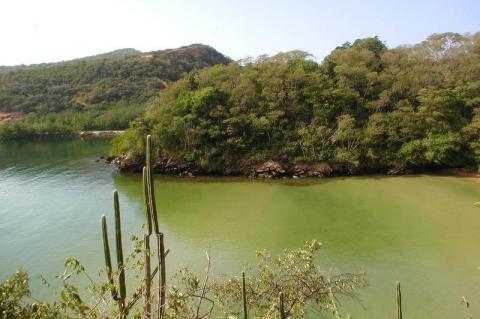
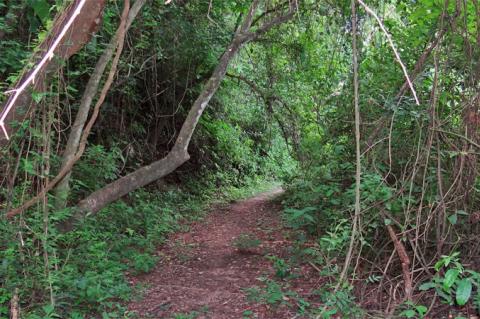
Tucked away in the southernmost reaches of the Caribbean archipelago, the islands of Trinidad and Tobago are home to diverse ecosystems, including a unique ecoregion known as the Trinidad and Tobago Dry Forests. While occupying only a small portion of the nation's total land area, these sun-drenched, deciduous woodlands found in the northwest region of Trinidad and the northernmost tip of Tobago play a vital role in the islands' overall ecological tapestry.

The Santa Marta Montane Forests: A Biogeographic Island of Endemism on Colombia's Caribbean Coast

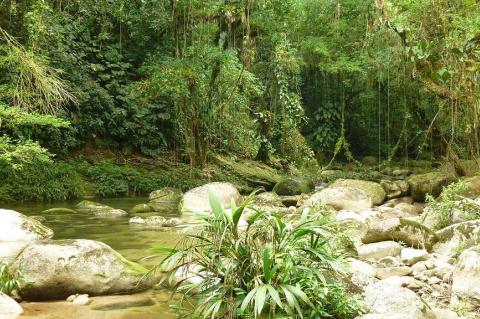
The Santa Marta montane forests ecoregion is a unique and isolated ecosystem in the Sierra Nevada de Santa Marta on Colombia's Caribbean coast. It boasts a rich diversity of plant and animal life, including numerous species found nowhere else on Earth. The ecoregion is characterized by moist forests that ascend from the surrounding xeric scrub and dry forests. Its complex geology, varied microclimates, and altitudinal gradients make it home to a rich tapestry of life.

The Sechura Desert Ecoregion: A Realm of Unexpected Biodiversity and Coastal Contrasts

The western edge of South America, where the towering Andes meet the cool embrace of the Pacific Ocean, is etched with a series of arid landscapes. Among these, the Sechura Desert ecoregion stands out not merely as a barren expanse, but as a surprisingly dynamic and ecologically significant zone. Stretching along the northern coast of Peru and a small portion of southern Ecuador, this ecoregion reveals a unique interplay of hyper-arid conditions, unexpected biodiversity, and the intricate influence of the adjacent marine environment.

The Semi-arid Pampas: Exploring the Biodiversity of Argentina's Plains

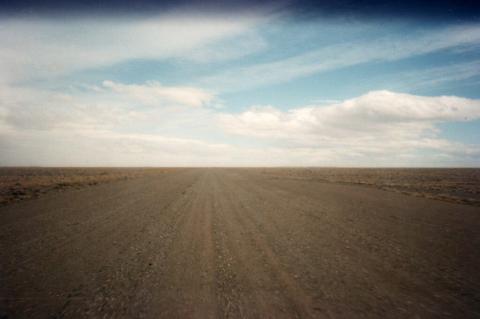
The Semi-arid Pampas ecoregion, nestled in Argentina's heart, spans the Buenos Aires, Pampa, San Luis, and Cordoba Provinces. Forming part of the vast Pampas lowland plains region, this temperate grassland landscape is situated between the Humid Pampas grassland to the east and the drier Argentine Espinal grassland to the west; the Semi-arid Pampas boasts a unique blend of flora and fauna, and geological features.

The Sierra Juarez and San Pedro Martir Pine–Oak Forests: A Coniferous Oasis in Northern Baja California

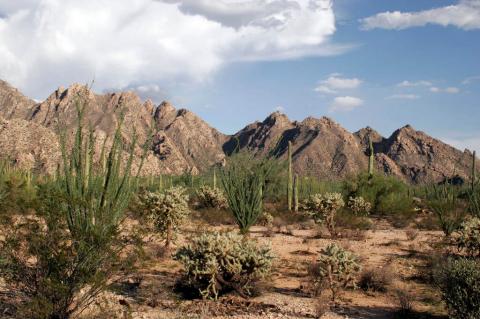
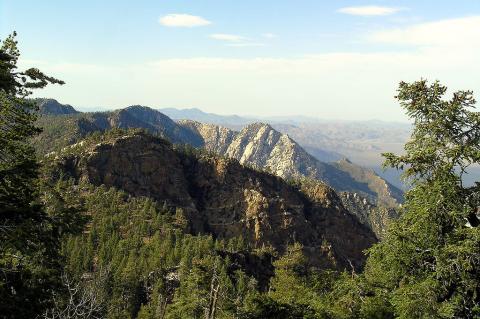
Nestled within the northern reaches of the Baja California Peninsula in northwestern Mexico, the Sierra Juarez and San Pedro Martir pine–oak forests ecoregion is a remarkable temperate coniferous forest biome. This relatively small ecosystem is a unique western counterpart to the "sky islands" found in northern Mexico and southwestern Arizona, rising from the surrounding desert landscapes as an elevational oasis of diverse and endemic species.

The Sierra Madre Occidental Pine–Oak Forests: A Jewel of Mexican Biodiversity

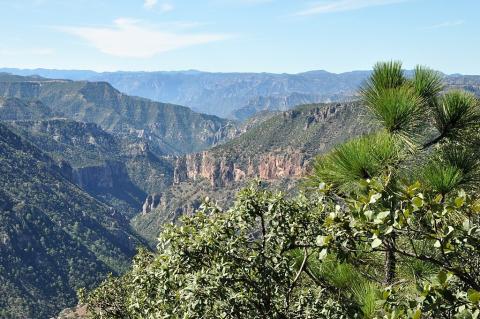
The Sierra Madre Occidental Pine–Oak Forests represent one of Mexico's most significant and ecologically diverse ecoregions. Spanning highland areas of the Sierra Madre Occidental mountain range, these forests host a rich variety of plant and animal species, many of which are endemic to the region. The complex interplay of altitude, climate, and soil types creates a unique environment that supports a dynamic ecosystem.

The Sinú Valley Dry Forests: A Biodiversity Oasis in Northern Colombia

Nestled within the northwestern reaches of the Colombian Andes lies the Sinú Valley dry forests ecoregion, a true marvel of biodiversity. This unique ecosystem serves as a genetic corridor for diverse flora and fauna, situated as a bridge between the Chocó-Darién moist forests and the Magdalena Valley montane forests. From the lush mangroves at sea level to the towering peaks of the Paramillo, the Sinú Valley is a tapestry of interconnected habitats.

The Southern Andean Steppe Ecoregion: A Land of Extremes

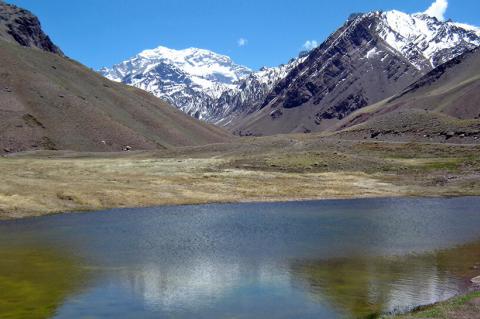
The Southern Andean steppe ecoregion in the high-altitude regions of the southern Andes in Chile and Argentina presents a landscape of stark beauty and harsh environmental conditions. This ecoregion is part of the Montane grasslands and shrublands biome and is characterized by its cold desert climate, sparse vegetation, and unique biodiversity.

The Southern Andean Yungas: A Verdant Oasis in the Andes

Nestled along the eastern slopes of the Andes mountain range, the Southern Andean Yungas ecoregion stands as a lush and mesic haven amidst the arid surroundings of southwestern Bolivia and northwestern Argentina. This tropical and subtropical moist broadleaf forest ecoregion, part of the larger Yungas ecosystem, offers a unique and biodiverse landscape.

The Southern Cone Mesopotamian Savanna: Argentina's Flooded Biodiversity Haven

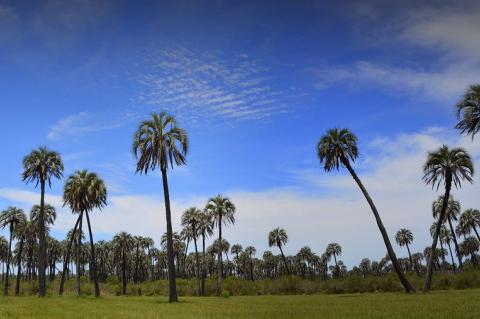
The Southern Cone Mesopotamian savanna, also known as the Argentine Mesopotamian grasslands, is an ecosystem in northeastern Argentina. It combines woodland and grassland, with trees widely spaced apart, allowing for a continuous layer of herbs. Despite its ecological significance, the Southern Cone Mesopotamian savanna is one of the least protected ecoregions in Argentina.