Plate Tectonics / Volcanism

The Mid-Atlantic Ridge: Earth's Dynamic Divide

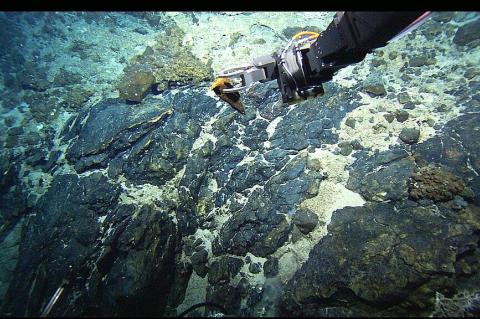
The Mid-Atlantic Ridge (MAR) is one of Earth's most extraordinary natural features. It is a colossal underwater mountain range that winds through the Atlantic Ocean like a vast seam. Extending from the Arctic Ocean in the north to the Southern Ocean in the south, it is the most extended mountain range on the planet and a critical element of Earth's geological dynamics. The ridge plays a vital role in the circulation of ocean currents and the evolution of unique ecosystems.

The Middle America Trench: Where Ocean Floors Collide and Continents Rise

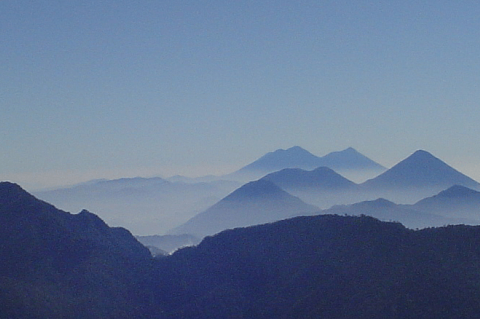
The Middle America Trench represents one of Earth's most dynamic subduction zones, where massive tectonic plates converge in a process that has shaped the region's landscape for millions of years. This extensive underwater canyon naturally divides into two distinct segments: the northern Acapulco Trench following Mexico's curved coastline, and the southern Guatemala Trench extending in a more linear fashion toward Costa Rica.

The Nazca Plate: Engine of Andean Formation

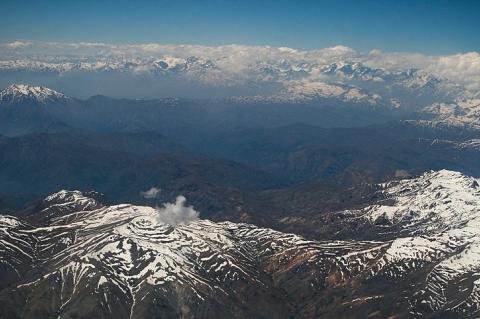
The Nazca Plate, a medium-sized oceanic plate covering approximately 15 million square kilometers (5.8 million square miles), serves as the primary force behind the formation of the Andes Mountains and volcanic activity along South America's western edge. Named after the Nazca region in southern Peru, this entirely oceanic plate illustrates how oceanic-continental convergence gives rise to some of Earth's most impressive geological features.

The North American Plate: Continental Giant of the Northern Americas

The North American Plate, Earth's second-largest tectonic plate covering approximately 76 million square kilometers (29.3 million square miles), underlies most of North America, Greenland, the western Atlantic Ocean, and portions of the Caribbean Sea. This massive continental plate illustrates the intricate interactions between continental and oceanic lithosphere, driving a range of diverse geological processes from the Arctic Ocean to Central America.

The Pacific Plate: The Giant of Global Tectonics

The Pacific Plate, Earth's largest tectonic plate, covers approximately 103.3 million square kilometers (39.9 million square miles) and dominates nearly one-third of the planet's surface beneath the Pacific Ocean. This massive oceanic plate drives many of the world's most spectacular geological phenomena, from the Ring of Fire's volcanic chains to Hawaii's hotspot islands, demonstrating the profound influence of plate tectonics on global geology.

The Peru-Chile Trench: South America's Deepest Frontier and the Bolivian Orocline

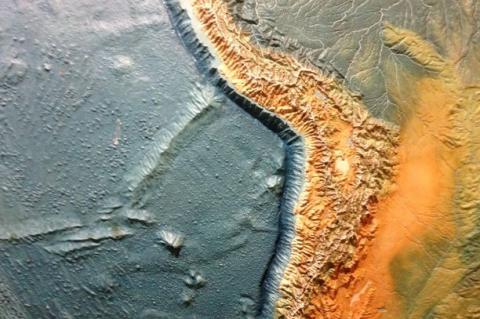
Along South America's western coast lies one of Earth's most spectacular geological features. The Peru-Chile Trench represents the deepest oceanic depression in the South Pacific and serves as the active collision zone where the Nazca Plate slides beneath the South American continent. This submarine canyon, intertwined with the dramatic coastal bend known as the Bolivian Orocline, tells a story of planetary-scale forces that have sculpted the Andes Mountains and continue to shape one of the world's most geologically active regions.

The Puerto Rico Trench: Unveiling the Depths

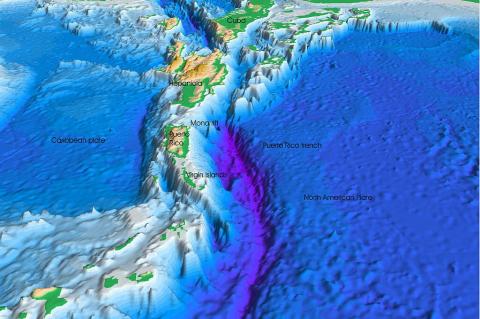
The Puerto Rico Trench is an impressive geological feature situated parallel to Puerto Rico's northern coast beneath the Caribbean Sea and the Atlantic Ocean. It is an underwater depression located on the border between the two vast bodies of water and is notable for its depth and complexity. The deepest point in the Atlantic Ocean, the Milwaukee Depth, can be found at the trench's western end.

The Scotia and South Sandwich Plates: Southern Ocean Tectonic Complexity

The Scotia and South Sandwich plates represent a complex system of small tectonic plates that create a critical geological bridge between Antarctica and South America. Together, these plates demonstrate how minor tectonic entities can generate significant geological features, from the world's most remote volcanic arc to one of the deepest oceanic trenches, while facilitating the connection between the southernmost Andes and the Antarctic Peninsula.

The South American Plate: Foundation of a Continent

The South American Plate forms the geological foundation beneath most of South America and a significant portion of the South Atlantic Ocean seafloor. Despite being the fourth-largest tectonic plate at approximately 43.6 million square kilometers (16.8 million square miles), this continental plate plays a central role in some of Earth's most dramatic geological processes, from the world's longest mountain range to the planet's most extensive oceanic ridge system.

The Trans-Mexican Volcanic Belt: Unveiling Mexico's Geological Marvels

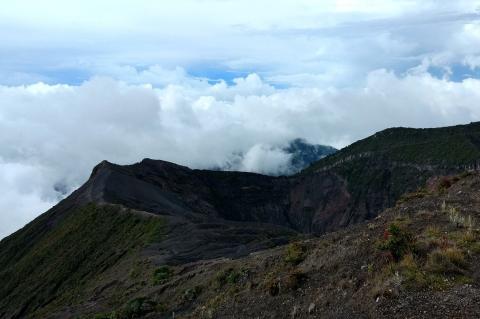
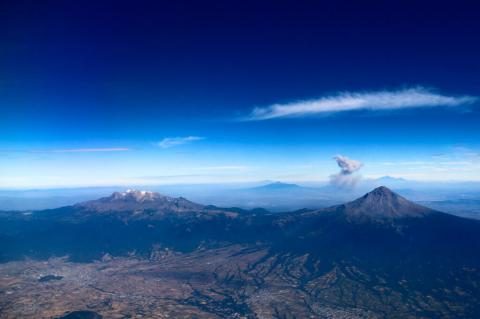
The Trans-Mexican Volcanic Belt, also known as the Cordillera Neo-Volcánica, Eje Volcánico, or Sierra Volcánica Transversal, is a remarkable geological formation that stretches from the Pacific Ocean to the Gulf of Mexico in south-central Mexico. This volcanic belt encompasses an active volcanic arc over a vast area and illustrates the dynamic interplay between tectonic plates that has unfolded over millions of years.