Amazonia

Marajó Archipelago: Brazil's Ecological and Cultural Treasure

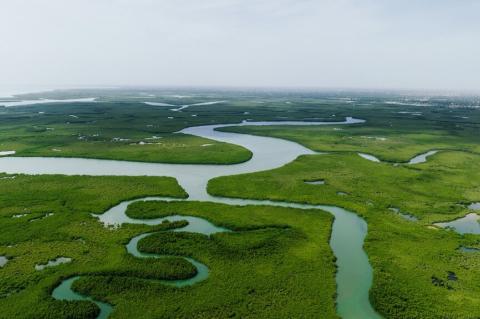
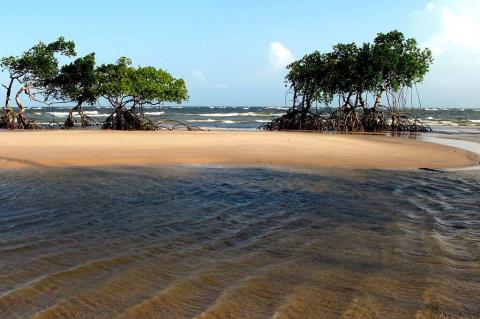
The Marajó Archipelago, the largest fluvial-maritime archipelago on Earth, is a breathtaking expanse in Amapá and Pará in Brazil. This unique and ecologically diverse region stretches from the mouth of the Amazon River to the Atlantic Ocean, encapsulating a myriad of natural wonders and rich cultural history. Renowned for its ecological significance and archaeological treasures, the Marajó Archipelago offers a fascinating glimpse into the intricate interplay between nature and human civilization.

Noel Kempff Mercado National Park: Bolivia's Natural Treasure

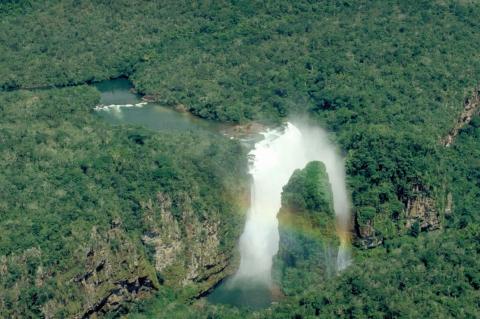
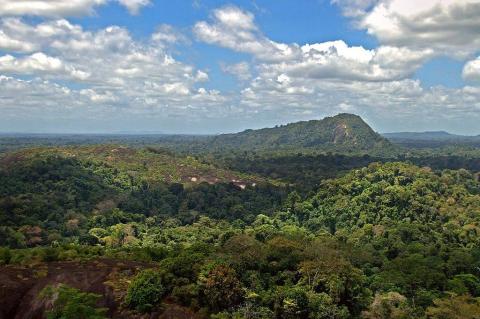
Noel Kempff Mercado National Park, located in the Santa Cruz Department of northeastern Bolivia, is one of the most pristine and expansive protected areas in the Amazon Basin. It is a unique ecological treasure at the confluence of the Amazon rainforest and the Chiquitano dry forests. This remarkable park, recognized as a UNESCO World Heritage Site, offers a glimpse into an evolutionary history that spans over a billion years and boasts an astonishing diversity of flora and fauna.

Parque Arqueológico do Solstício: Brazil's Amazonian Stonehenge

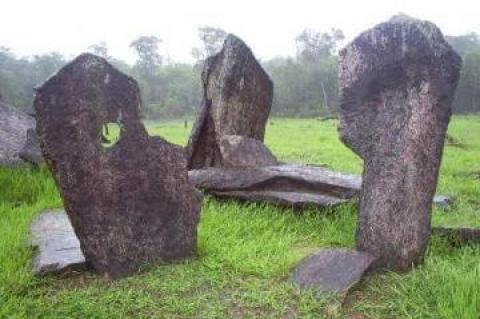
Nestled in the lush landscapes of Amapá state in northern Brazil lies the Parque Arqueológico do Solstício, an enigmatic archaeological site with significant historical and cultural value. Known colloquially as the "Amazon Stonehenge," this pre-Columbian megalithic stone circle offers a glimpse into the sophisticated astronomical knowledge and complex societal structures of ancient indigenous cultures in the Amazon Basin.

Puerto Maldonado: Gateway to the Peruvian Amazon

Puerto Maldonado, a vibrant city nestled in southeastern Peru, is the capital of the Madre de Dios region and a vital gateway to the Amazon rainforest. Known for its rich biodiversity, Puerto Maldonado attracts visitors with its lush landscapes, diverse wildlife, and unique eco-lodges that offer an immersive Amazonian experience. Located near the Tambopata National Reserve and the Manu National Park, the city provides an ideal starting point for exploring one of the most biodiverse ecosystems on Earth.

Purus River: Lifeblood of the Southwestern Amazon

The Purus River is one of the Amazon Basin's significant tributaries, winding its way through the heart of the Amazon Rainforest. Originating in the Ucayali Basin in Peru, the river traverses a vast expanse of wilderness before merging with the Amazon River in Brazil. The Purus River's extensive basin is a vital hydrological and ecological feature of the Amazon, supporting diverse flora, fauna, and human communities.

Serra del Divisor National Park: A Stronghold of Amazonian Biodiversity

Serra del Divisor National Park, a remarkable natural reserve in the Amazon rainforest of Peru, represents one of the most significant conservation areas in the world. This vast park, located along the Peru-Brazil border, connects it with the Serra do Divisor National Park in Brazil, forming one of the largest contiguous protected areas in the Amazon basin. This region, known for its unique geological formations, rich biodiversity, and cultural significance, is crucial in global conservation efforts.

Serra do Divisor: Brazil's Gateway to Amazonian Wilderness

Serra do Divisor National Park, located in the westernmost part of Brazil, is a significant conservation area within the Amazon rainforest near the border with Peru. This protected area is part of the Serra do Divisor mountain range, which forms a natural boundary between Brazil and Peru. Together with the adjoining Serra del Divisor National Park in Peru, it constitutes one of the largest contiguous blocks of protected areas in the Amazon basin.

Tambopata National Reserve: A Biodiversity Hotspot in the Heart of the Peruvian Amazon

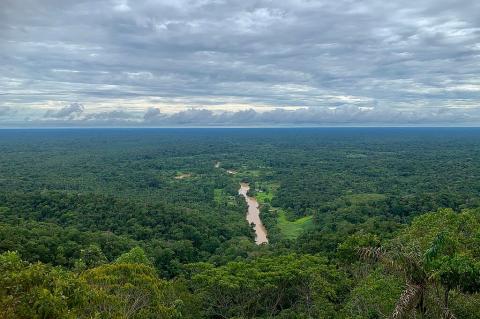
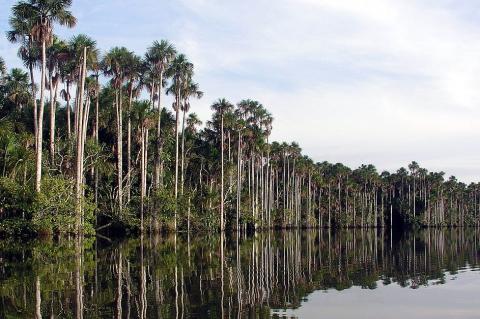
Nestled in the southeastern region of Peru, the Tambopata National Reserve is a remarkable testament to the earth's vast biodiversity. This enormous expanse of subtropical rainforest harbors an extraordinary array of ecosystems, from forested hills and swamps to meandering rivers and oxbow lakes. Established to safeguard the ecological richness of the region, the reserve has become a beacon of conservation, protecting not only the flora and fauna but also the indigenous cultures that have called this land home for generations.

The Amazon River System: Nature's Mightiest Waterway

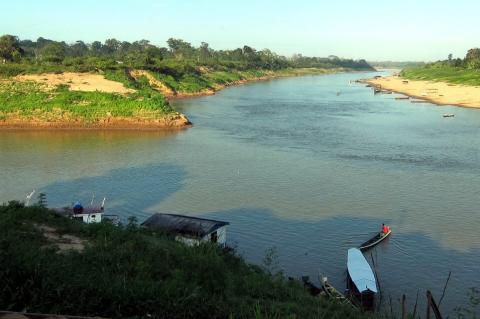
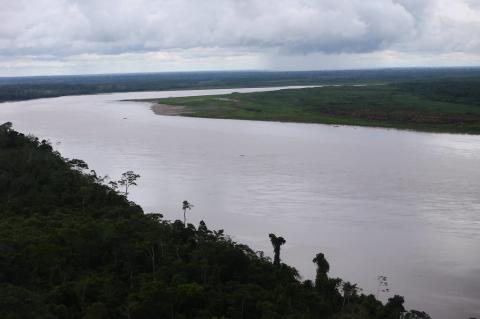
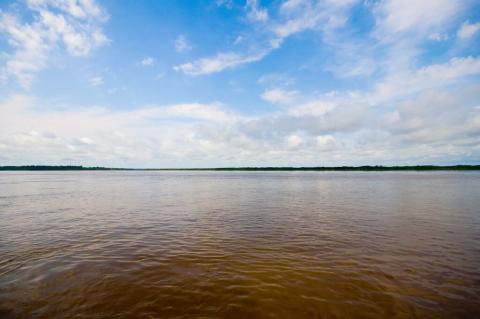
The Amazon River system is Earth's most powerful aquatic network, draining over 1,100 tributaries into a river that empties into the Atlantic. This flow accounts for 15-20% of global freshwater entering oceans, making it vital for ocean circulation and climate. It serves as a highway for life and a driver of weather patterns, transporting nutrients and generating moisture that affects regions from Argentina to North America. From the Peruvian mountains to the Atlantic, this immense waterway shapes landscapes, sustains ecosystems, and connects diverse environments across thousands of kilometers.

The Beni and Mamoré Rivers: Bolivia's Lifelines

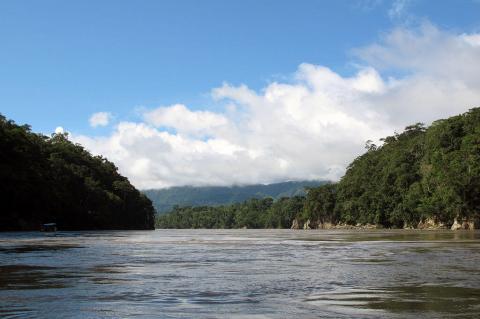
The Beni and Mamoré Rivers, coursing through the heart of Bolivia, are lifelines for both nature and civilization. They shape the landscape and provide sustenance to countless communities along their banks. From their origins in the rugged Andean slopes to their convergence into the mighty Madeira River at Bolivia's northeastern border, these rivers tell a story of resilience, biodiversity, and cultural richness.