Amazonia

Chiribiquete: Crown Jewel of a National Sanctuary

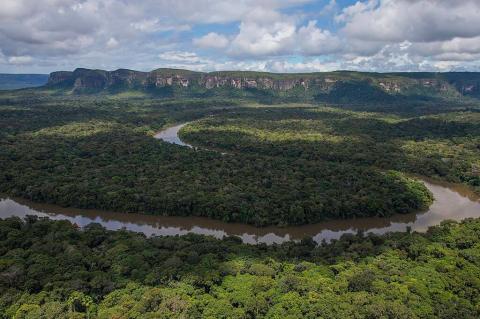
Rising from the Colombian Amazon, the Serranía de Chiribiquete is a breathtaking sandstone plateau, sculpted by nature over millions of years. This rugged mountain range forms the core of Chiribiquete National Natural Park, a protected area of immense ecological and cultural significance. The park is intrinsically linked to the serranía, serving as a vital sanctuary for its unparalleled biodiversity and remarkable archaeological secrets etched onto its rock faces.

Guardians of the Amazon: The Central Amazon Conservation Complex

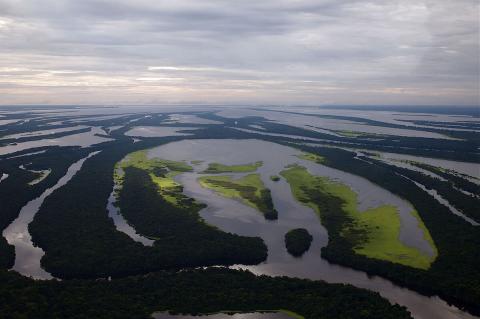
The Central Amazon Conservation Complex is one of Earth's largest and most biologically diverse protected areas. It is located in the heart of the Amazon Basin, west-northwest of Manaus, Brazil; the complex forms the core of the Central Amazon Ecological Corridor. This vast area encompasses some of the most critical ecosystems in Amazonia, representing a wide array of flora and fauna, including numerous endangered and endemic species. This UNESCO World Heritage Site is essential in preserving the ecological integrity of the world's largest tropical rainforest.

Jaú National Park: A Vast and Untouched Amazonian Wilderness

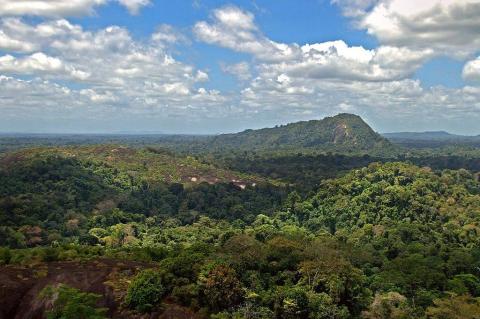
Jaú National Park is one of Brazil's largest and most pristine protected areas in the heart of the Amazon rainforest. Situated in the Amazonas region of northwestern Brazil and recognized as a UNESCO site, Jaú National Park forms part of the Central Amazon Conservation Complex. This vast ecological corridor supports one of the richest biodiverse environments on Earth. This park offers an invaluable refuge for countless species of flora and fauna while playing a crucial role in global conservation efforts.

Juruá River: A Meandering Giant of the Amazon

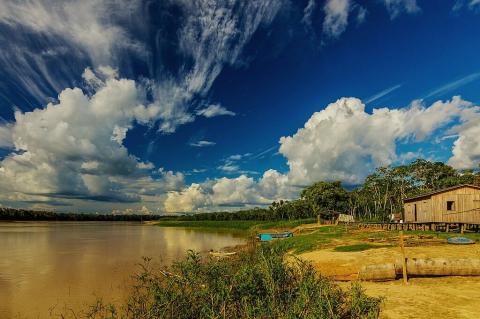
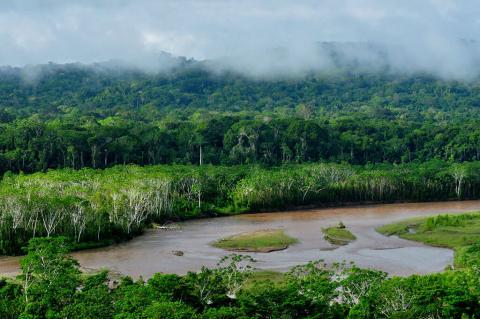
The Juruá River, one of the longest and most winding tributaries of the Amazon River, is a crucial component of the Amazon Basin's intricate hydrological network. Originating in the highlands of Peru and snaking its way through the lowlands of Brazil, the Juruá River plays a vital role in shaping the region's ecology, supporting diverse ecosystems, and influencing the lives of those who inhabit its banks.

Kaieteur Falls: The Power and Beauty of Guyana's Hidden Gem

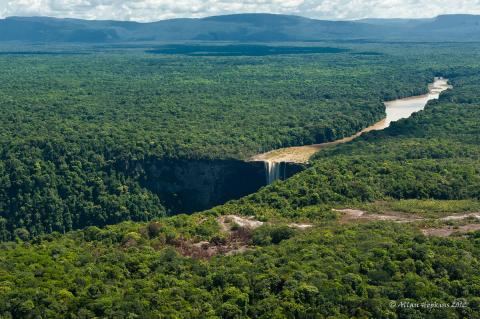
Kaieteur Falls, in the heart of Guyana's Potaro-Siparuni region, is one of the world's most breathtaking natural wonders. Plunging 226 meters from a sandstone plateau into a deep gorge, it is the largest single-drop waterfall by water volume. Surrounded by the lush rainforests of Kaieteur National Park, this iconic feature of the Guyanese landscape attracts thousands of visitors yearly. With a blend of awe-inspiring natural beauty and rich biodiversity, Kaieteur Falls and its national park offer a window into the Guiana Shield's untamed wilderness.

Leticia: Gateway to Colombia's Amazon Heartland

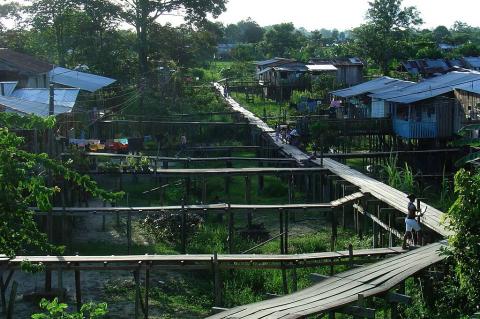
Leticia, a vibrant port town on the Amazon River, lies in the far southern reaches of Colombia, where the borders of Peru, Brazil, and Colombia converge. As the capital of the Department of Amazonas, Leticia blends cultural, historical, and ecological richness. Leticia's geographical, historical, and socio-economic aspects and the broader Department of Amazonas highlight their importance within Colombia and the Amazon Basin.

Llanos de Moxos: A Legacy of Ancient Engineering and Agriculture

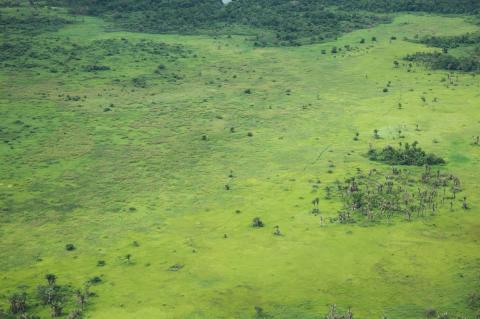
The Llanos de Moxos, located in the Beni Department of northern Bolivia, is one of South America's most significant archaeological regions. It offers an unparalleled window into the lives of pre-Columbian societies that thrived in the tropical savanna. What sets this region apart is its vastness and the extraordinary density of archaeological sites, revealing a sophisticated history of landscape engineering and agricultural innovation.

Madidi National Park: Bolivia's Most Biodiverse Protected Area

Madidi National Park lies in the La Paz department of northwestern Bolivia, where the Andes fall away to the Amazon lowlands across about 19,000 km². Created in 1995, it was surveyed by the Identidad Madidi expedition from 2015 to 2018, which recorded more than 1,000 bird species and over 5,500 plants and flagged 124 candidate new species. Tacana, Ese Ejja, Tsimané, and Mosetén communities live in and around it, while illegal gold mining on the Tuichi River and the proposed Chepete-El Bala dams threaten it.

Manú National Park: Peru’s Great Reserve of Rainforest and Cloud Forest

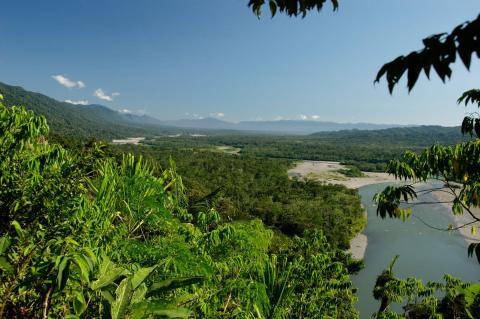
Created in 1973 and covering 1,716,295 hectares (17,163 km²), Manú National Park spans Cusco and Madre de Dios, protecting an entire Amazonian watershed from Andean grassland to floodplain forest. It is a UNESCO Biosphere Reserve and World Heritage Site known for jaguars, giant otters, and exceptional bird diversity, and it is home to Indigenous peoples, some living in voluntary isolation. Its Cocha Cashu research station has drawn scientists since 1969, and roads, gas, mining, and logging press on its edges.

Marajó Archipelago: Brazil's Ecological and Cultural Treasure

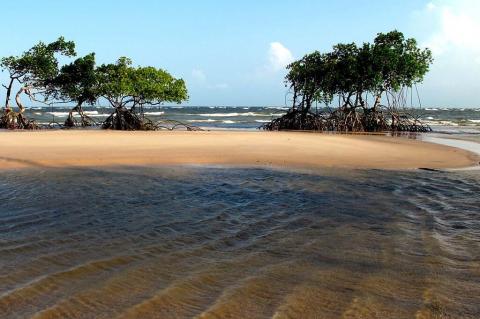
The Marajó Archipelago, the largest fluvial-maritime archipelago on Earth, is a breathtaking expanse in Amapá and Pará in Brazil. This unique and ecologically diverse region stretches from the mouth of the Amazon River to the Atlantic Ocean, encapsulating a myriad of natural wonders and rich cultural history. Renowned for its ecological significance and archaeological treasures, the Marajó Archipelago offers a fascinating glimpse into the intricate interplay between nature and human civilization.