Amazonia

The Beni Savanna: Bolivia's Wetland Wonderland

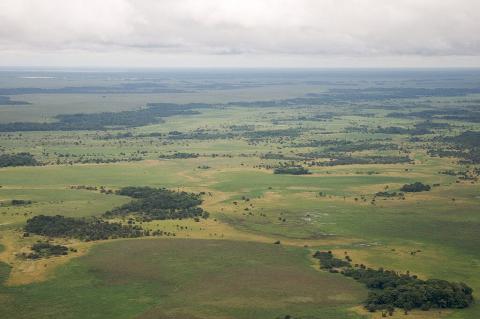
Nestled in the northern lowlands of Bolivia, the Beni Savanna ecoregion unfolds as a vast expanse of tropical savannas, meandering rivers, and a mosaic of wetlands and forest islands at the convergence of four distinct biogeographic regions. This ecological marvel, also known as the Llanos de Moxos, is the third-largest savanna complex in South America, extending its reach into neighboring Brazil and Peru.

The Madre de Dios River: Gateway to the Amazon Basin

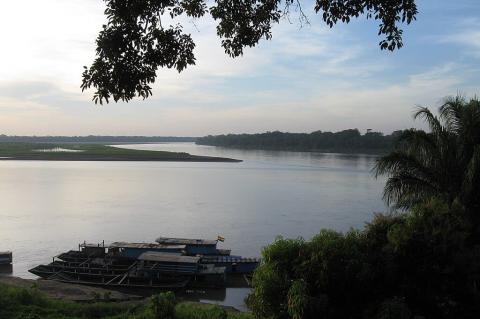
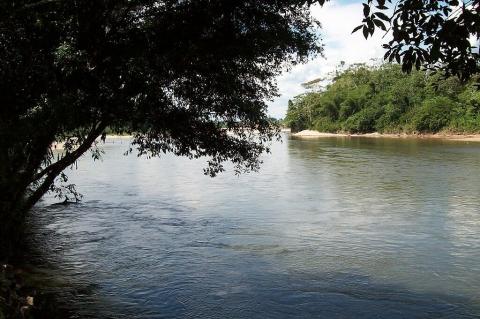
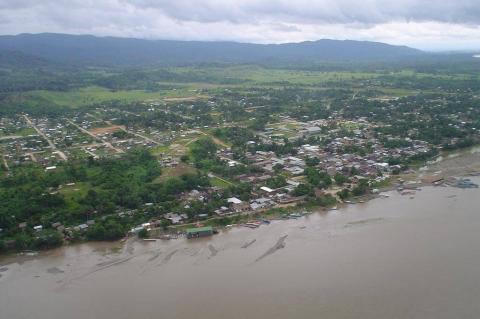
The Madre de Dios River, a vital headwater tributary of the Amazon River, forms an essential part of the Amazon River drainage basin and plays a crucial role in the geography and ecology of Peru and Bolivia. The river, originating in the Andes, flows through vast stretches of tropical rainforest, providing transportation, sustenance, and a lifeline for the sparse populations living along its banks. The river's basin is home to significant biodiversity and supports a variety of ecosystems while also serving as an essential route for the region's Indigenous peoples.

The Marañón River: The Lifeblood of the Amazon's Upper Basin

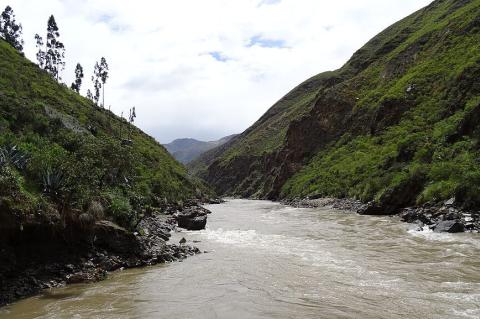
Known as the "Grand Canyon of the Amazon," the Marañón River in Peru is one of South America's most significant waterways. As a principal tributary of the Amazon River, the Marañón shapes the region's geography and serves as a cradle of biodiversity and cultural heritage. It traverses diverse landscapes, from Andean highlands to tropical rainforests, playing a vital role in the ecological and economic life of the region.

The Putumayo River: A Vital Corridor of Life and Culture

Flowing through the dense rainforests of South America, the Putumayo River—known as the Içá River in Brazil—is a lifeline for the Amazon basin. Stretching across Colombia, Ecuador, Peru, and Brazil, this transboundary river is a vital ecological, cultural, and economic resource for the region. Its diverse ecosystems, rich cultural heritage, and pivotal role in local and international trade make it a key feature of South America's natural landscape.

The Río Negro: Majestic Heart of the Amazon

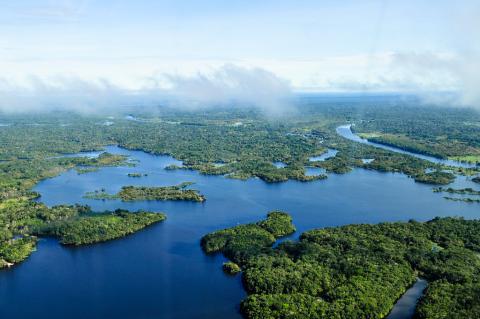
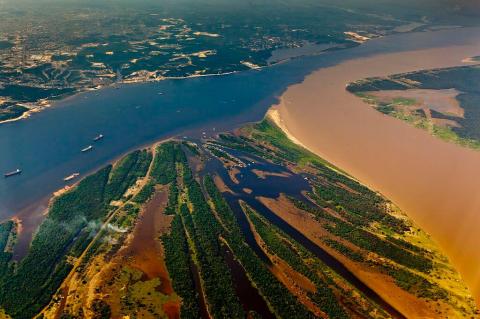
Flowing majestically through the heart of the Amazon rainforest, the iconic Río Negro stands as one of the most significant tributaries of the mighty Amazon River. Renowned for its distinctive blackwater and immense size, the Río Negro is not only a vital component of the Amazon basin but also a captivating natural wonder that draws explorers and adventurers from around the globe.

The Tapajós River: A Lifeline in the Heart of the Amazon

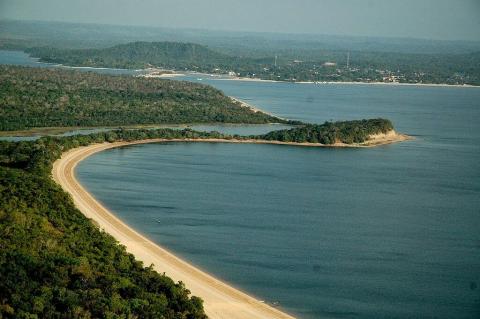
The Tapajós River, one of the major tributaries of the Amazon River, is a vital watercourse in Brazil, flowing predominantly north/northeast through the Amazon Rainforest. It is formed by the union of the Juruena and Teles Pires rivers, both of which originate in the Mato Grosso region. Known as one of the largest clearwater rivers in the world, the Tapajós plays a crucial role in the hydrology, ecology, and economy of the Amazon Basin.

The Ucayali River: A Vital Amazonian Artery of Peru

The Ucayali River flows through the heart of the Peruvian Amazon, winding its way through dense rainforests and remote communities. As one of the primary headwaters of the Amazon River, the Ucayali plays a critical role in South America's ecosystems, shaping the landscapes and providing a lifeline for wildlife and people alike. From its highland origins to its convergence with the Marañón River, where the Amazon River is officially born, the Ucayali River supports unique biodiversity, Indigenous cultures, and ongoing economic activity.

The Xingu River: Lifeblood of the Brazilian Amazon

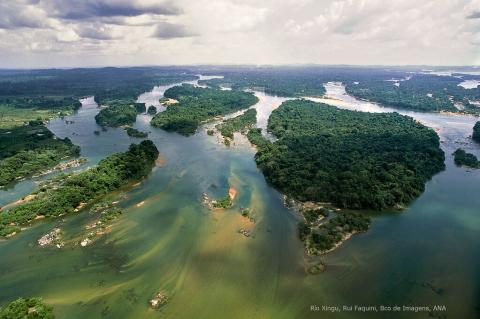
The Xingu River, a major tributary of the Amazon River, flows through the Brazilian Amazon, which is home to one of the world’s most biodiverse ecosystems. It traverses rainforests, savannas, and Indigenous territories, supporting diverse wildlife and the cultural heritage of the Indigenous peoples. As an essential part of the Amazon basin, the Xingu River highlights the beauty of tropical ecosystems, yet it faces significant environmental challenges.

Tocantins-Araguaia River System: A Comprehensive Overview of Brazil's Central Fluvial Network

The Tocantins-Araguaia River system in central Brazil is one of the country's most vital and extensive fluvial networks. Though commonly mistaken as a tributary of the Amazon River, this system is distinct and unique, with its complex hydrological dynamics and significant ecological importance. The river flows northward from the Brazilian Highlands, eventually emptying into the Atlantic Ocean through the Pará River, a distributary channel of the Amazon River delta.

Tumucumaque Mountains National Park: An Untamed Wilderness in the Heart of the Amazon

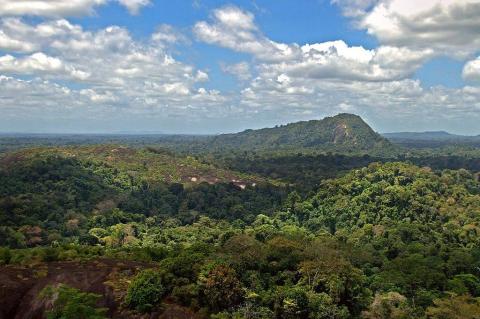
Deep within the vast expanse of the Amazon Rainforest, nestled along the borders of Brazil, French Guiana, and Suriname, lies Tumucumaque Mountains National Park – a true treasure trove of biodiversity and an untamed wilderness that has remained largely untouched by human influence. This park is a testament to nature's incredible richness and resilience, offering a unique window into one of the world's most precious ecosystems.