Costa Rica

Exploring Cahuita National Park: Costa Rica’s Caribbean Jewel

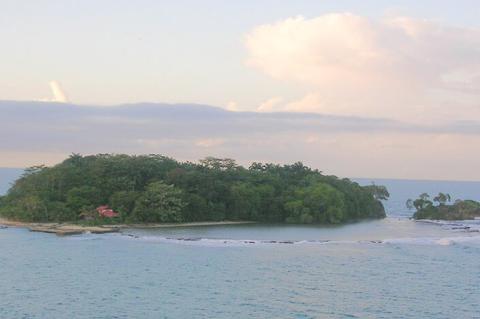
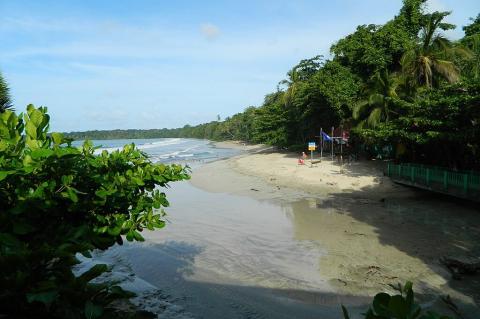
Cahuita National Park, located along Costa Rica's stunning Caribbean coast, is a small yet ecologically rich protected area that is immensely significant for its natural beauty and cultural heritage. Its purpose is to preserve one of the country's most extensive coral reefs and protect the diverse tropical ecosystems that thrive along Costa Rica's Caribbean coastline. Renowned for its biodiversity and historical ties to the Indigenous Bribri people, the park is a testament to the interconnection between natural conservation and cultural preservation.

Exploring the Natural and Cultural Tapestry of the Cordillera Volcánica Central Biosphere Reserve

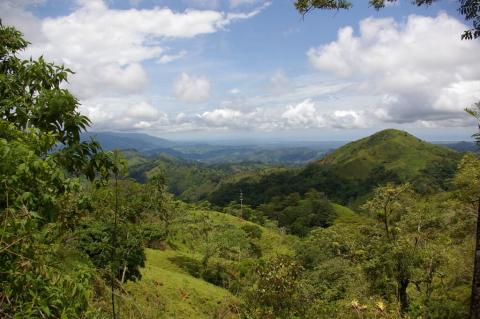
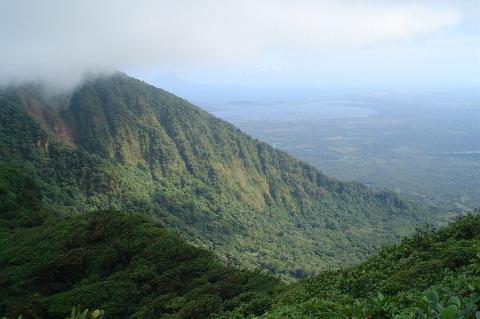
Nestled in the heart of Costa Rica's Central Highlands, the Cordillera Volcánica Central Biosphere Reserve is a testament to the country's rich natural and cultural heritage. Recognized for its immense ecological and cultural significance, the Cordillera Volcánica Central Biosphere Reserve offers a captivating journey through Costa Rica's volcanic heartland, where ancient peaks, dense forests, and vibrant ecosystems converge to create a breathtaking tapestry of natural wonders.

Golfo Dulce, Osa Peninsula, and Coronado Bay: A Haven of Biodiversity in Costa Rica

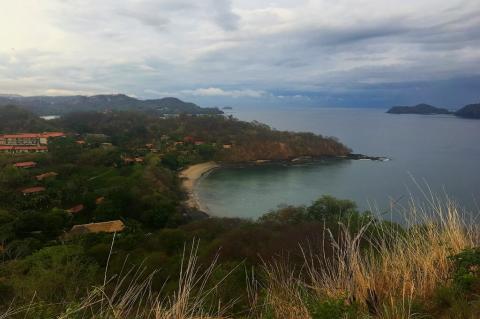
The southern Pacific coast of Costa Rica is home to some of the most ecologically rich and visually stunning landscapes in Central America. The Golfo Dulce, the Osa Peninsula, and Coronado Bay stand out as a triad of natural wonders, each contributing uniquely to the region's biodiversity and environmental significance. The following exploration offers an in-depth examination of their distinct ecosystems, conservation efforts, and role in Costa Rica's broader environmental narrative.

Irazú Volcano: Costa Rica's Colossal Guardian

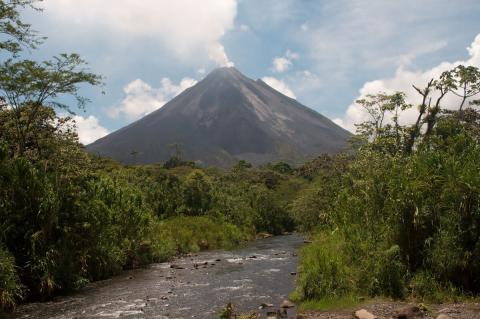
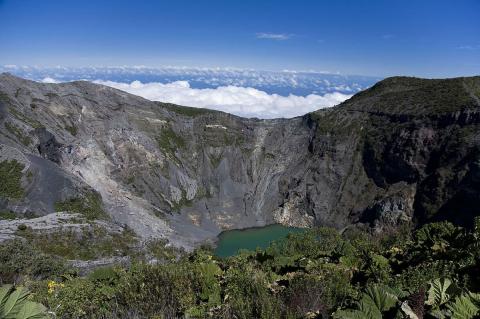
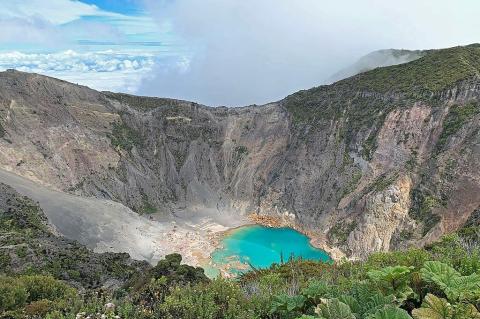
Irazú Volcano, an awe-inspiring active stratovolcano, is a prominent feature in Costa Rica's Cordillera Central. Close to the city of Cartago, this natural wonder is the highest active volcano in the country. Its rich history, significant eruptions, and diverse ecosystems are preserved within the boundaries of the Irazú Volcano National Park, a haven for nature enthusiasts and researchers alike.

La Amistad International Park: A Sanctuary of Nature and Tradition in the Talamanca Mountains

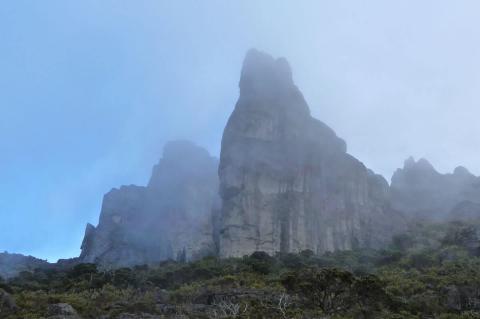
High in the cloud-shrouded peaks of the Cordillera de Talamanca lies one of the most remarkable conservation achievements in the Americas. La Amistad International Park, spanning the Costa Rica-Panama border, is more than a protected area—it's a symbol of international cooperation and a vital component of the Mesoamerican Biological Corridor. Established as the "La Amistad International Peace Park," this UNESCO site protects one of Central America's largest remaining forests, showing how transboundary conservation can transcend political boundaries to preserve shared natural heritage.

Limón: Costa Rica's Vibrant Caribbean Heart

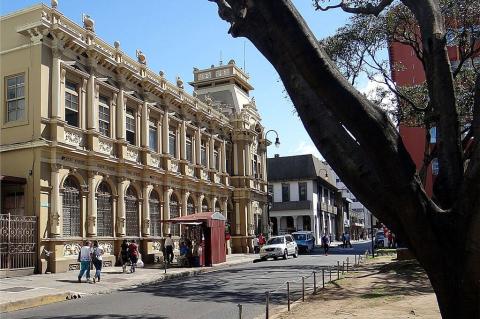
Nestled along Costa Rica's lush Caribbean coastline, Limón is a vibrant confluence of history, culture, and natural beauty. This port city, officially known as Puerto Limón, is more than a logistical hub; it is a cultural treasure shaped by centuries of Indigenous traditions, Afro-Caribbean heritage, and its strategic geographic location. Limón's tropical landscapes, rich biodiversity, and dynamic communities offer an immersive experience that captures the essence of Costa Rica's eastern coast.

Los Quetzales National Park: A Verdant Sanctuary for Costa Rica's Avian Jewel

Nestled within the majestic Talamancan mountain range, Los Quetzales National Park is a testament to Costa Rica's unwavering commitment to preserving its natural heritage. This protected area is a tapestry of rainforests and cloud forests, encompassing a remarkable 14 ecosystems. Named after the resplendent quetzal, this park serves as a vital sanctuary for this avian jewel and many other species that call this verdant oasis home.

Manuel Antonio National Park: Costa Rica's Jewel of Biodiversity

Manuel Antonio National Park is a breathtaking natural sanctuary along the Central Pacific Coast of Costa Rica, where lush tropical forests embrace pristine beaches and a thriving ecosystem. Despite being the smallest of Costa Rica's national parks, this gem in the Central Pacific Conservation Area has become a renowned destination. Its allure lies in its extraordinary biodiversity, stunning landscapes, and the harmonious coexistence of terrestrial and marine environments.

Mesoamerica: Unveiling the Cultural Richness of Middle America

Mesoamerica, a historical and cultural region bridging North and South America, has long been a center of human civilization, innovation, and cultural exchange. The term "Mesoamerica," meaning "Middle America" in Greek, refers to a vast area stretching from south-central Mexico to northern Costa Rica. This region, home to some of the most advanced pre-Columbian societies, features a variety of landscapes and climates that played a crucial role in shaping the development of ancient civilizations.

Mount Chirripó and Chirripó National Park: Costa Rica's Crowning Glories

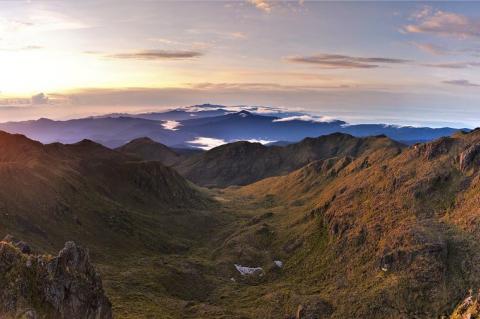
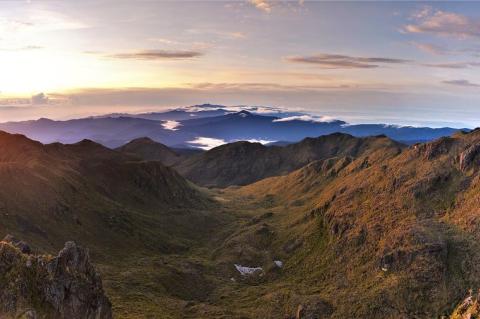
Mount Chirripó (Cerro Chirripó) stands tall as the highest mountain in Costa Rica. This majestic peak is located within the boundaries of the renowned Chirripó National Park, a true gem of ecological wealth and biodiversity. The mountain's name, "Chirripo," meaning "land of eternal waters," was bestowed by Native Americans, aptly reflecting the abundance of lakes and streams that grace its surroundings.