Nicaragua

Managua: The Heart of Nicaragua’s Resilience and Renewal

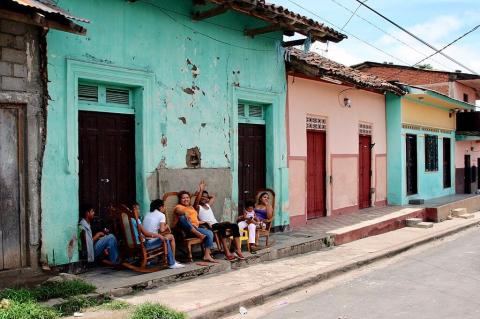
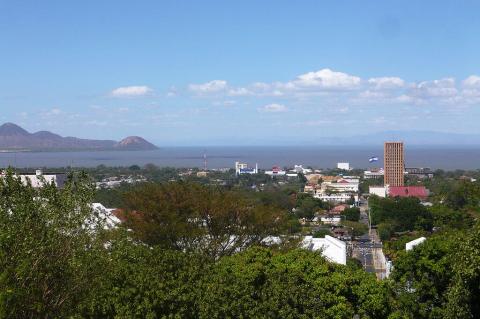
Managua, Nicaragua's bustling capital, is a city of contrasts where history meets modernity, natural beauty blends with urban landscapes, and a vibrant cultural scene thrives amid development challenges. As the country's largest city and political, economic, and cultural hub, Managua offers a unique window into Nicaragua's past, present, and future. Despite its tumultuous history of natural disasters and social upheavals, the city continues to grow and evolve.

Masaya Volcano: Nicaragua's Fiery Natural Wonder

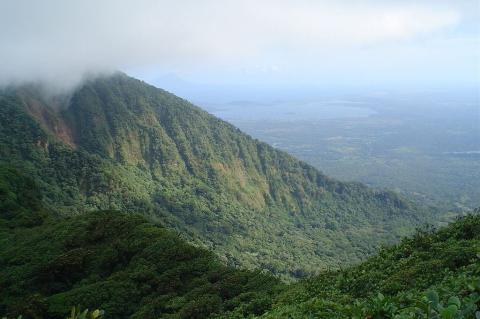
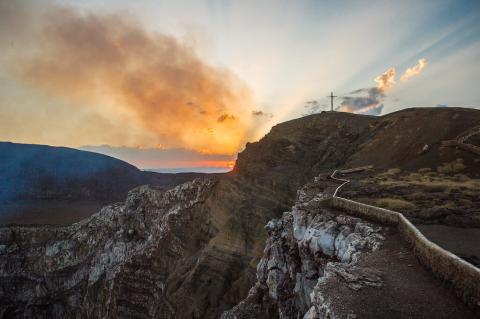
Nestled in the heart of Nicaragua, the Masaya Volcano is a testament to nature's raw power and majesty. This awe-inspiring volcanic complex, one of the 18 distinct centers that comprise the Nicaraguan portion of the Central America Volcanic Arc, offers visitors an up-close encounter with the earth's fiery depths. The Masaya Volcano National Park preserves this geological marvel and provides a sanctuary for the region's diverse flora and fauna.

Mesoamerica: Unveiling the Cultural Richness of Middle America

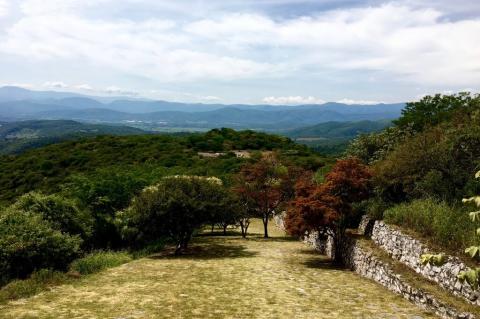
Mesoamerica, a historical and cultural region bridging North and South America, has long been a center of human civilization, innovation, and cultural exchange. The term "Mesoamerica," meaning "Middle America" in Greek, refers to a vast area stretching from south-central Mexico to northern Costa Rica. This region, home to some of the most advanced pre-Columbian societies, features a variety of landscapes and climates that played a crucial role in shaping the development of ancient civilizations.

Ometepe: A Volcanic Gem in Lake Nicaragua

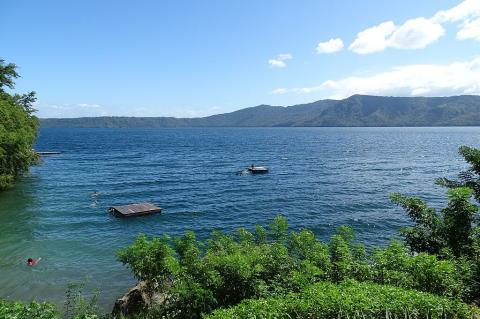
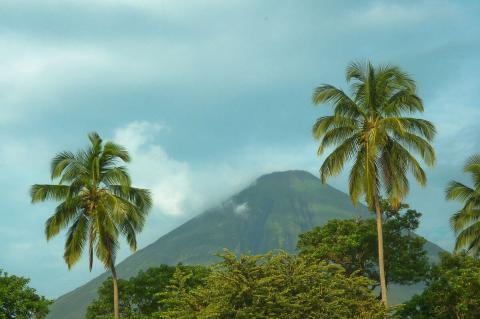
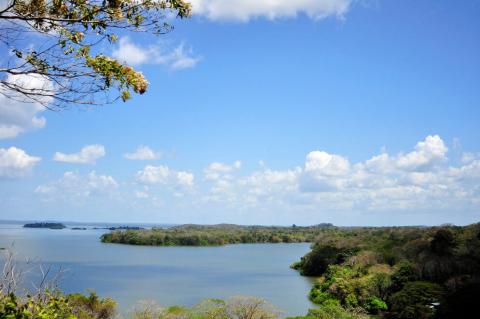
Rising dramatically from the vast expanse of Lake Nicaragua, Ometepe Island is a unique and captivating natural wonder. This island, shaped by two volcanoes, Maderas and Concepción, is a vibrant mosaic of lush forests, diverse wildlife, and rich cultural history. As the largest island in Lake Nicaragua and a UNESCO-designated biosphere reserve, Ometepe is a geological marvel and a vital ecological and cultural treasure. The island’s economy is rooted in agriculture, livestock, and tourism, which thrives amid its stunning landscapes.

Río San Juan Biosphere Reserve: A Nexus of Biodiversity and Cultural Heritage

The Río San Juan Biosphere Reserve in Nicaragua is one of the most vital components of the Mesoamerican Biological Corridor. The expansive reserve, comprising seven protected areas and adjacent territories, is a cornerstone in global conservation. This ecologically diverse region is pivotal in preserving rare and endangered species in the Mesoamerican tropics while safeguarding a rich cultural heritage. The Biosphere Reserve is a natural refuge and a testament to the integration of Indigenous communities and biodiversity preservation.

The Central America Volcanic Arc: Where Ocean Floor Becomes Mountains

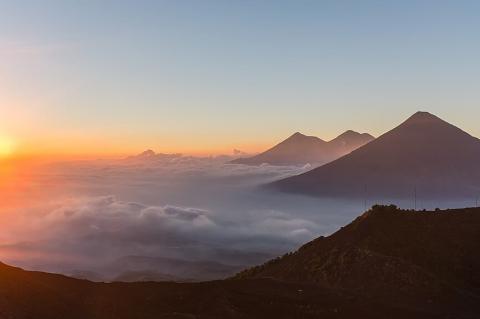
Stretching from Guatemala's volcanic highlands to Panama's Cordillera de Talamanca, the Central America Volcanic Arc represents one of the world's most active and scientifically significant volcanic chains. This geological marvel, also known as the Central Volcanic Range, encompasses more than 70 Holocene volcanoes that have fundamentally shaped the landscape, climate, and human history of Central America. The arc's formation results from the relentless subduction of oceanic crust that transforms seafloor sediments into towering volcanic peaks.

The Fortress of the Immaculate Conception: Nicaragua's Sentinel on the San Juan River

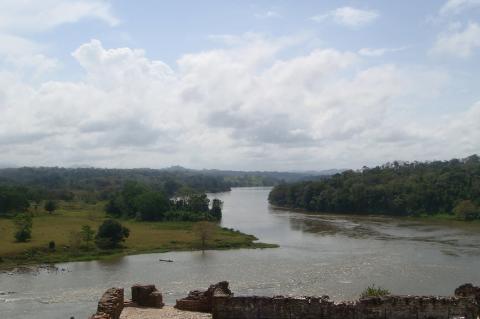
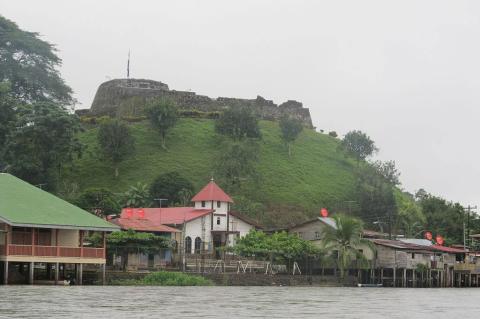
The Fortress of the Immaculate Conception, built by the Spanish between 1673 and 1675 in El Castillo village on a bend of the San Juan River, is one of Nicaragua's most important colonial landmarks. It gained fame through Rafaela Herrera's heroic 1762 defense against a British attack and witnessed Horatio Nelson's 1780 campaign. Now a museum within the Indio-Maíz Biosphere Reserve, it mixes military history, colonial architecture, and rainforest, accessible by boat along the historic river route used by pirates, colonists, and British navies.

The Pan-American Highway: Linking North, Central, and South America

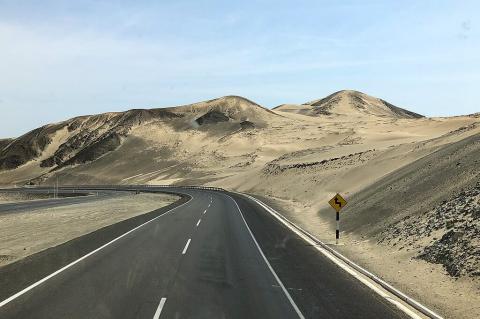
Stretching from the frozen tundras of Alaska to the windswept landscapes of Tierra del Fuego, the Pan-American Highway is a testament to human ingenuity and the indomitable spirit of connectivity. This vast network of roads is one of the most extensive and ambitious transportation systems ever conceived, serving as a vital artery for trade, tourism, and cultural exchange across the Americas. Despite the monumental achievements of the highway, a formidable obstacle remains – the Darién Gap.

The Solentiname Islands: Nicaragua’s Volcanic Archipelago of Art and Nature

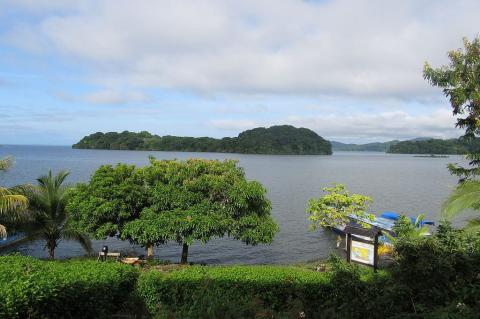
The Solentiname Islands are a serene and picturesque archipelago situated in the southeastern corner of Lake Nicaragua. These islands are renowned for their natural beauty, rich biodiversity, and cultural heritage. They are a haven for wildlife enthusiasts, artists, and those seeking a tranquil escape into nature. The archipelago comprises four main islands and numerous smaller islets, creating a unique environment that blends lush vegetation, volcanic landscapes, and vibrant artistic communities.