Protected Areas in Mexico

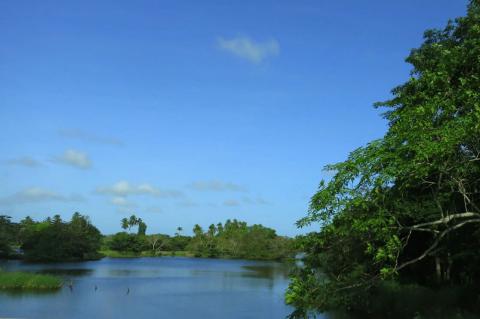
Pantanos de Centla Biosphere Reserve: Mexico's Exquisite Wetland Haven

The Pantanos de Centla Biosphere Reserve, an ecological gem nestled in the heart of Tabasco, southern Mexico, is one of the most crucial wetlands in what was once Mesoamerica. This expansive reserve boasts one of the largest tropical moist forest ecoregions in the Americas. With its seasonally flooded forests, vast wetlands, and critical position at the confluence of the Grijalva and Usumacinta rivers, the reserve has rightfully earned its designation as a Ramsar Wetland of International Importance.

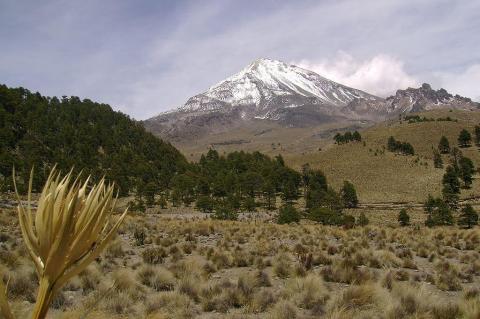
Pico de Orizaba: Mexico's Towering Natural Landmark

Pico de Orizaba, or Citlaltépetl, is the highest peak in Mexico and the tallest volcano in North America. Situated on the border of the Mexican states of Veracruz and Puebla, the inactive stratovolcano rises to an imposing height. Its prominence within the Trans-Mexican Volcanic Belt and its rich history in geological and cultural contexts make it a defining feature of the Mexican landscape. Its glaciers, towering presence, and role in indigenous mythologies further highlight the volcano's significance.

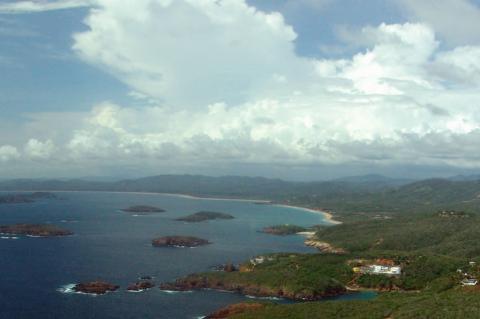
Preserving Mexico's Tropical Dry Forests: The Chamela-Cuixmala Biosphere Reserve

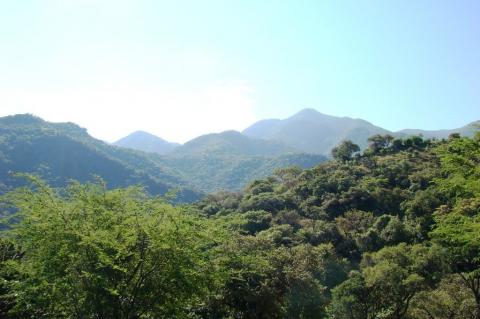
The Chamela-Cuixmala Biosphere Reserve is a rich mosaic of ecosystems located in the state of Jalisco, Mexico. Stretching along the Pacific coast, this reserve protects one of the most biologically diverse landscapes in the Americas. The reserve is named after the town of Chamela, an important historical port, and the Cuixmala River, which serves as a natural boundary. It is renowned for preserving dry and deciduous tropical forests, some of the world's most endangered and ecologically important ecosystems.

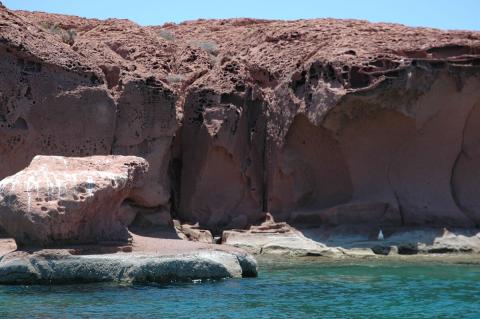
Protecting Paradise: The Islands and Protected Areas of the Gulf of California

The Islands and Protected Areas of the Gulf of California, inscribed as a UNESCO World Heritage Site, includes 244 islands, islets, and coastal areas in northeastern Mexico. Known as "the world's aquarium," this natural paradise faces major threats leading to its listing as a World Heritage site in danger, especially due to the critically endangered vaquita. The site highlights extraordinary biodiversity and the urgent need for global conservation efforts, symbolizing natural wonder and the challenges of preserving marine ecosystems today.

Revillagigedo Archipelago: Mexico’s Hidden Natural Treasure

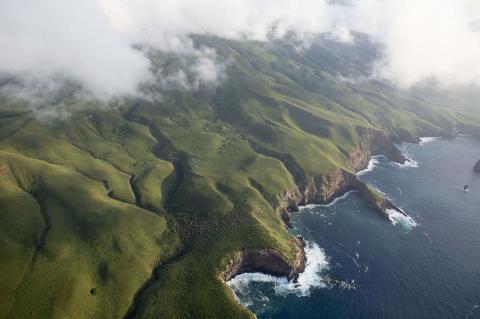
The Archipiélago de Revillagigedo, located in the eastern Pacific Ocean, is a remarkable natural treasure. South-southwest of the Baja California Peninsula and west-southwest of Cape Corrientes on the Mexican mainland, this archipelago consists of volcanic islands declared a Marine Reserve and a National Park. They are recognized as a UNESCO World Heritage Site, reflecting its global significance. The four islands and their surrounding waters form a unique and pristine ecosystem.

Sian Ka'an: Mexico’s Hidden Ecological and Cultural Gem

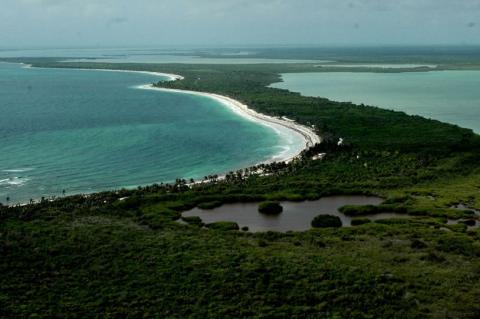
On the eastern edge of the Yucatán Peninsula lies one of the world's most ecologically diverse and culturally significant areas—the Sian Ka'an Biosphere Reserve. Its name, meaning "Origin of the Sky" in the Mayan language, reflects the ancient reverence for this region, where the sea meets the sky in a magnificent display of natural beauty. Stretching across marine, coastal, and terrestrial ecosystems, Sian Ka'an is a sanctuary for rare and endangered species and a testament to the ecological and cultural wealth of the Yucatán.

Sierra de Huautla: A Sanctuary for Mexico's Endemic Species

The Sierra de Huautla Biosphere Reserve, located in the Balsas River basin of south-central Mexico, is a critical conservation area encompassing diverse ecosystems and species. This mountainous region, a southern extension of the Trans-Mexican Volcanic Belt, is recognized for its varied topography. The reserve's diverse habitats make it a significant reservoir of endemic species, contributing to Mexico's status as one of the world's most biodiverse countries.

Sierra de Manantlán: Preserving Mexico's Natural and Cultural Heritage

The Sierra de Manantlán Biosphere Reserve in western Mexico is a unique natural sanctuary renowned for its ecological and cultural significance. Encompassing a vast expanse of diverse habitats, this Reserve straddles the transition zone between the Nearctic and Neotropical biogeographic realms, incorporating sections of the majestic Sierra Madre del Sur. Its strategic location and varied topography contribute to its critical role in preserving Mexico's rich biodiversity.

Sierra de San Pedro Mártir National Park: A Sky Island in Baja California

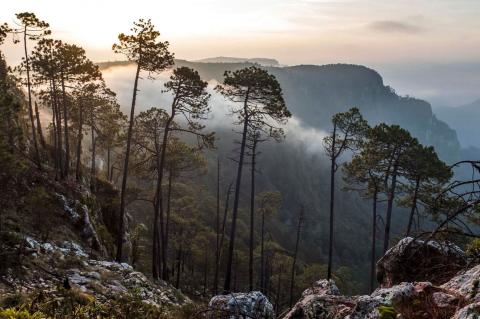
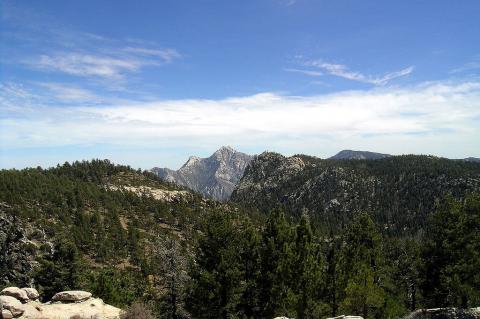
Nestled within the rugged Peninsular Ranges of northwestern Mexico, Sierra de San Pedro Mártir National Park is a remarkable natural oasis—an actual "sky island" where unique and endemic species thrive amid the arid landscapes of the Baja California Peninsula. This national park is a haven for outdoor enthusiasts, offering diverse natural wonders, from snow-capped peaks to verdant pine forests and granite rock formations.

Sierra La Laguna Biosphere Reserve: A Haven of Biodiversity in Baja California

The Sierra La Laguna Biosphere Reserve, located in the southern part of Mexico's Baja California Peninsula, is a remarkable sanctuary of biodiversity nestled within the Sierra de la Laguna mountain range. This extensive reserve, part of the Peninsular Ranges System, is characterized by its unique ecosystems and significant hydrological importance. The reserve is a vital conservation area that supports a wide variety of endemic species.