Protected Areas in Mexico

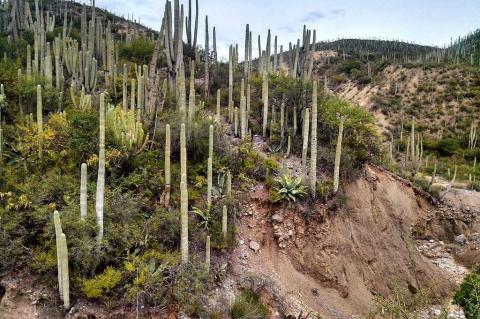
Tehuacán-Cuicatlán Valley: A Nexus of Ecology and Culture

The Tehuacán-Cuicatlán Valley in southern Mexico showcases the intricate interaction between human societies and the environment. It is a UNESCO Biosphere Reserve and a World Heritage Site, known for its biodiversity, ancient agricultural practices, and enduring Indigenous traditions. Spanning the states of Puebla and Oaxaca, this valley offers a profound glimpse into the ecological and cultural wealth that has shaped the region for millennia.

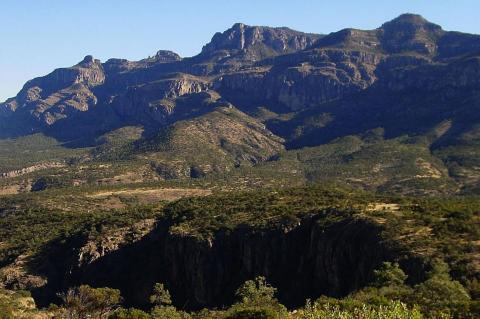
The Enchanting Wilderness of La Michilía Biosphere Reserve

Nestled within the magnificent Sierra Madre Occidental in Mexico lies the captivating La Michilía Biosphere Reserve. This natural haven is a testament to the region's remarkable biodiversity and the enduring efforts to protect its ecological treasures. From towering pine and oak forests to serene meadows and ephemeral streams, the La Michilía Biosphere Reserve is a true oasis of tranquility in the heart of the Mexican countryside.

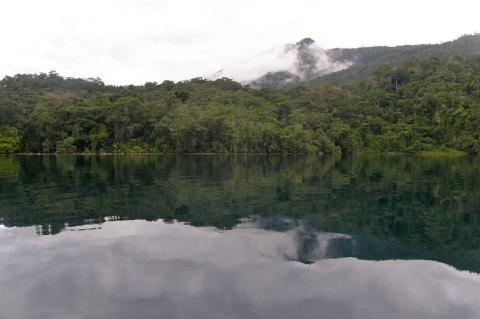
The Lacandón Forest and Montes Azules Biosphere Reserve: A Critical Link in Mesoamerica's Green Corridor

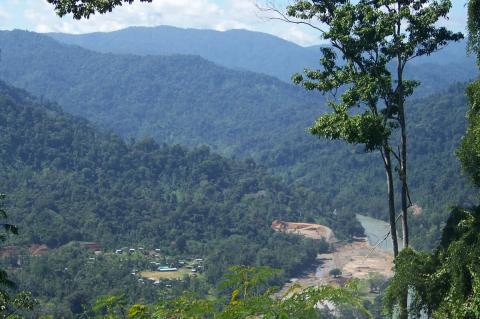
In southeastern Mexico, the Lacandón Forest, also known as Selva Lacandona, is a vital part of North America's natural treasures. More than a tropical rainforest, it serves as a crucial link in the Mesoamerican Biological Corridor, which spans from Mexico to Panama, connecting protected areas across eight nations to preserve biodiversity and ecological connectivity. Within its boundaries, the Montes Azules Biosphere Reserve is one of Mexico's most biodiverse areas, with ecosystems largely unchanged since the Classic Maya era over a millennium ago.

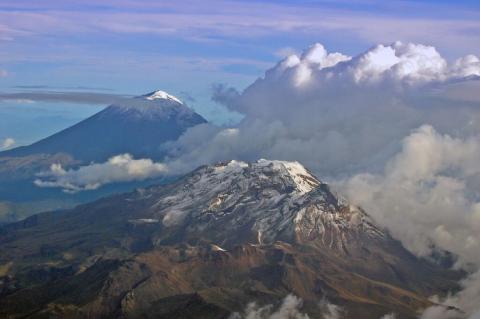
The Los Volcanes Biosphere Reserve: Protecting Mexico's Volcanic Heart

Rising from the central Mexican highlands, two legendary volcanic peaks dominate the landscape with their physical presence and cultural significance. Popocatépetl, the "Smoking Mountain," and Iztaccíhuatl, the "Sleeping Woman," stand as guardians of the Trans-Mexican Volcanic Belt, their snow-capped summits visible from Mexico City on clear days. These iconic volcanoes form the core of the Los Volcanes Biosphere Reserve, which also includes Izta-Popo Zoquiapan National Park and a remarkable diversity of ecosystems shaped by volcanic activity.

The Majestic Cumbres de Monterrey National Park and Biosphere Reserve

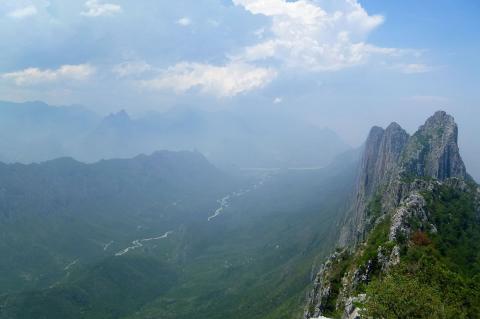
Cumbres de Monterrey National Park and Biosphere Reserve is a protected area in northeastern Mexico. It safeguards the native flora and fauna from the urbanization of Monterrey city. This park is a UNESCO Biosphere Reserve known for its unique biodiversity. It has diverse ecosystems, including mountain peaks, canyons, waterfalls, and temperate forests. The park is part of the more extensive American Cordillera mountain range.

The Midriff Islands and San Lorenzo Marine Park: A Gulf of California Sanctuary

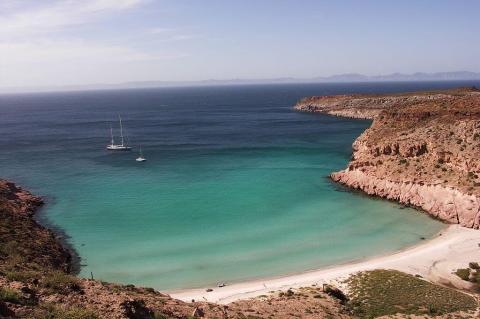
In the northern Gulf of California, where the desert meets the sea, lies one of Mexico's most ecologically significant marine reserves: San Lorenzo Marine Archipelago National Park. This protected region is part of the renowned Midriff Islands, encompassing islands and maritime borders. It plays a vital role in preserving the marine biodiversity of the Gulf. Nestled between Baja California's eastern coast and the deep waters of the Sea of Cortez, the park is a sanctuary for endangered species and an essential component of the Gulf's fragile marine ecosystem.

The Sierra del Carmen and Maderas del Carmen Biosphere Reserve: Mexico's Hidden Ecological Treasures

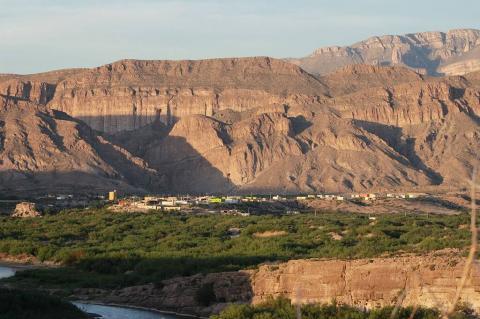
The Sierra del Carmen and the Maderas del Carmen Biosphere Reserve represent two of Mexico's most ecologically rich and unique regions. Nestled in the northern state of Coahuila, these areas are part of the more extensive Sierra Madre Oriental range and serve as vital refuges for a diverse array of flora and fauna. An in-depth exploration of these areas reveals their geographical, climatic, and ecological characteristics.

The Underwater Oasis of Banco Chinchorro Biosphere Reserve

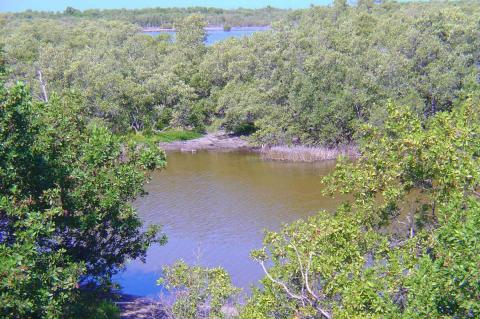
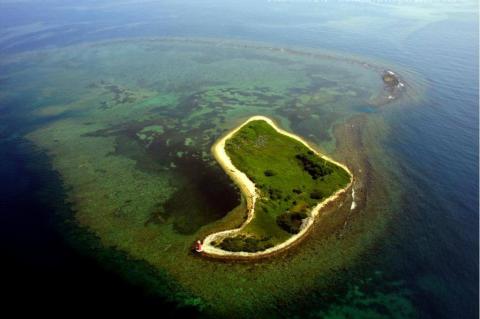
Nestled in the southeastern corner of the Yucatán Peninsula, the Banco Chinchorro Biosphere Reserve stands as a remarkable gem in Mexico's network of protected natural areas. This mosaic of open water, seagrass beds, mangroves, sandy beaches, and vibrant coral reefs is considered one of the most outstanding marine sites in the region. Isolated and well-preserved, Banco Chinchorro represents a true haven for diverse aquatic life and a sanctuary for the delicate ecosystems that thrive beneath the waves.

Unveiling Nature's Grandeur: Exploring the Barranca de Metztitlán Biosphere Reserve

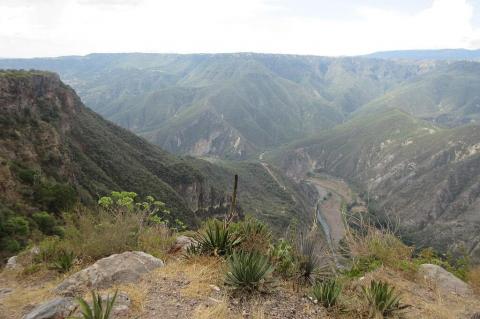
Nestled in the heart of the Hidalgo Sierra Baja region of central Mexico, the Barranca de Metztitlán Biosphere Reserve stands as a testament to the raw power of nature and the resilience of life in even the most unforgiving landscapes. This protected natural area is a tapestry of dramatic scenery, where deep, winding canyons carved by ancient rivers intersect with towering cliffs and distinctive flora and fauna adapted to thrive in this semi-arid realm.

Veracruz Reef System: Guardians of Marine Biodiversity

The Veracruz Reef System, encompassing the Veracruz Reef System National Park (NPVRS) and the Sistema Arrecifal Veracruzano Biosphere Reserve, is a vital marine sanctuary in the Gulf of Mexico. This expansive region, rich in biodiversity and ecological significance, plays a crucial role in environmental regulation, fisheries, and marine life conservation. Situated off the coast of Veracruz, the area is a cornerstone for ecological balance and human livelihoods.