Protected Areas in South America

Conguillío National Park and Araucarias Biosphere Reserve: A Volcanic Wonderland of Araucaria Forests

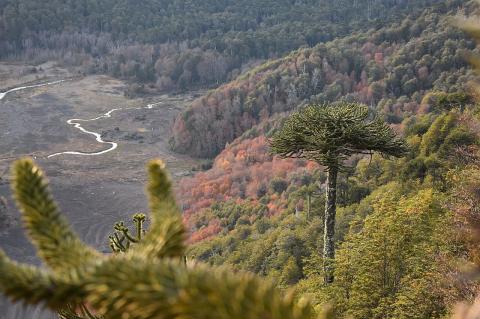
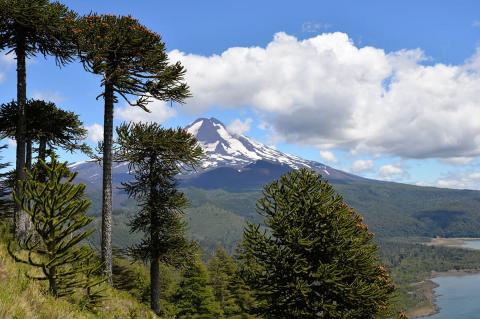
Deep in the heart of Chile's La Araucanía Region, where the majestic Andes meet the temperate rainforests of the south, lies a natural treasure trove that has captured the imagination of explorers and scientists alike. The Conguillío National Park and the Araucarias Biosphere Reserve form a breathtaking landscape of volcanic grandeur, ancient forests, and a rich tapestry of biodiversity that is truly unique to this corner of the world.

Conserving the Galápagos: Protected Areas and Their Impact

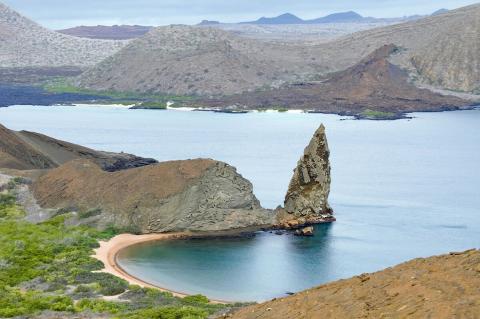
The Galápagos Islands, an archipelago of volcanic islands in the Pacific Ocean, are renowned for their unique biodiversity and historical significance in shaping Charles Darwin's theory of evolution. Three main protected areas have been established to preserve this natural wonder: Galápagos National Park, the Galápagos Marine Reserve, and the Galápagos Biosphere Reserve. Each area is critical in safeguarding the islands' unique flora and fauna.

Cotacachi Cayapas: A Sanctuary for Nature and Culture in Ecuador

Nestled in the heart of the Ecuadorian Andes, the Cotacachi Cayapas Ecological Reserve stands as a testament to the region's extraordinary natural and cultural diversity. This expansive reserve extends across the provinces of Imbabura and Esmeraldas, encompassing a wide range of ecosystems—from the high-altitude páramo to the dense tropical rainforests. The Cotacachi Cayapas Ecological Reserve is a haven for a multitude of plant and animal species, as well as the Indigenous communities who call this land home.

Cotopaxi National Park: Ecuador’s Iconic Volcano and Ecological Marvel

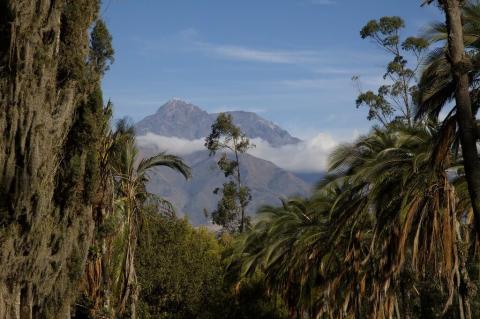
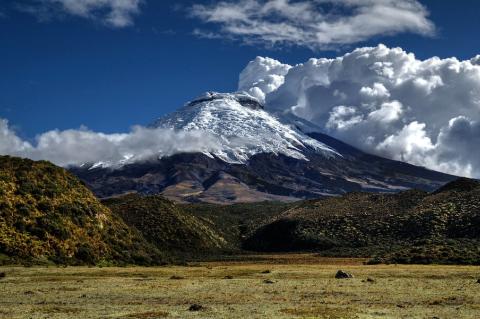
Situated in the heart of the Ecuadorian Andes, Cotopaxi National Park is a testament to Ecuador's dedication to preserving its unique natural heritage. The park is famous for being the home of the iconic Cotopaxi Volcano, one of the world's most impressive stratovolcanoes. Due to the park's varying altitudes, it boasts distinct ecological zones, each supporting species that have adapted to the challenging, high-altitude conditions. The park's breathtaking landscapes, diverse ecosystems, and remarkable volcanic formations make it a magnet for nature enthusiasts, adventurers, and scientists.

Cutervo National Park: A Peruvian Andean Sanctuary of Biodiversity and Ancient Wonders

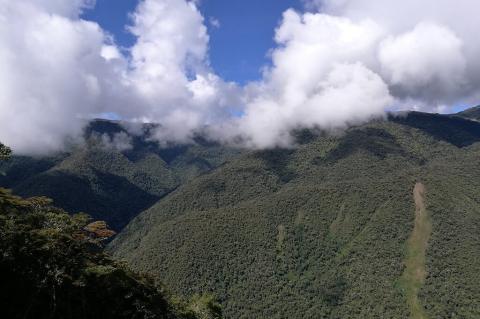
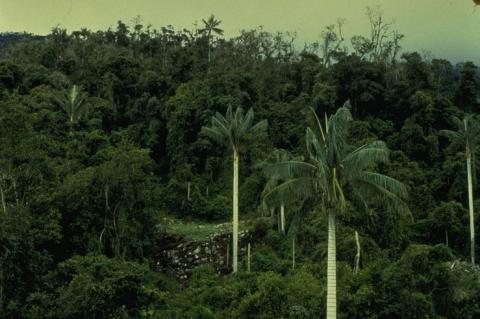
Nestled in the northern Peruvian Andes, Cutervo National Park stands as a treasured sanctuary where the rugged beauty of the mountains intertwines with a tapestry of biodiversity and ancient heritage. As Peru's oldest protected area, this remarkable park encompasses diverse ecosystems, each with its unique character and inhabitants. The park protects the last remaining cloud forests of Cajamarca, Andean montane forests, and páramo regions crucial for headwater conservation.

Darién Norte Chocoano: Colombia's Ecological and Cultural Treasure

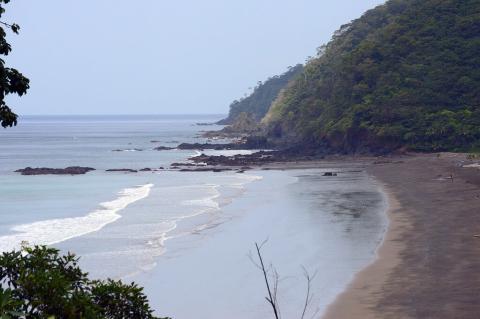
Nestled along Colombia's northwest coast, the Darién Norte Chocoano Biosphere Reserve is one of the country's most significant ecological and cultural treasures. This extensive biosphere reserve encompasses diverse ecosystems, from lush rainforests to vital marine areas stretching into the Gulf of Urabá. Not only a sanctuary for countless species, the reserve also preserves historical landmarks from one of the earliest Spanish settlements in the Americas.

Delta del Paraná Biosphere Reserve: A Vital Hub of Biodiversity and Culture

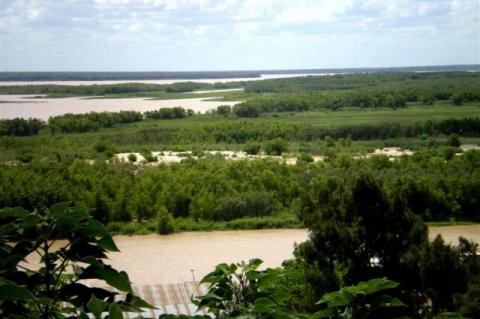
The Delta del Paraná Biosphere Reserve is a vital ecological and cultural landscape in northeastern Argentina just north of Buenos Aires. Encompassing the second and third sections of the Islands of the San Fernando Delta, this biosphere reserve plays a crucial role in preserving the rich biodiversity and unique ecosystems of the Paraná Delta region. The Biosphere Reserve includes a range of habitats, from flooded riverbeds and low forests to relict Monte Blanco forest areas.

Duida-Marahuaca National Park: A Haven of Tepuis and Biodiversity

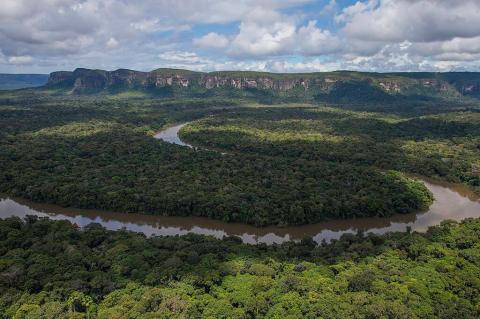
Duida-Marahuaca National Park, located in the Venezuelan Amazon, is a stunning protected area renowned for its towering tepuis and remarkable biodiversity. The park is part of the larger Alto Orinoco-Casiquiare Biosphere Reserve. It is named after two prominent tabletop mountains, Cerro Duida and Cerro Marahuaca, which dominate the landscape and form part of the Duida-Marahuaca Massif. With their unique ecosystems, these tepuis are home to many endemic species, making the park a critical site for biodiversity conservation and scientific research.

Easter Island: Unveiling the Mysteries of Rapa Nui

Easter Island, known locally as Rapa Nui, is remote and enigmatic in the southeastern Pacific Ocean. This Chilean territory, famous for its colossal stone statues called moai, offers a fascinating glimpse into Polynesian culture and human ingenuity. The island's rich archaeological heritage and unique ecosystem make it a site of immense cultural and scientific importance, recognized globally through its designation as a UNESCO World Heritage Site.

Ecological Wonders of Northern Colombia: A Deep Dive into the Ciénaga Grande and Isla de Salamanca

Nestled in southwestern Ecuador, the Macizo del Cajas Biosphere Reserve includes a range of ecosystems from high mountains to coastal and marine areas along the Pacific. The Reserve's core zone is El Cajas National Park, with the Quimsacocha National Recreation Area playing a crucial role in water provision and regulation. The Reserve features four major ecosystem types: páramo, montane forest, cloud forest, and mangroves, each contributing to its remarkable biodiversity.