Protected Areas in South America

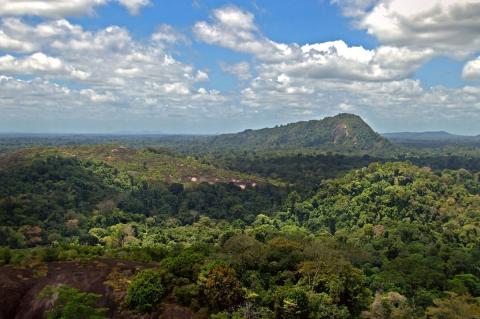
Guardians of the Guiana Shield: The Central Suriname Nature Reserve

The Central Suriname Nature Reserve is a pristine expanse of tropical wilderness in west-central Suriname, representing one of the largest protected areas in the world. This vast reserve links three preexisting nature reserves—Raleighvallen, Eilerts de Haan, and Tafelberg—creating an ecological sanctuary of immense significance. Covering approximately eleven percent of Suriname's national territory, the Central Suriname Nature Reserve is a haven for biodiversity and a living testament to the region's rich natural and cultural heritage.

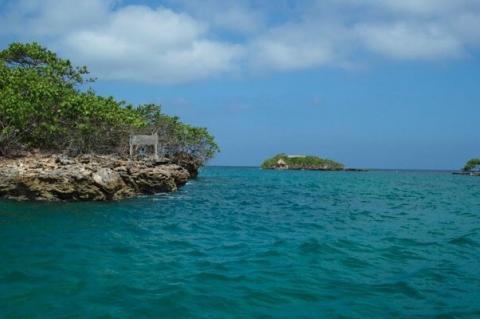
Hidden Treasures of the Caribbean: The Rosario and San Bernardo Islands

The Rosario and San Bernardo Islands, situated off Colombia's Caribbean coast, are a stunning collection of small islands renowned for their natural beauty and biodiversity. These islands, surrounding coral reefs, and underwater ecosystems form the Rosario and San Bernardo Corals National Natural Park. The islands and their ecosystems support a wide variety of marine life and serve as popular tourist destinations due to their pristine beaches and vibrant underwater landscapes.

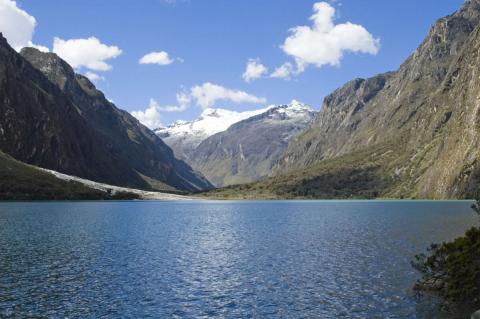
Huascarán National Park: A Sanctuary of Biodiversity and Human History

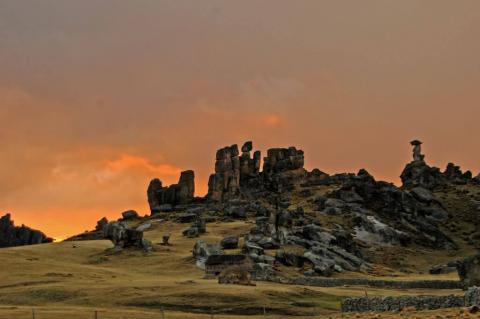
Huascarán National Park and its extension as the Huascarán Biosphere Reserve, located in the Ancash region of Peru, are natural sanctuaries and cultural treasures. Spanning an extensive area, the park and reserve are strategically positioned along the Cordillera Blanca, the world's highest tropical mountain range. This area is significant for its breathtaking landscapes and diverse ecosystems and its rich cultural heritage.

Huerquehue National Park: A Verdant Oasis in Chile's Andean Foothills

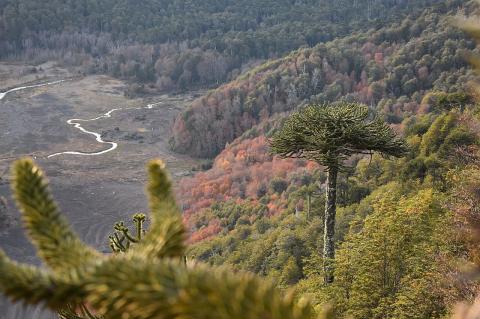
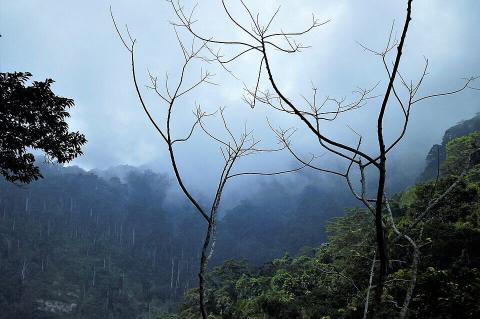
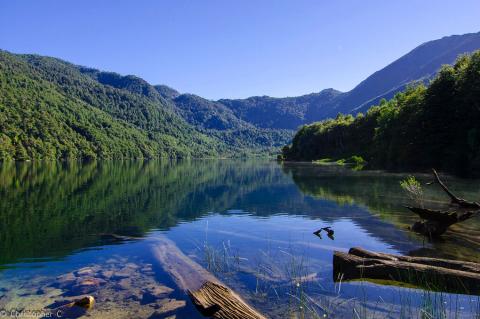
Nestled in the lush, mountainous terrain of Chile's La Araucanía region, Huerquehue National Park stands as a verdant oasis. Ancient Araucaria forests, crystal-clear lakes, and rushing streams converge in a breathtaking display of nature's majesty. This protected area beckons adventurers and nature enthusiasts to immerse themselves in its pristine landscapes and discover its rich tapestry of biodiversity.

Iguaçu Falls: Brazil’s Thunderous Natural Wonder

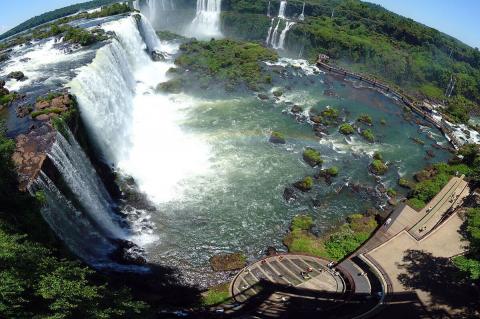
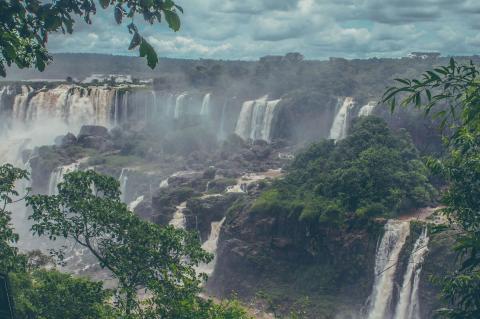
Iguaçu Falls is one of the world's most magnificent natural spectacles. Located at the border between Brazil and Argentina, the falls are part of the Iguaçu River, which plunges dramatically over the Paraná Plateau before continuing through a canyon. Featuring around 275 individual waterfalls, Iguaçu Falls is nearly three times wider than North America's Niagara Falls and significantly broader than Victoria Falls in Africa. The falls are a UNESCO World Heritage Site, attracting millions of visitors annually to witness their awe-inspiring beauty and ecological significance.

Iguazú Falls, Argentina: A Natural Wonder on the Border

Iguazú Falls, straddling the border between Argentina's Misiones Province and Brazil's Paraná State, is one of the world's most spectacular natural wonders and a marvel of nature. Divided into hundreds of individual falls, including the iconic Devil's Throat, Iguazú's immense scale and beauty draw millions of visitors annually. The falls are surrounded by lush subtropical rainforests within the Iguazú National Park, a UNESCO World Heritage Site known for its rich biodiversity and conservation significance.

Ischigualasto and Talampaya Natural Parks: Geological Treasures of Argentina

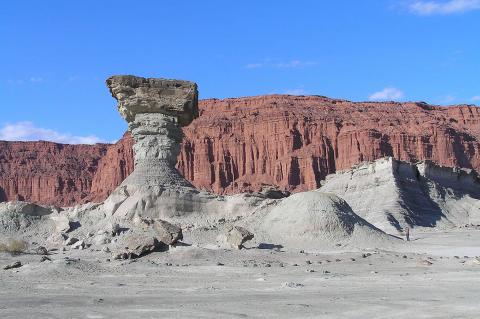
Nestled amidst the rugged and arid landscapes of the Cuyo region in central Argentina, the Ischigualasto and Talampaya Natural Parks emerge as awe-inspiring monuments to the Earth's ancient past, offering a glimpse into the distant worlds of the Triassic Period. These two adjoining protected areas, spanning an expansive pristine wilderness, form a UNESCO World Heritage Site recognized and celebrated for their profound geological and paleontological significance.

Isla Magdalena National Park: A Patagonian Treasure

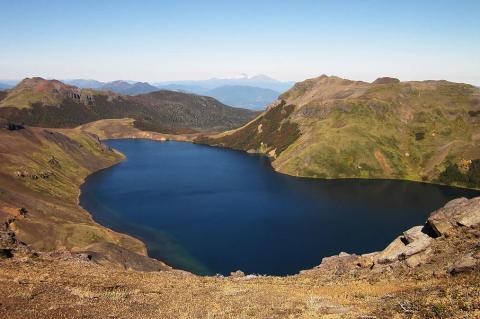
Isla Magdalena National Park, located in Chile's Aysén Region, is a pristine wilderness showcasing southern Patagonia's rugged beauty and biodiversity. The park encompasses approximately 80% of Magdalena Island, one of the largest islands south of Chiloé, making it a significant protected area within the region. Dominated by the extinct Montalat volcano, the island's varied landscapes, rich ecosystems, and cultural history make it an essential destination for nature enthusiasts and conservationists.

Itatiaia National Park: Brazil's First and Finest Natural Sanctuary

Itatiaia National Park, Brazil's first, offers a glimpse into the country's rich biodiversity and stunning landscapes. Nestled in southeastern Brazil, straddling the states of Rio de Janeiro and Minas Gerais, Itatiaia is a testament to conservation efforts and the natural beauty of the Atlantic Forest and high mountain plains. Exploring the park's history, geography, ecological significance, and diverse flora and fauna reveals its unique value and allure.