Protected Areas in South America

Beni Biosphere Reserve: A Confluence of Nature and Culture

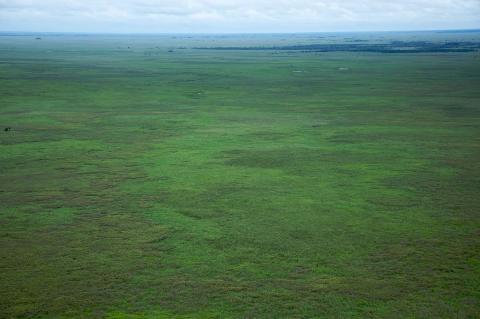
The Beni Biosphere Reserve is located in the Department of Beni in northeastern Bolivia. It is a unique area that combines three distinct biogeographical zones: the Amazon, the Chaco, and the Cerrado. The reserve comprises a savanna and rainforest and is one of Bolivia's oldest and most important protected areas. It is a haven for a wide variety of plant and animal species and a place with a rich cultural heritage.

Bernardo O'Higgins National Park: Chile's Vast Wilderness

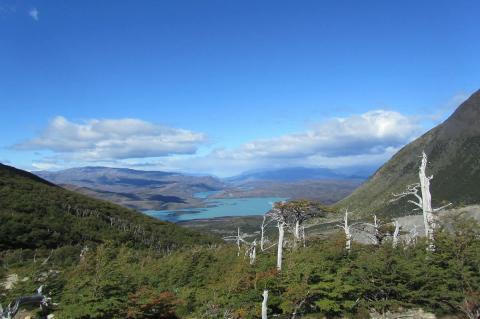
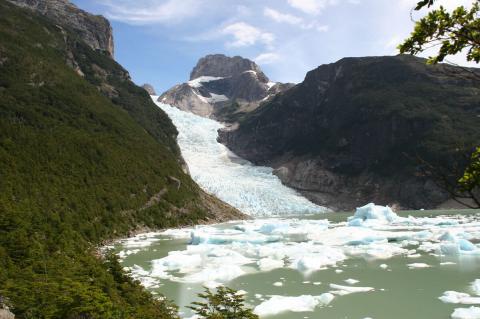
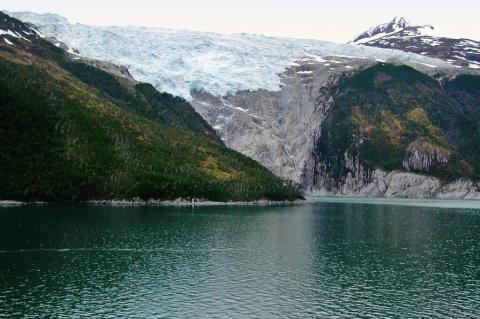
Bernardo O'Higgins National Park is named after Bernardo O'Higgins, the revolutionary leader and first head of state of Chile. It is the country's largest protected area, spanning the remote regions of Aysén and Magallanes and Antártica Chilena and encompassing a vast portion of the Southern Patagonian Ice Field. The park is a symbol of conservation and natural wonder and stands as a testament to southern Chile's rugged beauty and ecological significance.

Bicentenario-Ayacucho Biosphere Reserve: Nature, History, and Culture in Peru's Central Andes

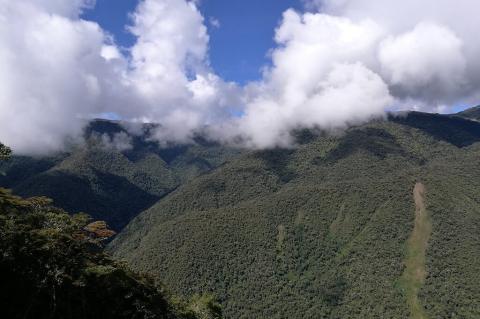
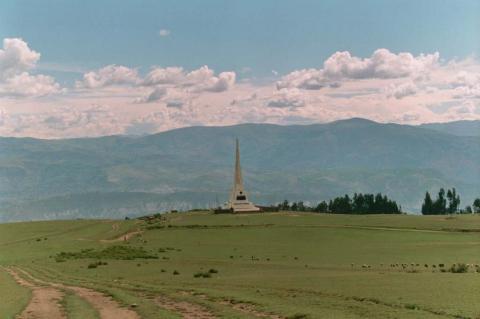
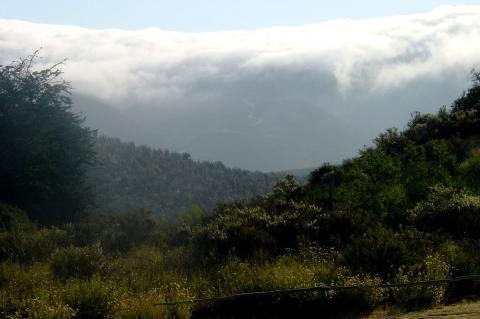
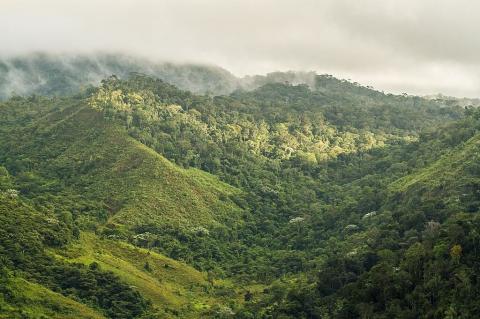
In the heart of Peru's Central Andes lies the Bicentenario-Ayacucho Biosphere Reserve, surrounded by a breathtaking collage of mountains and valleys. This protected wilderness sanctuary is of tremendous ecological and cultural importance, enriched with historical, religious, and social values. It has been designated a UNESCO Biosphere Reserve due to its unparalleled environmental and cultural significance.

Biodiversity Hotspot: The Atlantic Forest Southeast Reserves of Brazil

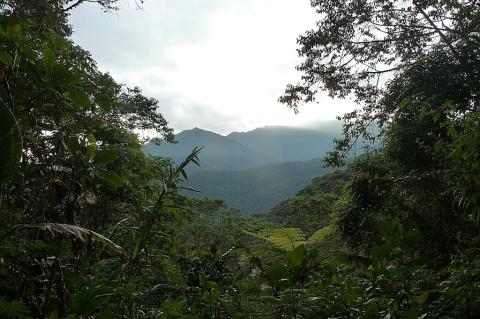
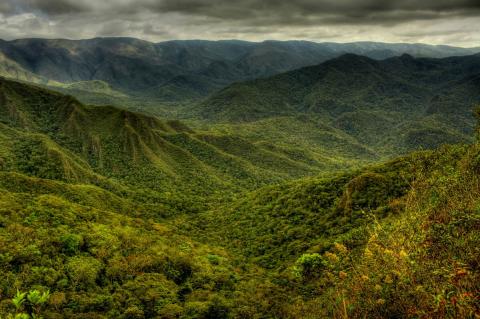
Nestled in the states of Paraná and São Paulo, Brazil, the Atlantic Forest Southeast Reserves stand as a testament to the incredible biodiversity and ecological richness of the Atlantic Forest. This World Heritage site, part of the larger Mata Atlântica Biosphere Reserve, encompasses some of the finest remaining examples of the Atlantic Forest, one of the most threatened biomes in the world.

Bosque de Fray Jorge National Park: Oasis of Biodiversity and Natural Beauty

Nestled amidst the arid landscapes of the Atacama Desert, Bosque de Fray Jorge National Park emerges as a verdant oasis of biodiversity and natural beauty within the Cordillera de Talinay, part of the Chilean Coastal Range. Situated approximately 100 kilometers south of La Serena on the Pacific Ocean, this national park is a testament to the resilience of life in the face of challenging environmental conditions.

Bosque Seco Biosphere Reserve: Natural Splendor Meets Cultural Heritage

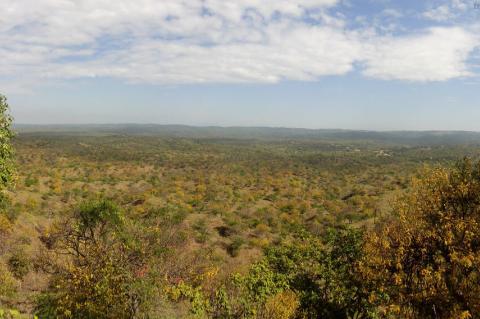
The Bosque Seco Biosphere Reserve is a biodiverse haven with diverse landscapes, from mountains to plains, providing vital climate regulation and water services. Home to Ecuador's best-preserved dry forests, the reserve boasts rich flora and fauna. Collaborating with Peru, it became part of the Bosques de Paz Transboundary Biosphere Reserve, showcasing the nexus of nature and culture.

Brazilian Atlantic Islands: A UNESCO World Heritage Site

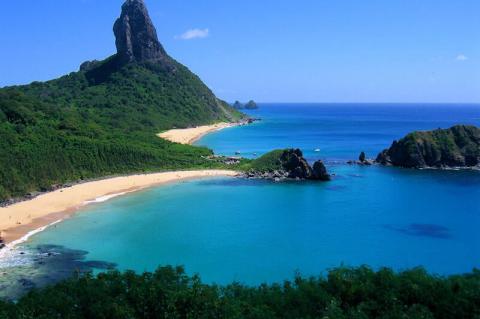
The Brazilian Atlantic Islands, comprising the Fernando de Noronha Marine National Park and the Atol das Rocas Biological Reserve, form an exceptional UNESCO World Heritage Site recognized for their unique biodiversity, stunning landscapes, and significant ecological roles in the South Atlantic. The archipelago of Fernando de Noronha, located off the northeastern coast of Brazil, plays a critical role in maintaining the ecological balance of the South Atlantic.

Cabo de Hornos National Park: The Southernmost Wilderness of Chile

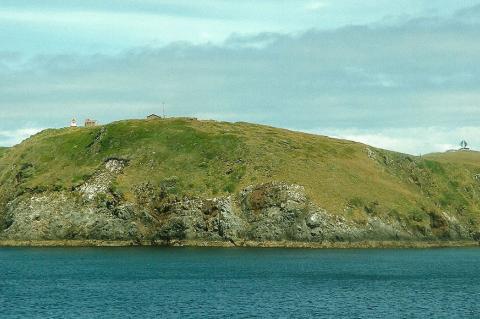
Cabo de Hornos National Park stands as the southernmost national park in the world, except for the disputed Chilean Antarctic Territory. Nestled in the remote Wollaston Archipelago within the Hermite Islands complex, this park forms part of the core area of the Cabo de Hornos Biosphere Reserve. A testament to the pristine and rugged beauty of southern Chile's wilderness, it is characterized by its unique geographical features, extreme weather conditions, diverse flora and fauna, and its significant role in global conservation efforts.

Cabo de Hornos: Protecting the Pristine Wilderness of Sub-Antarctic Chile

At the southernmost tip of the South American continent lies a breathtaking, remote wilderness known as the Cabo de Hornos Biosphere Reserve. Situated in the Magallanes region of southern Chile, this reserve spans pristine marine areas, islands, fjords, forests, and moorlands. Renowned for its dramatic landscapes and harsh weather conditions, Cabo de Hornos (Cape Horn) is both a paradise for nature enthusiasts and a critical site for scientific research.

Cabo Orange National Park: A Sanctuary of Biodiversity and Natural Beauty

Cabo Orange National Park, located in the northern Brazilian state of Amapá, is a remarkable expanse of natural beauty and ecological significance. Nestled along the coastline and bordering French Guiana to the north, it includes continental and marine environments. It is crucial to Brazil's efforts to preserve its rich biodiversity and unique ecosystems. Managed by the Chico Mendes Institute for Biodiversity Conservation (ICMBio), the park is a testament to the importance of conservation and sustainable use of natural resources.