Venezuela

Maracaibo Lake and Basin: The Geologic and Economic Heart of Venezuela

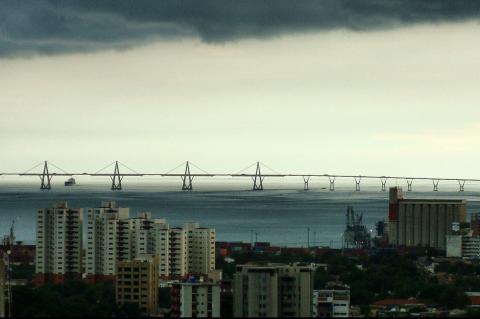
Lake Maracaibo, situated in the Maracaibo Basin of northwestern Venezuela, is a large brackish tidal estuary and an inlet of the Caribbean Sea. Numerous rivers feed the lake, the largest of which is the Catatumbo. With their rich petroleum reserves, dynamic weather phenomena, and significant economic contributions, Lake Maracaibo and the Maracaibo Basin are central to Venezuela's geography and economy.

Morrocoy National Park: A Caribbean Paradise in Venezuela

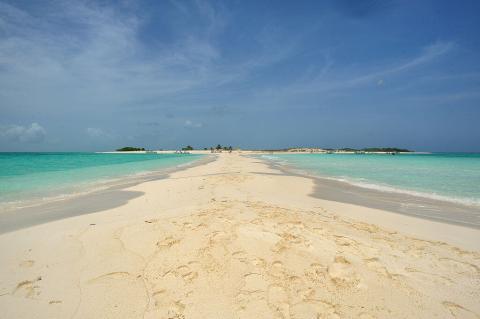
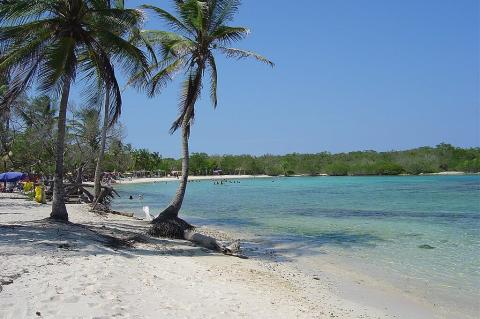
Morrocoy National Park, situated in the coastal state of Falcón in Venezuela, is a vibrant tapestry of biodiversity and scenic beauty. Renowned for its pristine beaches, coral reefs, mangroves, and abundant wildlife, the park serves as both a haven for nature enthusiasts and an ideal destination for those seeking tranquility. This protected area includes both terrestrial and marine ecosystems. Its allure lies in the harmonious interplay of turquoise waters, lush vegetation, and vibrant marine life.

Nueva Esparta: The Island State of Venezuela

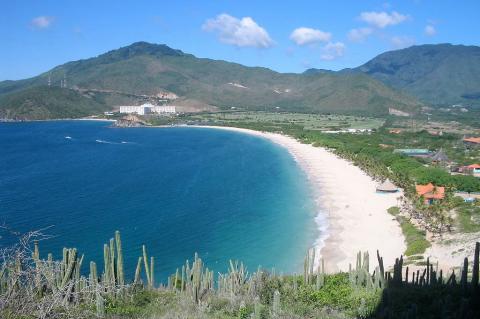
Nueva Esparta, the smallest of Venezuela's states, is unique as the only insular state in the country. Located in the Caribbean Sea, off the northeastern coast of Venezuela, Nueva Esparta comprises Margarita Island, Coche Island, and Cubagua Island. Known as the "Isle of Pearls" due to its historical association with pearl fishing, the state plays a significant role in Venezuela's history, culture, and economy. Beyond its bustling towns and historical sites, it is renowned for stunning beaches, a vibrant tourism industry, and rich biodiversity.

Paraguaná and Médanos de Coro: Where Desert Meets the Caribbean

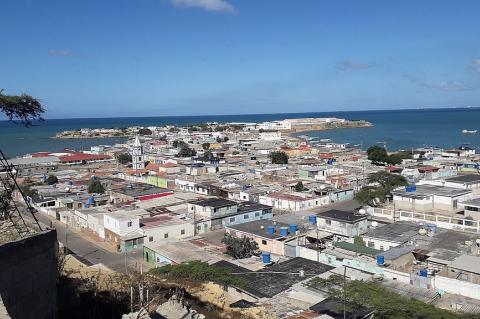
The Paraguaná Peninsula, nestled between the Caribbean Sea and the Gulf of Venezuela, is rich in natural beauty, history, and economic significance. Connected to the mainland by the sandy Médanos Isthmus, the peninsula is home to Médanos de Coro National Park, a unique desert landscape of wind-sculpted dunes and coastal plains. This juxtaposition of desert and sea, combined with the area's historical role as a hub for pirates and smugglers, creates a compelling destination for ecological study and exploration.

Parima Tapirapecó: Preserving the Amazon’s Natural and Cultural Heritage

Located in the southeastern corner of Venezuela, Parima Tapirapecó National Park stands as one of the world's largest and most ecologically significant protected areas. This vast wilderness forms a critical part of the Guainan Highlands moist forests ecoregion, renowned for its rich biodiversity. Beyond its natural splendor, the park is also a vital cultural landscape. It is home to the Indigenous Yanomami people, whose deep connection to the land reflects a centuries-old relationship with nature.

Serranía de la Neblina: The Fog-Cloaked Wilderness of Venezuela

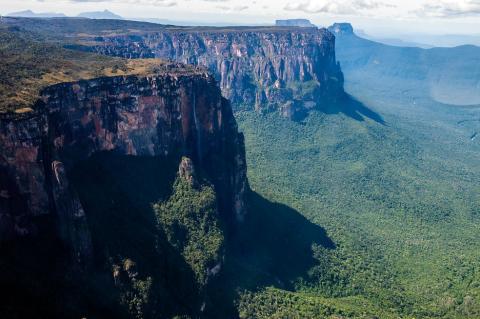
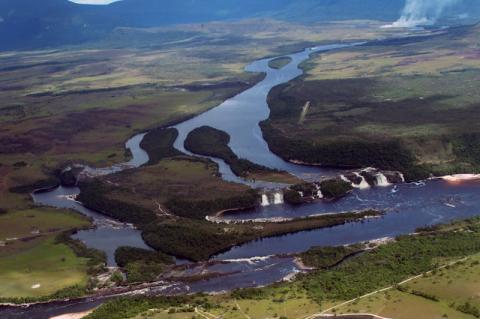
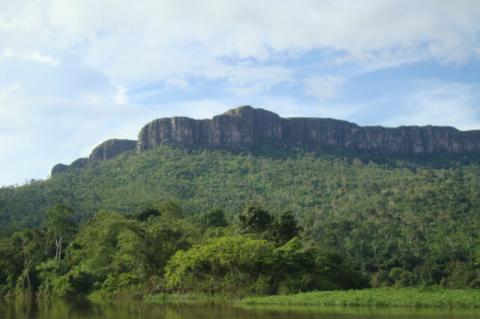
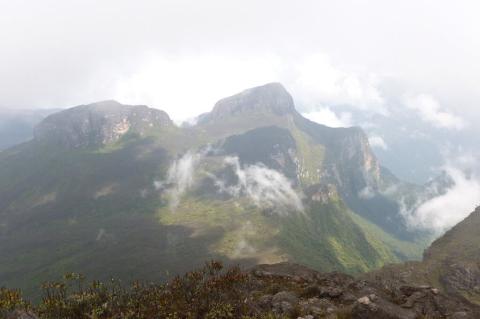
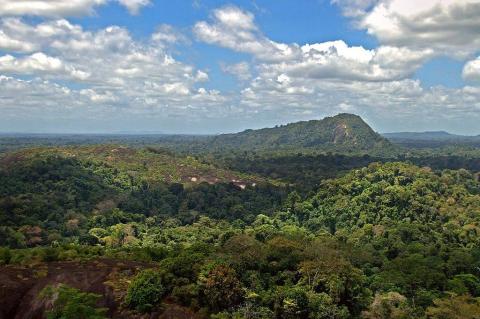
Serranía de la Neblina National Park, located in the remote southeastern corner of Venezuela, is one of the Amazon's most striking and least explored regions. The park, encompassing vast stretches of rainforest, savanna, and mountainous terrain, is characterized by its impressive geological formations and rich biodiversity. The park is also a vital part of the Alto Orinoco-Casiquiare Biosphere Reserve. This vast conservation area seeks to protect the delicate ecosystems and Indigenous cultures of the Venezuelan Amazon.

Sierra Nevada National Park: Venezuela's Alpine Sanctuary

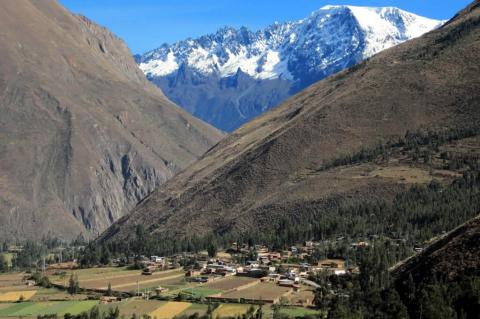
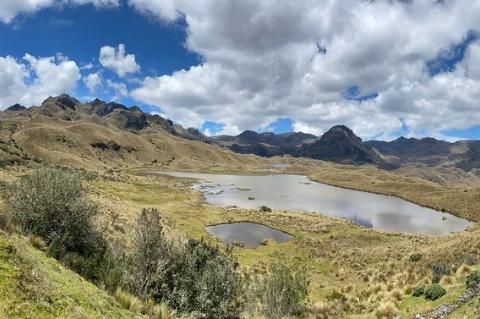
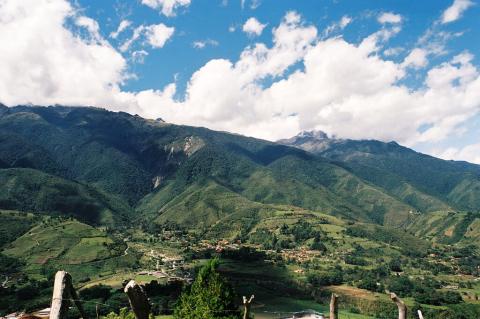
Nestled within the rugged peaks of the Venezuelan Andes, Sierra Nevada National Park stands as one of South America's most significant mountain protected areas. Established in 1952, this sanctuary encompasses the highest elevations in Venezuela, protecting critical Andean ecosystems while serving as a refuge for numerous endemic species. The park's remarkable elevation range creates a natural laboratory where multiple ecological zones demonstrate the complex relationships between altitude, climate, and biodiversity.

Tepuis and Traditions: Exploring the Alto Orinoco-Casiquiare Biosphere

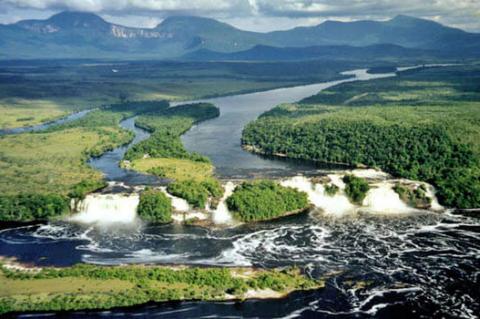
The Alto Orinoco-Casiquiare Biosphere Reserve is an expansive protected area located in the Venezuelan Amazon, encompassing three national parks—Duida-Marahuaca National Park, Serranía de la Neblina National Park, and Parima Tapirapecó National Park—each contributing to the ecological and cultural importance of the region. The reserve is characterized by its rich biodiversity, dramatic landscapes, and the presence of Indigenous communities, particularly the Yanomami and Ye'kwana peoples.

The Casiquiare River: A Unique Natural Waterway Connecting Two Great Basins

The Casiquiare River, also known as the Casiquiare Canal, is an extraordinary natural waterway in southern Venezuela. As the only major river on Earth connecting two vast and distinct drainage basins, the Casiquiare is a rare and vital geographical feature. It links the upper Orinoco River, which drains into the Atlantic Ocean, with the Rio Negro, a key tributary of the Amazon River. This unusual bifurcation is a product of natural hydrological and geological processes, creating a unique passage between South America's two largest river systems.

The Delta del Orinoco: A Biological Treasure Trove

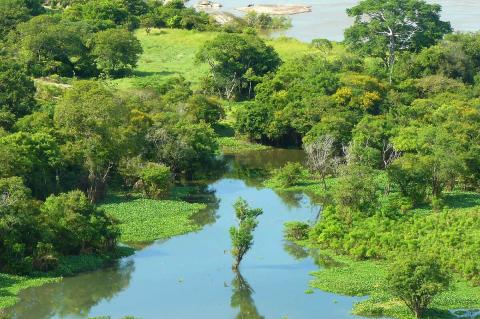
Nestled in the northeastern corner of Venezuela, the Delta del Orinoco Biosphere Reserve and its associated national parks form a vast and diverse ecosystem of immense ecological and cultural significance. Designated as a biosphere reserve by UNESCO in 2009, this region represents a unique confluence of terrestrial, aquatic, and marine environments, harboring an extraordinary array of flora and fauna.