Venezuela

The Guiana Shield: A Billion-Year Legacy of Stone and Life

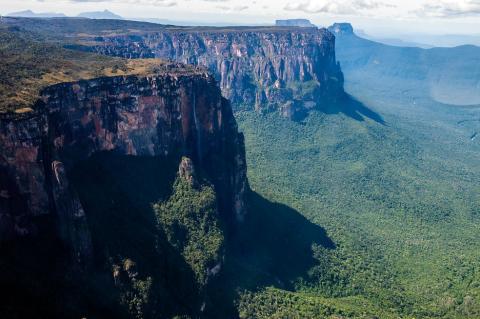
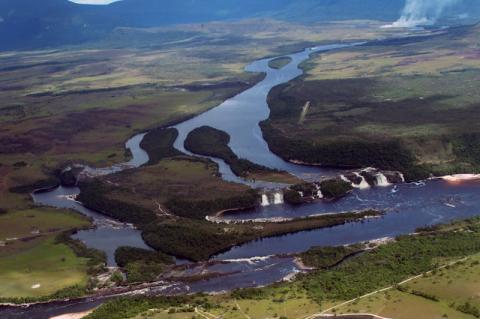
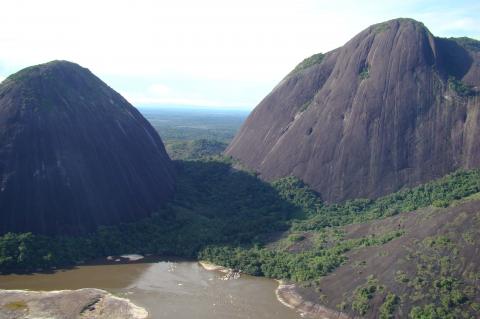
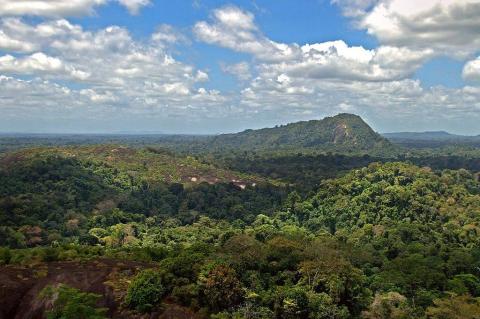
Draped across the northeastern corner of South America, the Guiana Shield stands as a profound testament to the Earth's deep history, a geological and ecological symphony played out over eons. Forged in the fiery depths of the Precambrian eon, dating back an astonishing 1.7 billion years, this ancient geological formation forms a stable craton, a foundational block of the South American Plate, shaping the very bedrock and landscapes of Guyana, Suriname, French Guiana, Venezuela, Colombia, and Brazil.

The Modernist Legacy of the University City of Caracas

The University City of Caracas is the main campus of the Central University of Venezuela, located in the heart of Caracas, the nation's capital. Designed by the renowned Venezuelan architect Carlos Raúl Villanueva, the campus is celebrated as one of Latin America's most outstanding examples of modernist architecture and urban planning. Recognized as a UNESCO site, it is considered Villanueva's crowning achievement, fusing architecture, art, and landscape into a coherent urban masterpiece.

The Orinoco River: South America's Arc of Life

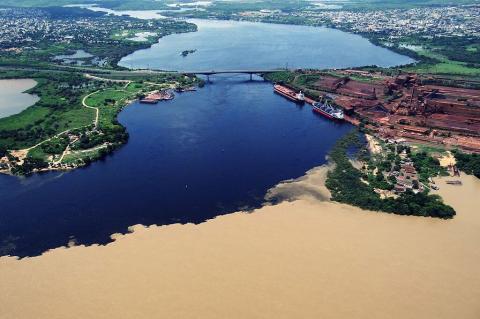
The Orinoco River, one of South America's largest and most significant rivers, winds through Venezuela and Colombia, serving as a crucial waterway for transportation and sustenance. Originating in the Sierra Parima mountains of the Guiana Highlands, the Orinoco flows through some of the most biodiverse and ecologically important regions in northern South America before reaching its vast delta and emptying into the Atlantic Ocean. The river and its basin are vital natural resources, supporting rich ecosystems, indigenous cultures, and human populations.

The Parima Mountains: A Natural and Cultural Frontier in South America

The Parima Mountains, located on the border of Venezuela and Brazil, are a remote and ecologically rich region. They are part of the Guiana Shield and are significant due to their untouched beauty, biological diversity, and role as the source of the Orinoco River. The mountains hold deep cultural significance as the homeland of Indigenous peoples, particularly the Yanomami, yet they remain largely hidden from the world's view.

The Río Negro: Majestic Heart of the Amazon

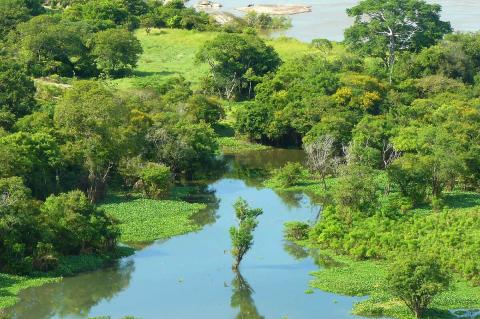
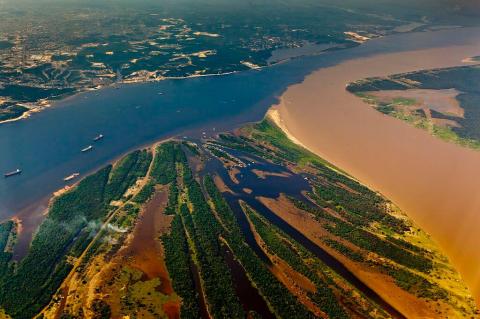
Flowing majestically through the heart of the Amazon rainforest, the iconic Río Negro stands as one of the most significant tributaries of the mighty Amazon River. Renowned for its distinctive blackwater and immense size, the Río Negro is not only a vital component of the Amazon basin but also a captivating natural wonder that draws explorers and adventurers from around the globe.

The Venezuelan Andes: A Jewel of the Tropical Andes

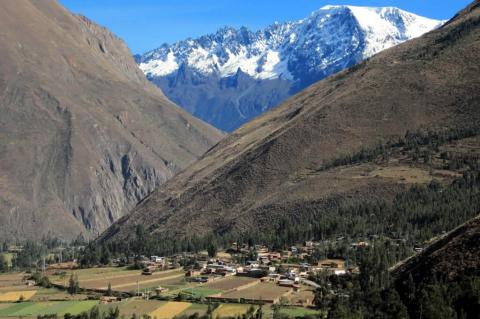
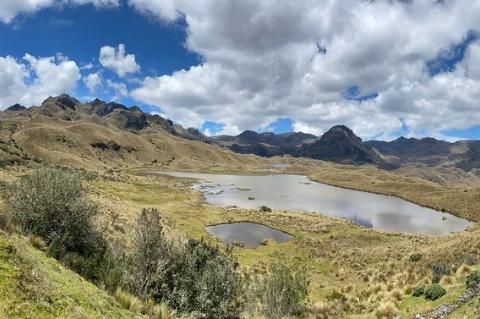
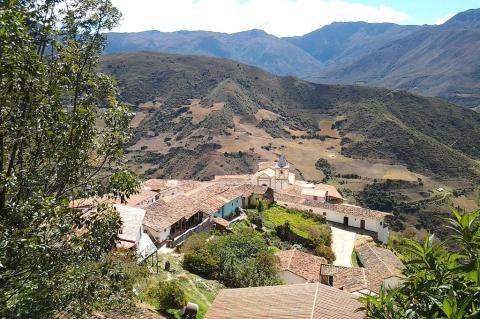
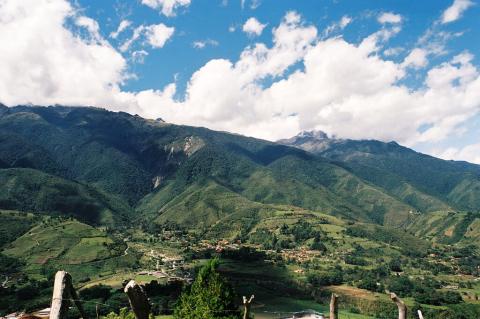
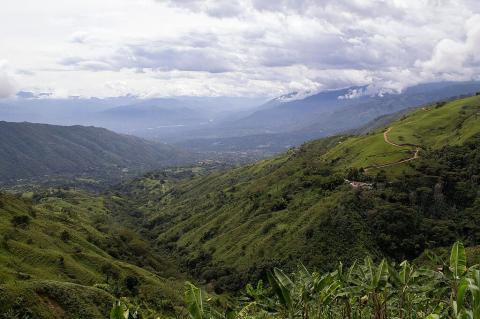
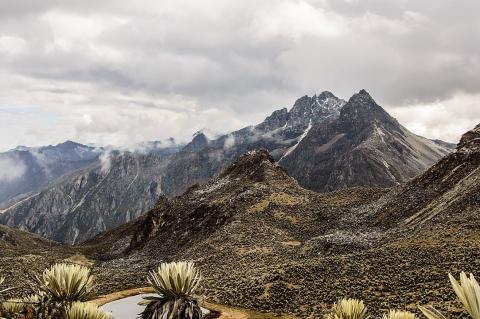
The Venezuelan Andes, also known as the Venezuelan Andean Cordillera, represents the northernmost extension of the Andes Mountain range. This major mountain system runs along the western coast of South America and is vital to Venezuela's natural and geographic landscape. The Andean natural region, encompassing the Cordillera de Mérida and the Serranía del Perijá, is one of Venezuela's distinct natural regions, contributing significantly to the country's biodiversity and cultural richness.

The Venezuelan Coastal Range: A Barrier of Biodiversity and Culture

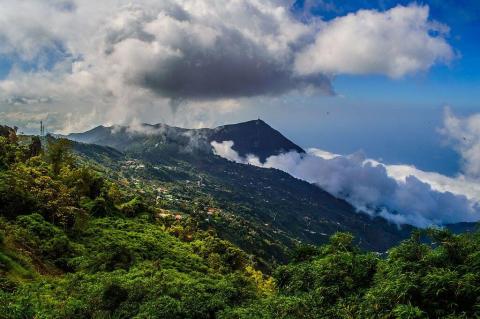
Stretching along Venezuela's northern coast, the Venezuelan Coastal Range, known locally as the Cordillera de la Costa, forms a natural boundary between the Caribbean Sea and the country's northern plains. Extending from Sucre in the east to Zulia in the west, this mountain range is more than just a physical barrier—it is a region of rich biodiversity, deep cultural history, and significant economic importance. Though sometimes called the Maritime Andes, it is a distinct geological formation with unique characteristics.

Tropical Andes - Biodiversity Hotspot: Preserving the Ecological Jewel

The Tropical Andes region spans from northern Venezuela to Bolivia and includes the northernmost Andes mountain ranges. This region is home to the Tropical Andes Biodiversity Hotspot, the most biologically diverse of all known hotspots and harbors around one-sixth of all plant life on the planet. However, the Tropical Andes are encountering significant challenges that threaten their ecological significance.

Venezuela's El Ávila National Park: From Cloud Forest to Páramo

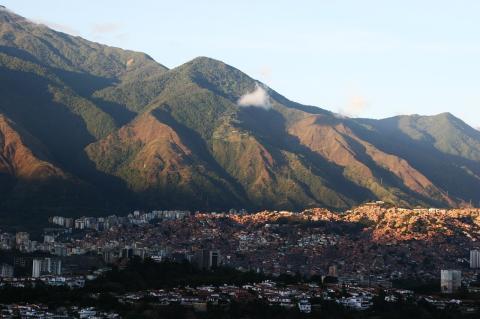
Rising majestically above Venezuela's capital city, El Ávila National Park stands as both a natural fortress and a green sanctuary that has shaped the identity of Caracas for centuries. The park encompasses the entire mountain range that serves as the northern boundary of the Caracas valley. With its towering peaks, diverse ecosystems, and rich biodiversity, El Ávila represents one of Venezuela's most accessible yet ecologically significant protected areas, offering a remarkable example of how urban development and wilderness conservation can coexist.