Geological Feature / Landform

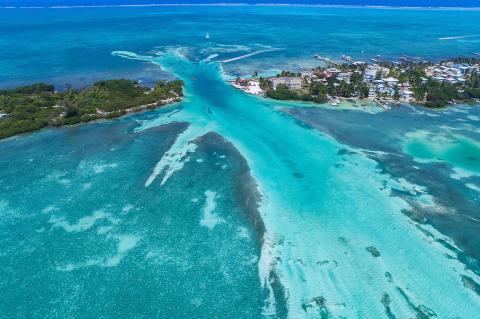
The Twin Jewels of the Caribbean: Exploring the Gulfs of Darién and Urabá

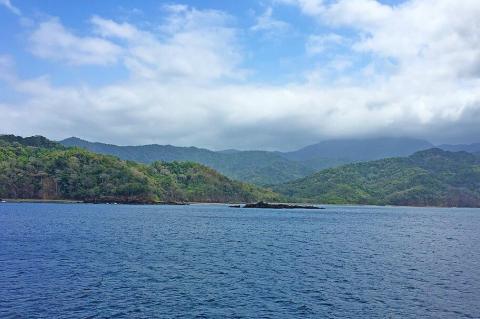
Nestled between the Caribbean Sea and the dense tropical rainforests of Central and South America lie two lesser-known yet profoundly significant bodies of water: the Gulf of Darién and the Gulf of Urabá. These gulfs, often overshadowed by their more famous regional counterparts, are geographical and ecological treasures. Within their boundaries, they hold a rich tapestry of history, vibrant ecosystems, and socio-economic dynamics that have shaped the lives of the communities around them for centuries.

The Valley of Mexico: Where Ancient Civilizations Thrived

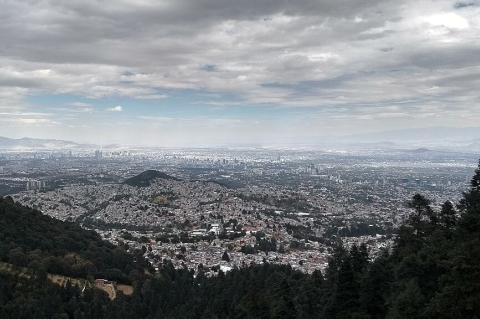
The Valley of Mexico, located within the Trans-Mexican Volcanic Belt, is a closed basin that has been a focal point of human settlement and cultural development for thousands of years. Its fertile volcanic soils have attracted and sustained complex societies, leaving an indelible mark on the history and heritage of Mesoamerica. From the ancient city of Teotihuacán to the majestic capital of the Aztec Empire, the Valley of Mexico has been the cradle of civilization and a cultural epicenter. It continues to thrive as the vibrant heart of Mexico.

The Winding Waterways of Tierra del Fuego: Exploring the Strait of Magellan and Beagle Channel

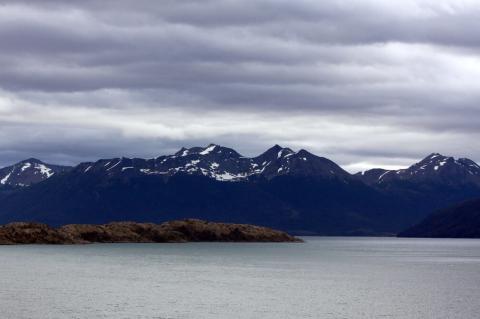
Threading through the Tierra del Fuego archipelago at the southern tip of South America, the Strait of Magellan and the Beagle Channel are the two great navigable passages that, for nearly four centuries, connected the Atlantic and Pacific oceans without requiring ships to round Cape Horn's dangerous open waters. Both waterways carry names from famous voyages of exploration, and both were home to Indigenous communities who mastered a life lived almost entirely on and around the water.

The Yucatán Peninsula: A Living Testament to Time

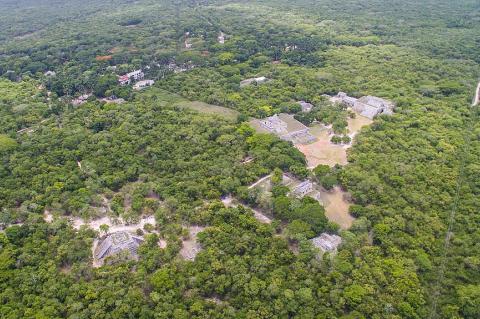
Suspended between the waters of the Gulf of Mexico and the Caribbean Sea, the Yucatán Peninsula is one of the most geologically and culturally distinctive regions in the Americas. This vast limestone platform, covering approximately 181,000 sq km, spans the Mexican states of Campeche, Quintana Roo, and Yucatán, and extends southward into Belize and Guatemala. Here, the peninsula's foundations tell a story that stretches from a cataclysmic asteroid impact to the rise of one of the ancient world's most sophisticated civilizations.

Tunupa: Sentinel of the Bolivian Altiplano's Geological and Hydrological Wonders

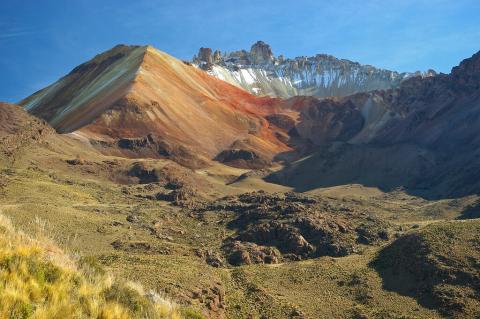
Nestled in the heart of the Bolivian Altiplano, the Tunupa Volcano is a towering witness to the region's geological and hydrological history. This dormant volcanic giant overlooks the vast expanses of the Salar de Uyuni and Salar de Coipasa, two of Bolivia's most extensive salt flats. Beyond its imposing presence, Tunupa holds the secrets of ancient lakes that once graced these high-altitude landscapes.

Turrialba Volcano: Costa Rica's Fiery Sentinel

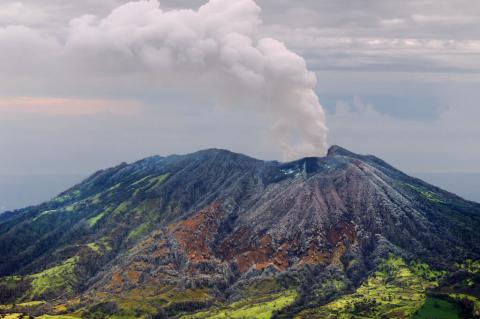
Towering over the lush landscapes of Costa Rica's Cartago Province, the Turrialba Volcano stands as a majestic and awe-inspiring natural wonder. This stratovolcano, part of the easternmost portion of the Central America Volcanic Arc, is a breathtaking sight and a testament to the raw power and dynamism of our planet's geological forces. The Turrialba Volcano National Park, a protected area, encompasses the volcano and its surroundings.

Valle Central and Valle del General: Unveiling Costa Rica's Highland Gems

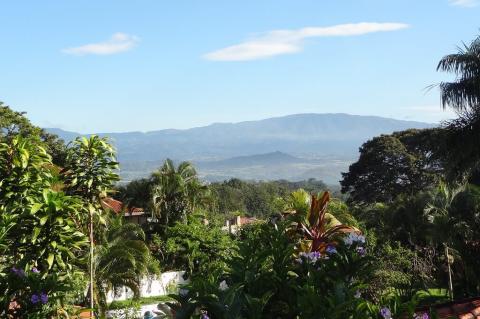
Nestled amid Costa Rica's verdant landscapes, the Central Highlands stand as a testament to the country's rich natural heritage and cultural diversity. This region, encompassing the Valle Central (Central Valley) and Valle del General (General Valley), offers a striking blend of ecological richness, dramatic history, and productive agricultural land that together have shaped the country's identity long before Spanish contact.

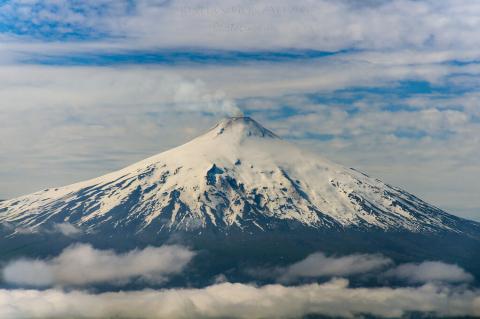
Villarrica Volcano: Chile's Fiery Icon of Nature and Adventure

Towering over the picturesque landscapes of southern Chile, Villarrica Volcano is one of South America's most iconic and active stratovolcanoes. Known to the Indigenous Mapuche as Ruka Pillan, or "House of the Spirit," this formidable peak has captivated adventurers, geologists, and nature enthusiasts alike. Rising to 2,847 m (9,341 ft) above sea level, Villarrica is not just a geological wonder but also a cultural and ecological centerpiece.

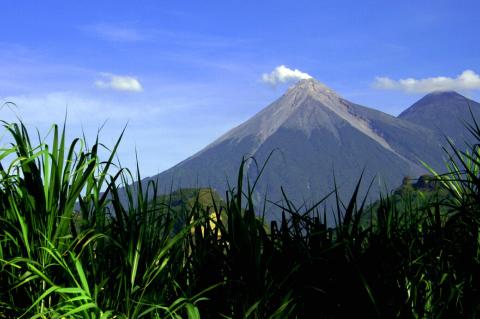
Volcán de Fuego and Acatenango: Guatemala's Dynamic Volcanic Complex

In Guatemala's Central Highlands, two magnificent volcanoes form one of Central America's most scientifically significant volcanic partnerships. Volcán de Fuego and Acatenango represent contrasting stages of volcanic evolution, providing crucial insights into the geological processes that have shaped the region for millennia. While Fuego maintains its status as one of Guatemala's most active volcanoes, dormant Acatenango preserves a record of the complex volcanic history that characterizes this portion of the Central American Volcanic Arc.