Geological Feature / Landform

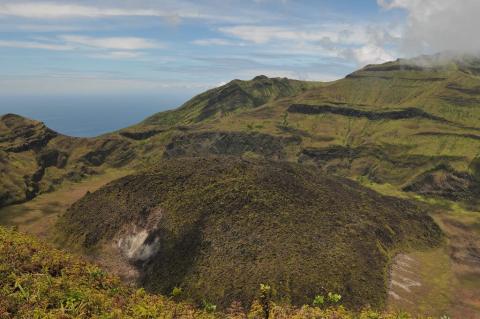
The Explosive History and Unique Ecology of La Soufrière Volcano

La Soufrière is an active stratovolcano on the island of Saint Vincent, the largest within the Saint Vincent and the Grenadines archipelago in the southeastern Caribbean Sea. Situated within the geologically active Lesser Antilles volcanic arc, La Soufrière is the highest point on the island and the highest in the nation. The volcano is known for its long and dynamic eruptive history, with 23 recorded eruptions in the past 4,000 years.

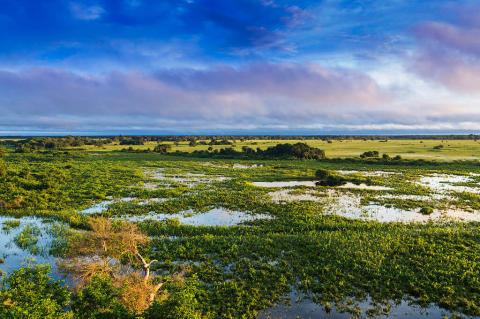
The Guaraní Aquifer System: South America's Hidden Ocean and the Future of Freshwater Security

Deep beneath four South American nations lies the Guaraní Aquifer System (GAS), one of Earth's most remarkable geological treasures. Spanning 1.2 million square kilometers of Argentina, Brazil, Paraguay, and Uruguay, it creates an underground hydrological empire rivaling the Mediterranean Sea. Named after the Indigenous Guaraní people, this aquifer system represents far more than a simple water source—it embodies the interconnected destiny of four nations and serves as a critical bulwark against regional water insecurity in an era of climate uncertainty.

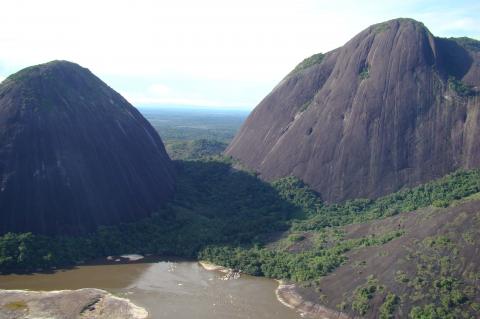
The Guiana Shield: A Billion-Year Legacy of Stone and Life

Draped across the northeastern corner of South America, the Guiana Shield stands as a profound testament to the Earth's deep history, a geological and ecological symphony played out over eons. Forged in the fiery depths of the Precambrian eon, dating back an astonishing 1.7 billion years, this ancient geological formation forms a stable craton, a foundational block of the South American Plate, shaping the very bedrock and landscapes of Guyana, Suriname, French Guiana, Venezuela, Colombia, and Brazil.

The Isthmus and Gulf of Tehuantepec: Mexico's Vital Corridor

The Isthmus of Tehuantepec is a vital geographical feature in southern Mexico. It forms a natural bridge between the Gulf of Mexico and the Pacific Ocean, a prominent inlet of the Pacific Ocean that has profoundly impacted the region's history, culture, and climate. The Gulf of Tehuantepec shapes the southern boundary of the Isthmus, influencing maritime activities and local weather patterns.

The Isthmus of Panama: Where Continents Collide and Biodiversity Flourishes

The Isthmus of Panama, historically known as the Isthmus of Darien, stands as one of Earth's most geologically significant landforms—a narrow bridge connecting North and South America while separating the Atlantic and Pacific Oceans. This slender strip of territory represents far more than a geographic curiosity. Its formation ranks among the most consequential geological events of the past 60 million years, fundamentally reshaping global climate patterns, ocean circulation, and the distribution of life across two continents.

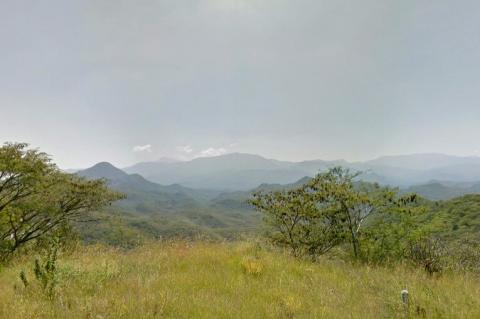
The Mexican Plateau: A Diverse Landscape and Cultural Heartland

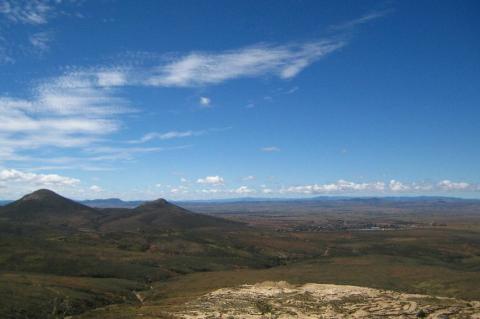
The Mexican Plateau, also known as the Altiplano, is a vast highland region in northern and central Mexico. It defines much of the nation's geography and cultural heartland. This expanse, characterized by diverse climates and ecosystems ranging from arid northern areas to temperate central regions, is divided into the Mesa del Norte and the Mesa Central. Its varied terrain has profoundly influenced settlement, agriculture, and regional cultures throughout Mexican history, making it both geographically and culturally essential to the nation.

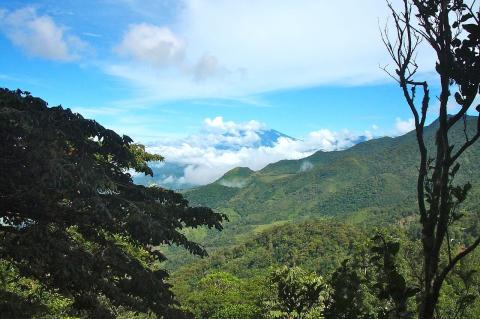
The Mindo Valley: Exploring Ecuador's Natural Paradise

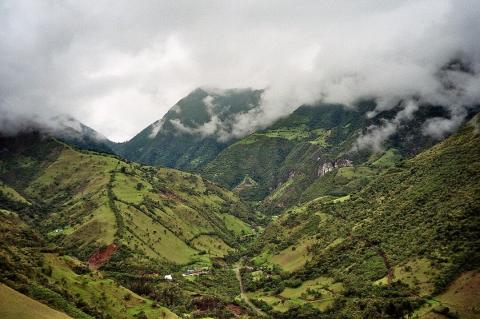
Tucked away amidst the emerald embrace of the northern Ecuadorian Andes, the Mindo Valley beckons with its enchanting allure—a realm where verdant cloud forests, meandering rivers, and kaleidoscopic biodiversity converge to create a paradise for nature enthusiasts. Within this mosaic of ecosystems lies a treasure trove of natural wonders waiting to be explored, making Mindo a haven for adventurers and seekers of ecological splendor.

The Mojanda Lakes Complex: A Testament to Ecuador's Volcanic Legacy

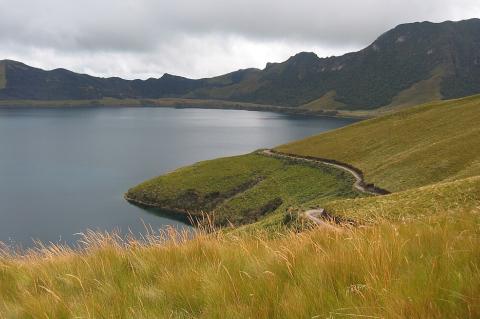
High in northern Ecuador's Andean highlands, where páramo grasslands meet mountain air, lies the Mojanda Lakes complex. These three turquoise lakes sit within an ancient volcanic caldera, telling a story of geological evolution that spans hundreds of thousands of years. The complex is a unique example of simultaneous volcanic activity, with two stratovolcanoes—Mojanda and Fuya Fuya—forming at the same time, yet exhibiting very different eruptive behaviors and magmatic compositions.

The Northern Patagonian Ice Field: A Living Testament to Chile's Glacial Past

Nestled within the breathtaking and rugged landscapes of southern Chile, the Northern Patagonian Ice Field stands as a profound testament to the enduring power and legacy of the Andes Mountains. This immense ice mass, smaller than its southern counterpart but no less magnificent, represents one of the last major remnants of the once-vast Patagonian Ice Sheet. Its entirety lies protected within the boundaries of the Laguna San Rafael National Park, a designated UNESCO Biosphere Reserve, underscoring its immense ecological and scientific value.

The Río de la Plata: A Confluence of Majesty

Carving a vast and imposing presence along the southeastern coastline of South America, the Río de la Plata stands as a monumental estuary and drainage basin, a tapering intrusion of the Atlantic Ocean stretching its embrace between Uruguay and Argentina. This immense waterway, often regarded as a gulf, a marginal sea, or even the widest river in the world, is a testament to the continent's awe-inspiring natural grandeur.