Geological Feature / Landform

Paricutín Volcano: Mexico’s Youngest Volcanic Marvel

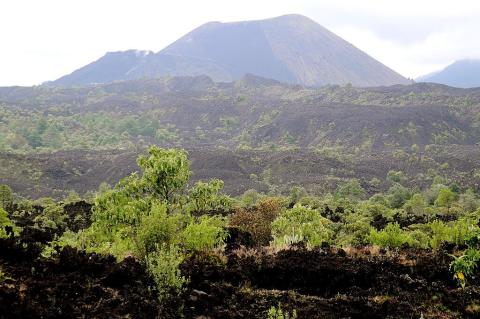
The Paricutín Volcano, located in Michoacán, Mexico, is one of the world's youngest and most studied volcanoes. Its sudden emergence in 1943 from a cornfield startled locals and scientists alike, marking a unique opportunity to observe the complete life cycle of a cinder cone volcano. Over nine years of continuous eruption, Paricutín buried villages and farmland under lava and ash, forever altering the landscape. The volcano, now dormant, stands as a testament to the immense geological forces in the region.

Pico de Orizaba: Mexico's Towering Natural Landmark

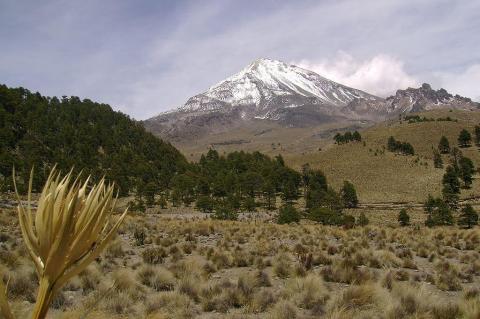
Pico de Orizaba, or Citlaltépetl, is the highest peak in Mexico and the tallest volcano in North America. Situated on the border of the Mexican states of Veracruz and Puebla, the inactive stratovolcano rises to an imposing height. Its prominence within the Trans-Mexican Volcanic Belt and its rich history in geological and cultural contexts make it a defining feature of the Mexican landscape. Its glaciers, towering presence, and role in indigenous mythologies further highlight the volcano's significance.

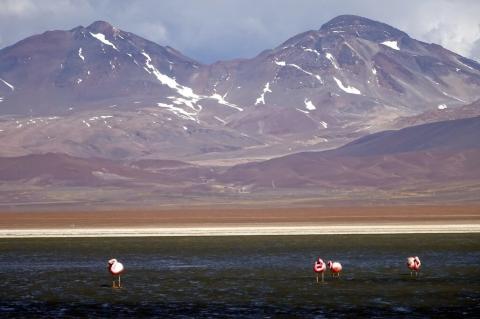
Puna de Atacama: An Arid Collage of High Plateaus, Peaks, and Indigenous Heritage

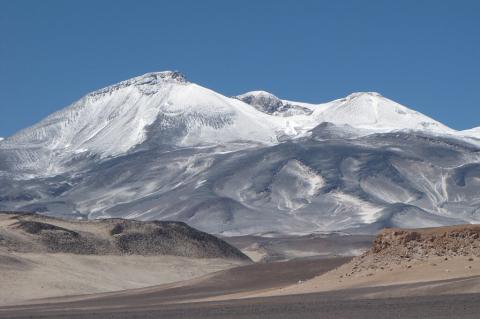
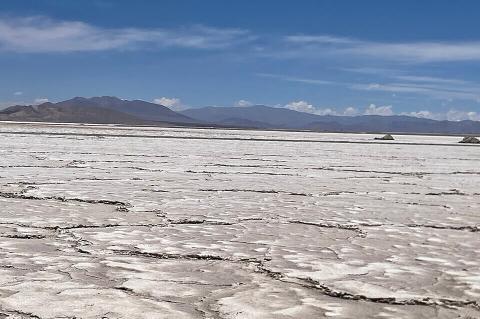
Nestled in the Andes Mountains of South America, the Puna de Atacama is a testament to nature's mesmerizing contrasts, from its cold, desolate high plateaus to the deep river valleys that carve through its eastern expanse. This vast and arid landscape, situated in the southernmost part of the Andean Altiplano, has geographical and cultural significance, stretching across northwestern Argentina and adjacent regions of Chile.

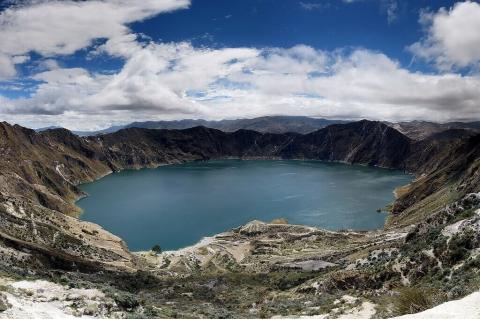
Quilotoa: Ecuador's Volcanic Masterpiece

High in the Ecuadorian Andes lies one of the country's most awe-inspiring natural wonders: the Quilotoa Crater Lake. Known for its stunning emerald waters and the dramatic volcanic landscape, Quilotoa is a must-see for travelers exploring Ecuador's diverse geography. Formed by a volcanic eruption over 600 years ago, the crater has evolved into a beautiful caldera lake that captivates visitors with its vivid color, stark beauty, and high-altitude location.

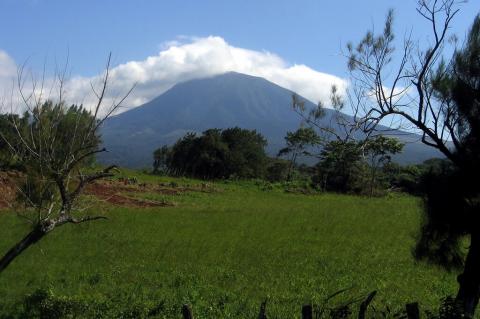
Rincón de la Vieja: Costa Rica's Volcanic Gem

Nestled in the rugged northwestern corner of Costa Rica, the Rincón de la Vieja Volcano and its eponymous national park stand as a testament to the country's rich natural heritage and commitment to preserving the wonders of the natural world. With its striking summit, this active volcanic complex is a true gem that beckons adventurers, nature enthusiasts, and those seeking a deep connection with the Earth's raw power from around the world.

Río Bravo del Norte: The Great River That Unites and Divides Two Nations

In Colorado's San Juan Mountains, where streams surge from melting snow, one of North America's most culturally and politically significant waterways begins. Known as the Rio Grande in the United States and Río Bravo del Norte in Mexico, it flows from alpine tundra to a tropical delta, serving as a border. For Mexico, the Río Bravo represents far more than a geographic boundary—it embodies centuries of cultural identity, economic development, and environmental adaptation in some of North America's most challenging landscapes.

Semuc Champey: Guatemala's Hidden Natural Wonder

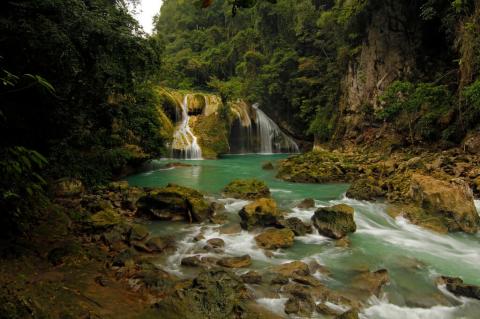
Tucked deep within the verdant heart of Guatemala, Semuc Champey stands as one of the country's most breathtaking natural wonders. Famous for its series of turquoise pools and limestone bridge, this secluded paradise attracts adventurers and nature lovers alike. While difficult to reach, those who venture into the jungle are rewarded with awe-inspiring landscapes and a glimpse into the ecological richness of Central America.

Sierra de las Minas: Guatemala's Ecological Treasure

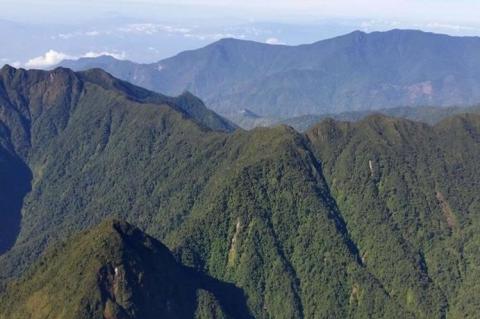
The Sierra de las Minas mountain range and Biosphere Reserve are among Guatemala's most ecologically and geographically significant areas. This range, extending across southeastern Guatemala, is renowned for its rugged terrain, unique ecosystems, and remarkable biodiversity. The region plays a critical role in preserving Guatemala's natural heritage, especially through its designation as a Biosphere Reserve, which safeguards vast expanses of tropical cloud forest and numerous endemic species.

Tatacoa Desert: A Journey into Colombia's Arid Wonderland

Nestled within the heart of central Colombia lies the Tatacoa Desert, a captivating expanse of dry tropical forest known for its otherworldly landscapes and rich paleontological heritage. Despite its name, Tatacoa is not a true desert but a unique ecosystem characterized by rocky canyons, labyrinthine gullies, and vibrant hues of red and grey. Situated in the northern part of the Huila Department, this arid region harbors a wealth of natural wonders and cultural significance.

Tehuacán-Cuicatlán Valley: A Nexus of Ecology and Culture

The Tehuacán-Cuicatlán Valley in southern Mexico showcases the intricate interaction between human societies and the environment. It is a UNESCO Biosphere Reserve and a World Heritage Site, known for its biodiversity, ancient agricultural practices, and enduring Indigenous traditions. Spanning the states of Puebla and Oaxaca, this valley offers a profound glimpse into the ecological and cultural wealth that has shaped the region for millennia.