Geological Feature / Landform

Gulf of Fonseca: Central America’s Coastal Treasure

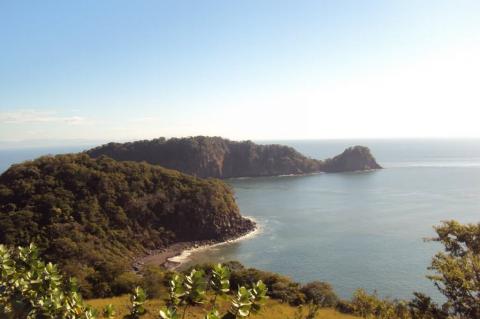
The Gulf of Fonseca is a stunning inlet of the Pacific Ocean nestled along the coasts of three Central American countries: El Salvador, Honduras, and Nicaragua. This picturesque body of water, renowned for its ecological diversity, historical significance, and economic importance, is a critical maritime hub in the region. Encompassing a mix of pristine beaches, lush mangroves, and vibrant marine life, the Gulf of Fonseca is a testament to Central America's natural beauty and cultural richness.

Ica and Huacachina: Oases of Culture and Nature in Peru's Desert South

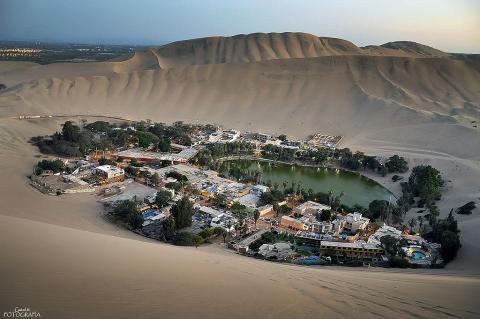
Nestled between the barren expanses of the Ica Desert and the vibrant culture of southern Peru lies the city of Ica, a place rich in history, natural wonders, and iconic traditions. Known for its ties to the ancient Inca civilizations and the Spanish colonial period and as the home of Peru's national drink, Pisco, Ica has much to offer. Just beyond the city's boundaries lies one of Peru's most stunning natural features: the Huacachina Oasis, a shimmering jewel in the desert landscape that attracts travelers from across the globe.

Ice at the Edge of the Tropics: The Glaciers of Volcanic Mexico

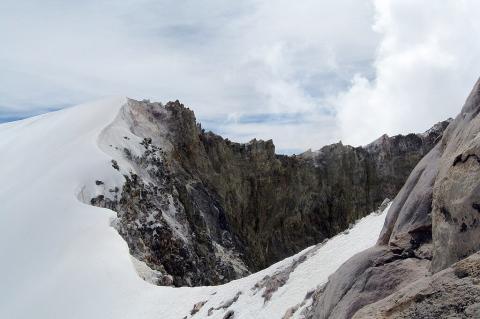
Mexico has one of the world's most unique and fragile glacial systems. It contains some of the southernmost glacial ice in North America, hanging on the peaks of tall volcanoes that reach into the tropical sky. This incredible paradox—ice in a mostly tropical country—shows how extreme elevation can overpower latitude-related warming to create the right conditions for glaciers. These impressive ice formations are not only geological wonders but also key signs of climate change in one of the world's most vulnerable glacial areas.

Irazú Volcano: Costa Rica's Colossal Guardian

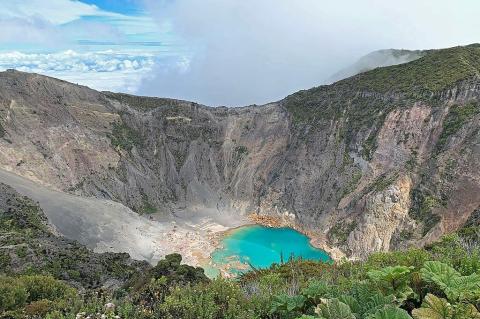
Irazú Volcano, an awe-inspiring active stratovolcano, is a prominent feature in Costa Rica's Cordillera Central. Close to the city of Cartago, this natural wonder is the highest active volcano in the country. Its rich history, significant eruptions, and diverse ecosystems are preserved within the boundaries of the Irazú Volcano National Park, a haven for nature enthusiasts and researchers alike.

Izalco and Santa Ana: Guardians of El Salvador's Volcanic Landscape

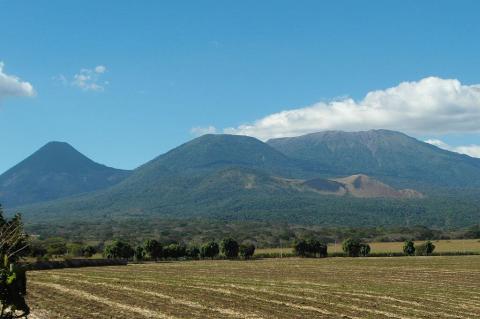
Towering above the western highlands of El Salvador, the Izalco and Santa Ana (Ilamatepec) volcanoes stand as powerful testaments to the country's dynamic geological history. These stratovolcanoes shape the surrounding landscape and play a crucial role in El Salvador's culture, history, and ecology. While Izalco's fiery eruptions once earned it the nickname "Lighthouse of the Pacific," Santa Ana's vast crater and complex terrain showcase the forces of nature that continue to sculpt the region.

La Guajira: Desert, Mountains, and Indigenous Heritage

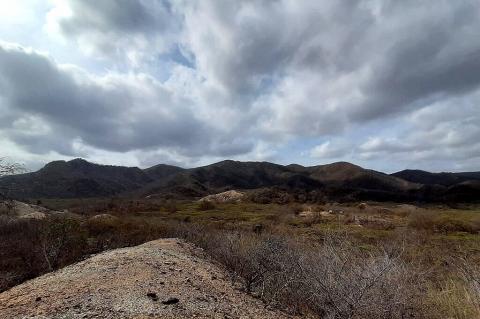
The La Guajira Peninsula, located at the northernmost tip of South America, is home to the vast and mesmerizing La Guajira Desert, the lush Serranía de Macuira mountain range, and the protected Macuira National Natural Park. This unique region of northern Colombia, extending slightly into Venezuela, boasts a remarkable diversity of ecosystems, indigenous cultures, and significant natural resources.

Lago Enriquillo and Isla Cabritos National Park: A Natural Wonder of the Dominican Republic

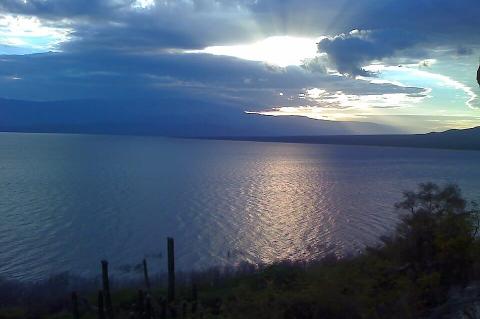
Nestled in the southwestern region of the Dominican Republic lies a natural marvel – the Lago Enriquillo and Isla Cabritos National Park. This stunning protected area encompasses the largest lake in the Dominican Republic, Hispaniola, and the entire Caribbean Region, along with the captivating Isla Cabritos (Goat Island) at its center. This remarkable destination offers a unique blend of natural beauty, rich biodiversity, and a fascinating cultural heritage.

Lago General Carrera: The Majestic Beauty of Patagonia's Marble Caves

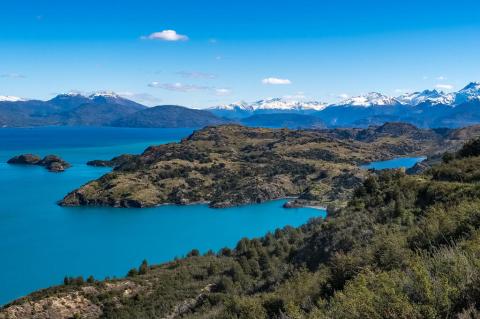
Straddling the border between Chile and Argentina lies one of the most breathtaking natural wonders in South America—Lago General Carrera (known as Lago Buenos Aires in Argentina). This expansive glacial lake, with its turquoise and sapphire waters, is surrounded by the rugged landscapes of Patagonia and framed by snow-capped mountains, providing an unforgettable view that draws visitors from around the world. Among its most famous attractions are the Marble Caves, surreal formations carved by nature over thousands of years.

Lake Atitlán and Volcán Atitlán: Guatemala's Volcanic Treasures

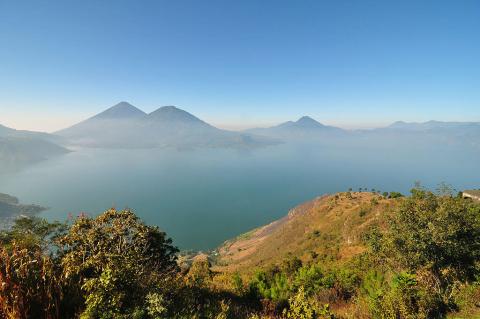
Nestled in the Guatemalan Highlands, Lake Atitlán and the towering Volcán Atitlán represent two of Guatemala's most iconic natural landmarks. Lake Atitlán is renowned for its stunning beauty, dramatic volcanic backdrop, and deep cultural heritage, while Volcán Atitlán stands as one of the region's most prominent and active stratovolcanoes. Together, they form a unique landscape that draws tourists and researchers alike, offering a glimpse into Guatemala's rich biodiversity and the enduring legacy of Maya culture.

Lake Llanquihue and Osorno Volcano: Treasures of Chile's Lake District

Nestled in the heart of Chile's enchanting Lake District lies Lake Llanquihue, a sprawling body of water renowned for its scenic beauty and cultural significance. With its vast expanse of dark waters and striking black sand shores, Lake Llanquihue captivates the imagination. Situated between Osorno Province and Llanquihue Province, Osorno Volcano commands attention with its snow-capped peak and dramatic silhouette, creating a striking contrast against the azure waters of Lake Llanquihue.