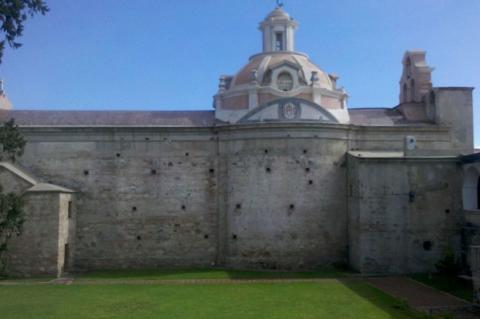
National Landmark

The Panama Canal: Engineering Marvel Connecting Two Oceans

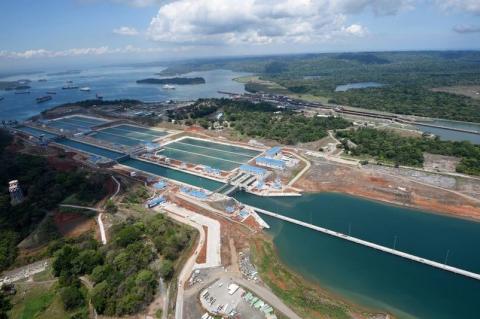
The Panama Canal stands as one of the most ambitious and consequential engineering achievements of the modern era—an artificial waterway spanning the Isthmus of Panama to connect the Atlantic and Pacific Oceans. The story encompasses heroic engineering, devastating failure, the conquest of tropical disease through medical innovation, and human suffering on an almost incomprehensible scale. Its construction claimed at least 27,000 lives over more than three decades, yet its completion revolutionized global commerce.

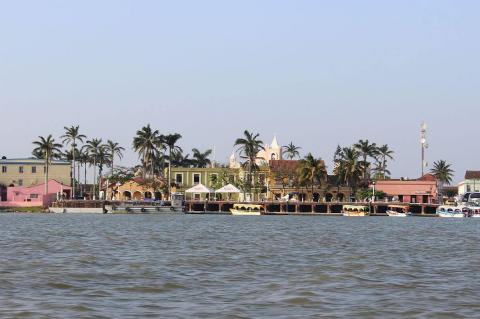
Tlacotalpan: A Spanish Colonial River Port on the Papaloapan

Tlacotalpan, a historic Spanish colonial river port on Mexico's Gulf Coast, is a remarkable example of 16th-century urban planning and architecture. Designated as a UNESCO World Heritage Site, the town is notable for its unique river port setting, colorful colonnaded houses, wide streets, and lush public spaces. Tlacotalpan's preservation offers a glimpse into the historical townscape of Mexico's colonial past, showcasing a blend of Caribbean and Spanish architectural traditions.

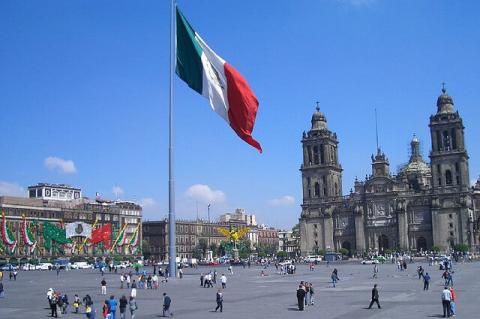
Unraveling the Layers of History: The Centro Histórico of Mexico City

Centro Histórico, the historic center of Mexico City, emerges as the pulsating heart of the Mexican capital, where the rich combination of history, culture, and architecture unfolds in a captivating panorama. Stretching outward from the iconic Zócalo, this historic district encapsulates landmarks like the National Palace, Metropolitan Cathedral, Palace of Fine Arts, Old Portal de Mercaderes, and the verdant expanse of Alameda Central Park.

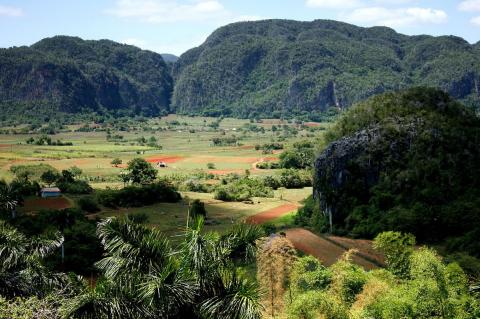
Viñales Valley: A Mosaic of Nature and Tradition in Cuba

Viñales Valley, nestled in the Sierra de los Organos mountains near the western end of Cuba, offers a breathtaking panorama of karst topography with striking limestone outcrops called mogotes. This picturesque valley is a testament to natural beauty and cultural heritage, earning its designation as a UNESCO World Heritage Site. The harmonious blend of nature and tradition makes Viñales Valley a must-see destination for travelers and a beloved symbol for Cubans.

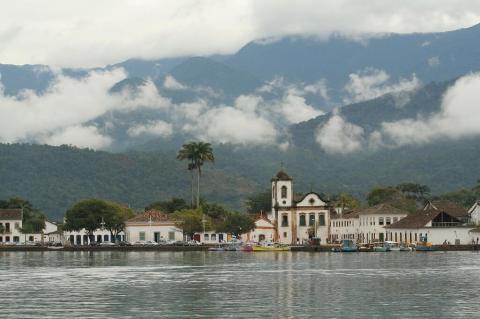
Where Mountains Meet the Sea: The Cultural and Natural Tapestry of Paraty and Ilha Grande

Nestled between the Serra da Bocaina mountain range and the Atlantic Ocean, the World Heritage Site of Paraty and Ilha Grande, located in the states of Rio de Janeiro and São Paulo, is a unique blend of rich cultural history and stunning biodiversity. It includes the historic center of Paraty, the island of Ilha Grande, and four protected natural areas of the Brazilian Atlantic Forest, one of the world's critical biodiversity hotspots. This remarkable site offers a window into Brazil's colonial past, showcasing its commitment to preserving its natural treasures.

Willemstad: Where Dutch Heritage Meets Caribbean Charm

Nestled on the southern coast of Curaçao, an island in the southern Caribbean Sea, lies the captivating city of Willemstad. As the capital and largest urban center of this Dutch Caribbean island, Willemstad is a testament to centuries of colonial history, cultural fusion, and architectural innovation. With its colorful facades, rich maritime heritage, and unique European and Caribbean influences, Willemstad offers a glimpse into a world where the past and present seamlessly intertwine.

Xochimilco: A Living Testament to Mexico's Rich Heritage

Nestled south of Mexico City, Xochimilco emerges as a living testament to the Aztec legacy and the resilient spirit of Mexican culture. The name Xochimilco, derived from the Nahuatl words xochitl and milli, translates to "where the flowers grow." This cultural haven, situated on Lake Xochimilco in the Valley of Mexico, boasts a rich history. Its characteristic urban and rural structures date back to the 16th century, intertwining with the colonial period in a harmonious tapestry.