National Landmark

Coro and La Vela: Venezuela's Colonial Heritage

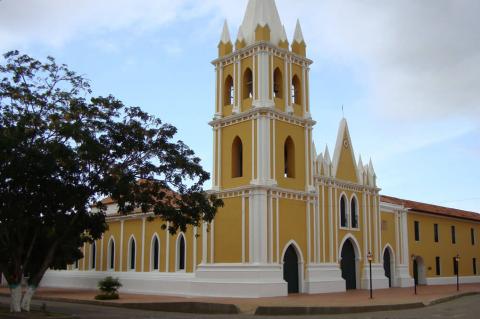
Coro, also known as Santa Ana de Coro, is a historic colonial port city in Venezuela, founded on July 26, 1527, by Juan de Ampíes. It is famous for its well-preserved colonial architecture and historical significance, being the first South American town to achieve independence from Spain. Designated a UNESCO World Heritage Site in 1993, Coro is a testament to the enduring legacy of Spanish colonization and the blending of various architectural styles and local traditions.
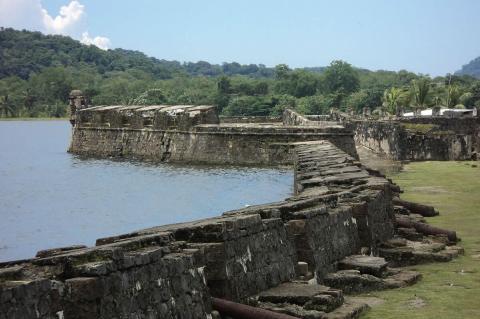
Defenders of the Caribbean: The Fortifications of Portobelo-San Lorenzo

Situated along the picturesque coast of the Colón Province in Panama, the Fortifications of Portobelo-San Lorenzo are enduring symbols of Spanish colonial military engineering. These fortifications were designed to protect the lucrative transatlantic trade routes that connected the New World to Spain. Recognized as a UNESCO site, these fortifications represent a key chapter in the history of global commerce and military architecture, standing as silent witnesses to a bygone era of colonial expansion and strategic defense.

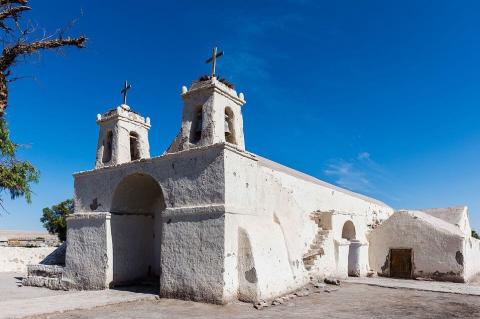
Echoes of Faith: The Churches of the Altiplano

The high-altitude Altiplano plateau, stretching across northern Chile and Bolivia, is home to a remarkable blend of Indigenous and colonial cultures. During the Spanish colonization, this region became a melting pot of Quechua, Tiahuanaco, Inca, and Aymara influences, resulting in a unique cultural synthesis. The most tangible reflection of this cultural fusion is the numerous chapels and churches built during this period.

Echoes of the Ancients: The Rock Paintings of Sierra de San Francisco

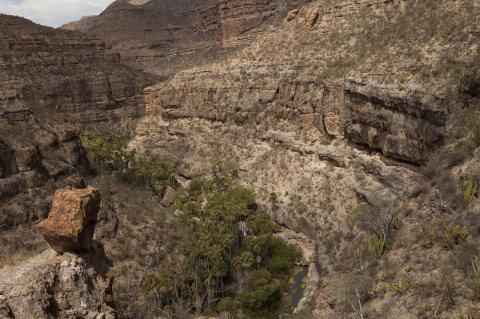
Hidden within Baja California Sur in Mexico, the Rock Paintings of Sierra de San Francisco are enduring symbols of prehistoric culture's artistic and spiritual expressions. These paintings offer a unique glimpse into the lives of the Cochimí people, showcasing their daily activities, beliefs, and connection to the natural world. Located in the Peninsular Ranges, this site is a significant archaeological treasure that underscores the universal human desire to communicate, record, and interpret existence through art.

English Harbour and Nelson's Dockyard in Antigua: A Maritime Legacy

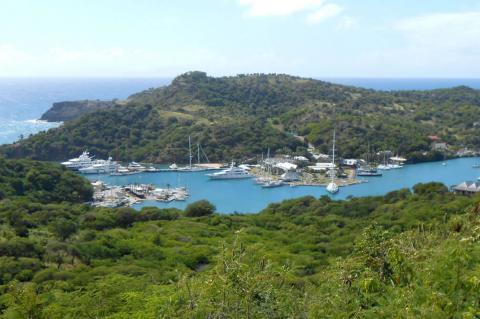
Nestled along the picturesque southern coast of Antigua, English Harbour and Nelson's Dockyard form a historical maritime enclave that resonates with the echoes of colonial endeavors, naval supremacy, and the legacy of Admiral Horatio Nelson. This UNESCO World Heritage Site, encompassing both natural and artificial marvels, stands as a testament to Antigua's strategic importance and the naval prowess of the British Empire.

Exploring Colonia del Sacramento: A Journey Through History and Architecture

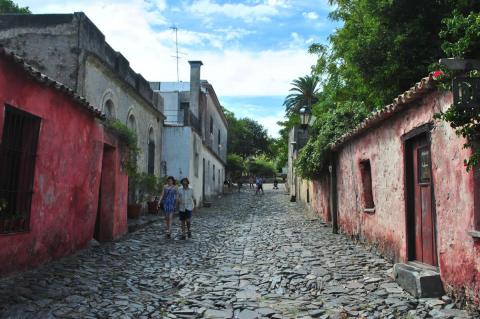
Colonia del Sacramento is a charming city that showcases Uruguay's rich historical tapestry. Established in 1680 by the Portuguese, it played a vital role in the colonial era as a strategic stronghold amid the territorial struggles between European powers in South America. Despite enduring sieges, battles and shifting allegiances, Colonia del Sacramento offers visitors a glimpse into the cultures and influences that have shaped Uruguay's identity over the centuries.

Exploring Historic Bridgetown: The Heart of British Colonial Barbados

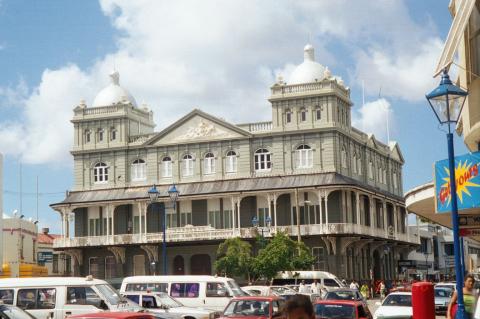
Historic Bridgetown and its Garrison in Barbados stand as enduring symbols of British colonial expansion in the Americas. As one of the earliest established towns with a fortified port in the Caribbean, Bridgetown played a pivotal role in the network of military and maritime-mercantile outposts that underpinned the British Atlantic empire. This World Heritage site encapsulates Barbados's strategic importance from the 17th to 19th centuries, serving as a hub for trade and a bastion of military power.

Exploring the Monumental Legacy of Lima's Historic Center

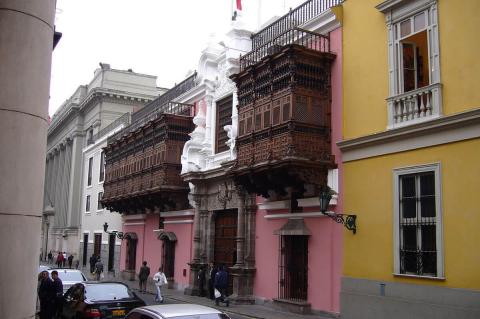
Nestled in the Rimac Valley, the Historic Center of Lima, originally christened 'Ciudad de Los Reyes' (City of the Kings), stands as a living testament to the city's rich colonial heritage and its pivotal role in the history of the New World. Founded by Spanish conqueror Francisco Pizarro in January 1535 on the territories once led by the Chiefdom of Rimac, this UNESCO World Heritage Site is a captivating tapestry woven with architectural masterpieces, religious grandeur, and a cultural legacy that has endured for centuries.

Exploring the Rich History and Architecture of Old San Juan, Puerto Rico

Nestled along Puerto Rico's rugged and captivating coastline, the Old San Juan Historic District emerges as a radiant jewel in the Caribbean landscape. Recognized as a National Historic Landmark District and a UNESCO World Heritage site, this enchanting enclave presents a tapestry of culture and architecture. Here, amidst the labyrinthine streets and towering fortresses, history comes alive, offering a captivating journey through centuries of conquest, exploration, and cultural exchange.

Franciscan Missions in the Sierra Gorda of Querétaro: A Fusion of Cultures and Faith

The Franciscan Missions in the Sierra Gorda of Querétaro, built in the 18th century, represent the final phase of evangelizing the interior regions of Mexico. Located in the rugged, mountainous terrain of the Sierra Gorda in central Mexico, the missions are renowned for their architectural and artistic significance, particularly the richly decorated church facades. Today, these five missions are recognized as a UNESCO World Heritage Site and continue to be living religious and cultural centers.