National Landmark

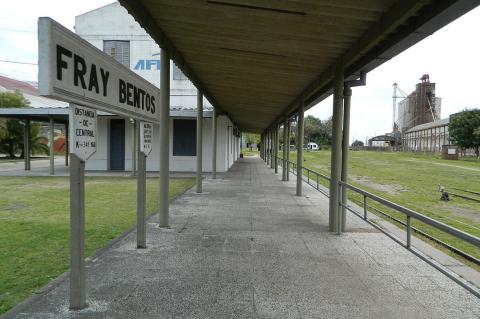
Fray Bentos: Where Industry, History, and Nature Converge

Located in the southwestern region of Uruguay, Fray Bentos, the capital of the Río Negro Department, is a city steeped in industrial heritage and cultural richness. Once a bustling hub of global meat production, Fray Bentos has evolved into a vibrant town that weaves together its industrial past with natural beauty and modern charm. Known for its meatpacking industry, Fray Bentos played a critical role in shaping Uruguay's economy and reputation on the global stage.

Historic Town of Ouro Preto: The Heart of Brazil's Colonial Heritage

Nestled within the Brazilian Highlands, the historic town of Ouro Preto in Minas Gerais is a testament to Brazil's rich colonial history and architectural grandeur. This UNESCO World Heritage site is renowned for its well-preserved colonial architecture, cultural heritage, and artistic legacy. Founded in 1698 and once the capital of Minas Gerais, Ouro Preto played a pivotal role during the Brazilian Gold Rush, transforming it into a prosperous center of wealth and culture.

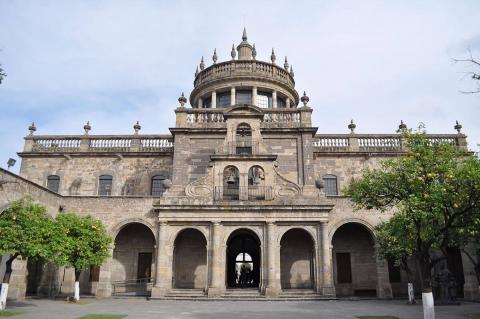
Hospicio Cabañas: A Testament to Compassion and Architectural Brilliance

Nestled in the heart of Guadalajara, Mexico, the Hospicio Cabañas is a testament to the country's rich history and architectural prowess. This monumental complex was established in 1791 to care for society's most vulnerable members, including orphans, the elderly, and the disabled. As one of the oldest and largest hospital complexes in the Americas, Hospicio Cabañas reflects the humanitarian vision of its founder, Bishop Juan Ruiz de Cabañas, and showcases its designer's remarkable Neoclassical architectural style.

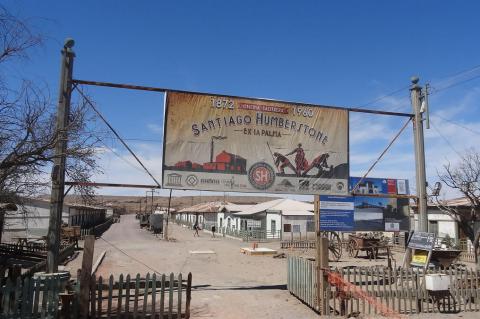
Humberstone and Santa Laura Saltpeter Works: Chile's Industrial Legacy

Nestled within the arid expanses of the Atacama Desert, a landscape seemingly devoid of life, lies a testament to human ingenuity and resilience - the Humberstone and Santa Laura Saltpeter Works. Situated east of Iquique, in the Tarapacá Region of northern Chile, these two saltpeter works stand as the most representative vestiges of an industry that once wielded unparalleled influence over the region's economy and society.

Iguaçu Falls: Brazil’s Thunderous Natural Wonder

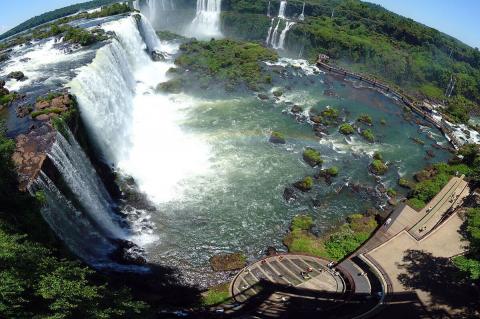
Iguaçu Falls is one of the world's most magnificent natural spectacles. Located at the border between Brazil and Argentina, the falls are part of the Iguaçu River, which plunges dramatically over the Paraná Plateau before continuing through a canyon. Featuring around 275 individual waterfalls, Iguaçu Falls is nearly three times wider than North America's Niagara Falls and significantly broader than Victoria Falls in Africa. The falls are a UNESCO World Heritage Site, attracting millions of visitors annually to witness their awe-inspiring beauty and ecological significance.

Jesuit Missions of Paraguay: La Santísima Trinidad de Paraná and Jesús de Tavarangue

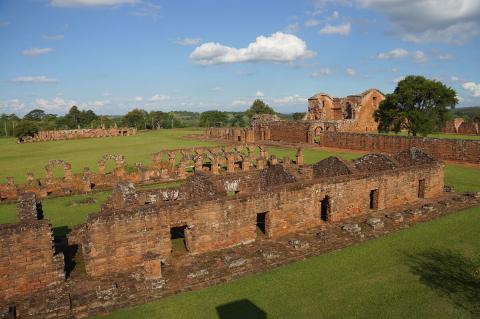
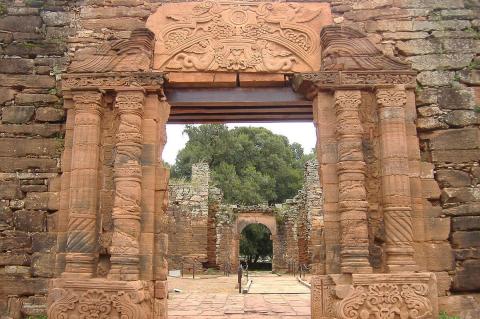
The Jesuit Missions in Paraguay, established during the 17th and 18th centuries, are powerful symbols of the Society of Jesus's efforts to integrate European religious and cultural practices with those of the indigenous Guaraní people. Through a policy of cultural accommodation, these missions blended European Baroque artistry with indigenous traditions, resulting in a unique Guaraní Baroque style that is still admired today. These missions also became centers for education, arts, and economic development, marking a transformative era in South America's history.

Jesuit Missions of the Guaranis: A Cultural Convergence in South America

The Jesuit Missions of the Guaranis, located in Argentina and Brazil, showcase the convergence of European and indigenous cultures during the 17th and 18th centuries. These settlements, founded by the Society of Jesus, aimed to Christianize and integrate the Guaraní people into a religious and cultural system that remains a testament to harmonious coexistence. This chapter of history is marked by remarkable architecture, cultural exchange, and a legacy that has earned recognition as a UNESCO World Heritage Site.

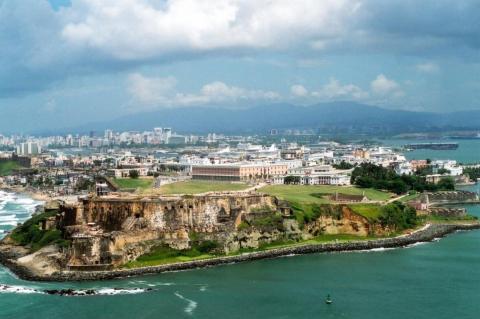
La Fortaleza and San Juan National Historic Site: Fortress of the Spanish Empire

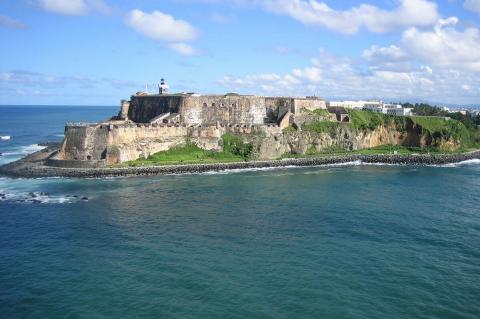
Nestled within the heart of Old San Juan, Puerto Rico, the La Fortaleza and San Juan National Historic Site stand as silent sentinels, bearing witness to centuries of history. Recognized as a UNESCO World Heritage Site, this architectural ensemble represents the oldest European construction in the United States and one of the oldest in the New World. The site is part of the more extensive Old San Juan Historic District, a living testament to the Spanish colonial influence in the Caribbean.

La Moneda Palace: Symbol of Chilean Democracy, Resilience, and Civic Heritage

La Moneda Palace in Santiago, Chile, also known as Palacio de la Moneda, is an iconic symbol of Chilean history, politics, and resilience. Originally constructed as a colonial mint house in the late 18th century, the palace has witnessed significant historical events, including the transformation of its role from a coin-producing facility into the seat of political power.

Lake Izabal and Castillo de San Felipe de Lara: Guatemala's Historic and Natural Treasures

Lake Izabal, Guatemala's largest lake, is a vital resource with significant historical importance. Located in the east, it connects inland rivers to the Caribbean Sea via the Río Dulce. At its entrance, Castillo de San Felipe de Lara symbolizes Guatemala's colonial past. Built in the 17th century, it protected Spanish trade from pirates and is now a national monument. The nearby Río Dulce National Park, with its rainforests and unique ecosystems, adds to the area's ecological and cultural value.