National Landmark

The Churches of Chiloé: Enduring Sanctuaries of Faith, Culture, and Architectural Ingenuity

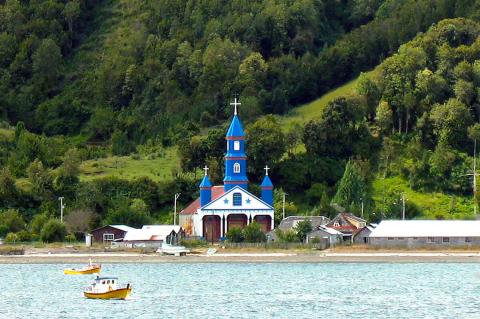
Amidst the breathtaking natural splendor of the Chiloé Archipelago, a remarkable ensemble of churches stands as a testament to the harmonious fusion of Indigenous traditions and Spanish colonial influences. The Churches of Chiloé, numbering around 70 structures scattered across the islands, are more than mere religious edifices; they are living embodiments of the region's rich cultural heritage, architectural ingenuity, and unwavering faith – a fusion of spirituality and artistic expression that has endured for centuries.

The Coffee Cultural Landscape of Colombia: A Living Heritage

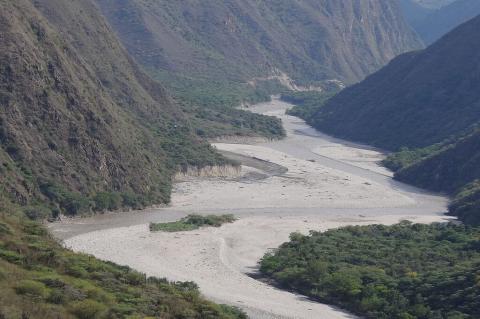
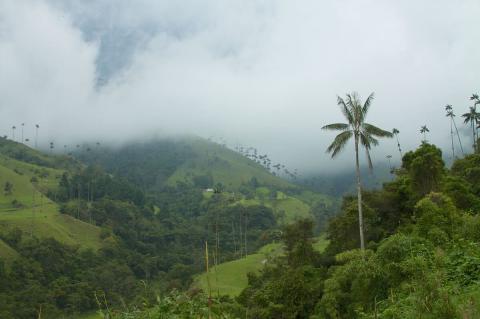
The Coffee Cultural Landscape of Colombia is an exceptional and dynamic region that epitomizes the blend of natural beauty, economic vitality, and cultural richness. Recognized as a World Heritage property, this landscape comprises six farming landscapes that integrate eighteen urban settlements, showcasing the intricate relationship between humans and their environment in the cultivation of coffee.

The Fortress of the Immaculate Conception: Nicaragua's Sentinel on the San Juan River

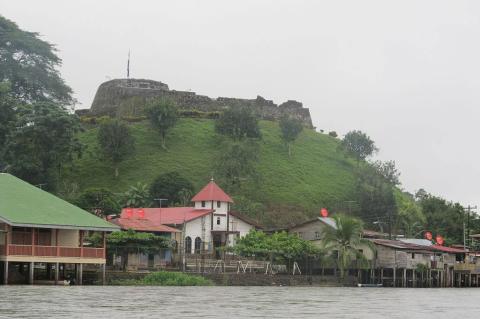
The Fortress of the Immaculate Conception, built by the Spanish between 1673 and 1675 in El Castillo village on a bend of the San Juan River, is one of Nicaragua's most important colonial landmarks. It gained fame through Rafaela Herrera's heroic 1762 defense against a British attack and witnessed Horatio Nelson's 1780 campaign. Now a museum within the Indio-Maíz Biosphere Reserve, it mixes military history, colonial architecture, and rainforest, accessible by boat along the historic river route used by pirates, colonists, and British navies.

The Heart of Buenos Aires: Exploring Plaza de Mayo

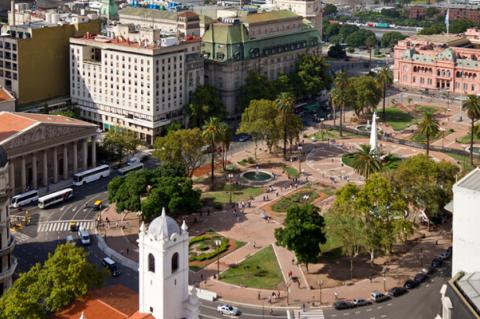
Plaza de Mayo is not merely a public square but the symbolic heart of Buenos Aires and the epicenter of Argentina's political and cultural history. For over two centuries, the plaza has served as a stage for some of the country's most significant events, from the struggle for independence to modern-day protests and celebrations. Its surrounding landmarks, historical significance, and cultural impact make it one of Argentina's most iconic and enduring spaces.

The Historic San Pedro de la Roca Castle: Guardian of Santiago de Cuba

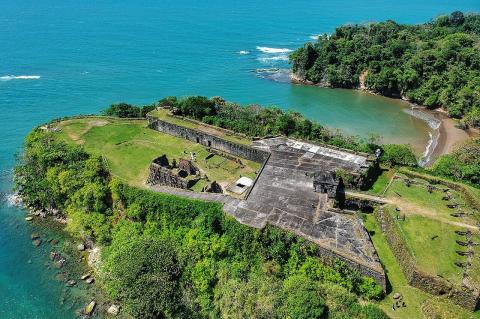
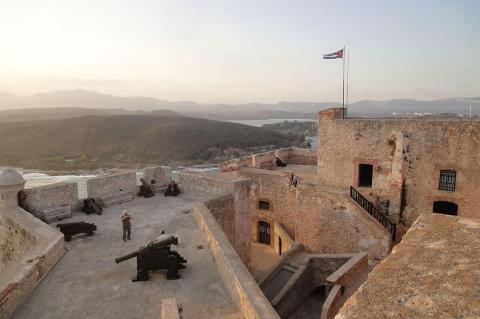
San Pedro de la Roca Castle, also known as Castillo del Morro, is a monumental stone fortress on a rocky promontory overlooking the entrance to Santiago de Cuba Bay on the southernmost coast of Cuba. This fortress, constructed over six decades beginning in 1638, is a remarkable example of Spanish-American military architecture. It embodies the principles of Renaissance military engineering adapted to the Caribbean's unique geographical and strategic demands.

The Jesuit Block and Estancias of Córdoba: A Testament to Cultural Exchange

The Jesuit Block and Estancias of Córdoba stand as a powerful testament to the enduring influence of Jesuit missionaries in shaping South America's cultural, religious, and economic landscape. A UNESCO World Heritage Site, this remarkable ensemble transcends its architectural and historical significance. It embodies a vast religious, political, economic, legal, and cultural system, leaving an indelible mark on the region's development.

The Legacy of the Camino Real de Tierra Adentro

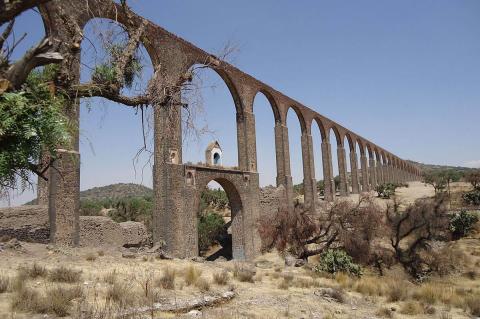
The Camino Real de Tierra Adentro, also known as the Silver Route, is a significant part of Mexico's history, reflecting its economic, cultural, and social evolution over three centuries. This royal inland road was the northernmost of four major "royal roads," linking Mexico City with key mining regions. Its primary purpose was transporting silver and mercury, but the route became a critical artery for cultural and social exchanges between Spanish settlers and indigenous communities.

The Magnificent Teatro Amazonas: A Jewel in the Heart of the Amazon

Deep within the lush embrace of the Amazon Rainforest stands the remarkable Teatro Amazonas, a testament to human ingenuity and artistic expression. It took over 15 years to construct the theater, with artists, designers, and materials imported from Europe, to create a one-of-a-kind cultural institution. This iconic opera house, situated in the bustling city of Manaus, Brazil, is a true architectural masterpiece. Its grand neo-classical façade and exquisite interiors captivate all who enter its doors.

The Modernist Legacy of the University City of Caracas

The University City of Caracas is the main campus of the Central University of Venezuela, located in the heart of Caracas, the nation's capital. Designed by the renowned Venezuelan architect Carlos Raúl Villanueva, the campus is celebrated as one of Latin America's most outstanding examples of modernist architecture and urban planning. Recognized as a UNESCO site, it is considered Villanueva's crowning achievement, fusing architecture, art, and landscape into a coherent urban masterpiece.

The Pan-American Highway: Linking North, Central, and South America

Stretching from the frozen tundras of Alaska to the windswept landscapes of Tierra del Fuego, the Pan-American Highway is a testament to human ingenuity and the indomitable spirit of connectivity. This vast network of roads is one of the most extensive and ambitious transportation systems ever conceived, serving as a vital artery for trade, tourism, and cultural exchange across the Americas. Despite the monumental achievements of the highway, a formidable obstacle remains – the Darién Gap.