National Landmark

Paramaribo's Historic Inner City: A UNESCO World Heritage Jewel

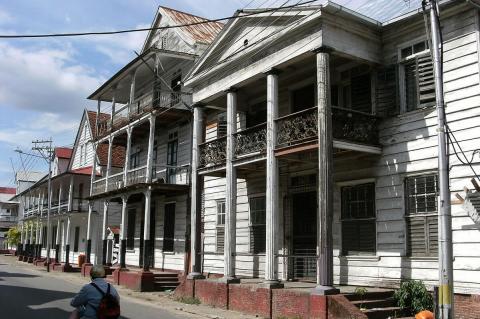
Nestled along the Suriname River in northeastern South America, Paramaribo, Suriname’s capital and largest city, is celebrated for its rich historical legacy and diverse cultural fabric. Paramaribo is a testament to Suriname’s colonial history and vibrant multicultural society. Designated as a UNESCO World Heritage Site under the title “Historic Inner City of Paramaribo,” the city is known for its distinctive blend of Dutch colonial architecture, tropical setting, and cultural fusion.

Preserving Haiti's Rich Heritage: The National History Park - Citadel, Sans-Souci, Ramiers

Nestled amidst the rugged peaks of the Massif du Nord in Haiti lies a testament to the island's tumultuous past and enduring spirit: the National History Park - Citadel, Sans-Souci, Ramiers. This UNESCO World Heritage Site is a poignant reminder of Haiti's rich cultural heritage and storied journey to independence. Set against the backdrop of lush tropical forests and majestic mountains, the park is a living testament to the resilience and determination of the Haitian people, who have overcome centuries of colonial oppression and adversity.

Preserving the Past: The Historic Legacy of Trinidad and the Valle de los Ingenios

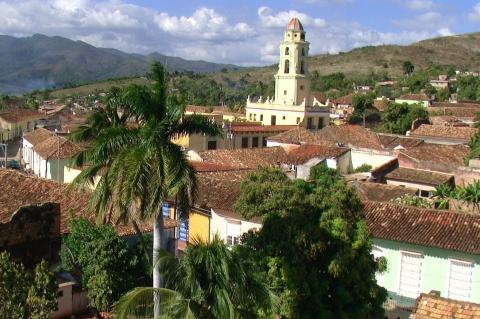
Trinidad, a city steeped in history and charm, is located in the province of Sancti Spíritus in central Cuba. Trinidad flourished during the late 18th and 19th centuries as a hub of the sugar industry. The nearby Valle de los Ingenios played a crucial role in this prosperity, with its numerous sugar mills driving the region's economic growth. Today, Trinidad and the Valle de los Ingenios form a UNESCO site, preserving the architectural splendor and industrial heritage of a bygone era.

Quito's Historic Center: A Cultural Crossroads in the Andes

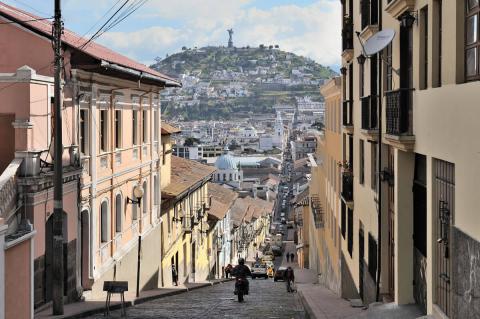
The Historic Center of Quito, Ecuador, represents a profound blend of history, culture, and architectural marvels. Designated as a UNESCO World Heritage Site, this remarkable area showcases the convergence of indigenous traditions, Spanish colonial influence, and modern developments. It remains a vibrant testimony to centuries of cultural and historical evolution, offering visitors a glimpse into Quito's rich and dynamic past.

Recoleta, Buenos Aires: A Historic and Cultural Jewel

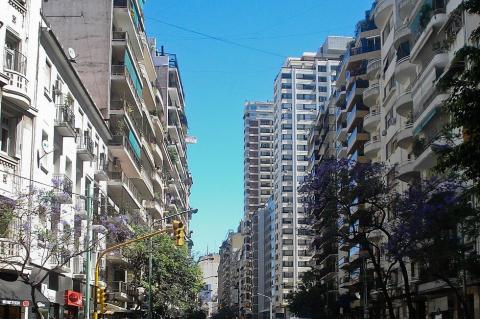
Recoleta is one of Buenos Aires' most distinguished neighborhoods, renowned for its blend of history, architecture, and culture. This downtown residential area is defined by its stunning Beaux-Arts architecture, elegant mansions, and the world-famous La Recoleta Cemetery. Originally named after a Franciscan monastery, the neighborhood has evolved into one of the city's most stylish and sought-after districts, attracting tourists, wealthy residents, and cultural enthusiasts alike.

Salar de Uyuni: A Mesmerizing Salt Expanse in the Heart of Bolivia

Located in the southwestern corner of Bolivia, the Salar de Uyuni is one of the most remarkable and captivating natural wonders on Earth. This salt flat is the largest in the world and is a testament to the incredible geological and climatic forces that have shaped the Andean region over millennia. The vast expanse of the Salar de Uyuni is home to Isla Incahuasi. This hilly and rocky outcrop was once a fully submerged island during the area's prehistoric lake period.

São Cristóvão: A Colonial Masterpiece in Brazil's Northeast

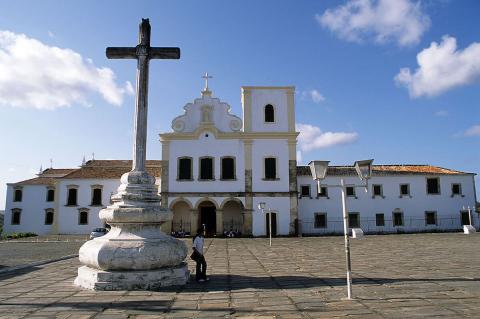
São Cristóvão, located in the northeastern state of Sergipe, Brazil, is one of the oldest colonial settlements in the country and holds a special place in Brazil's colonial history. The town is best known for São Francisco Square, which reflects a unique blend of Spanish and Portuguese colonial city planning and architecture. São Cristóvão's historical significance is further enriched by its collection of early colonial buildings, including churches, convents, and civil structures, which demonstrate the cultural and architectural evolution of the region.

Sewell: The City of Stairs - A Legacy Carved into the Andes

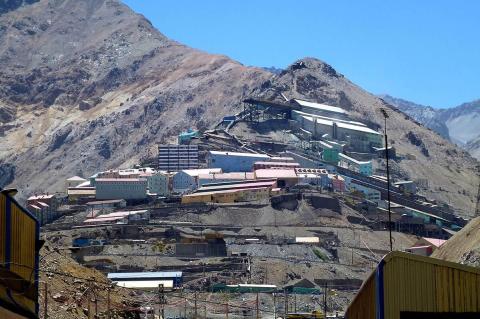
Perched high in the Chilean Andes, Sewell is a testament to human ingenuity and the pioneering spirit of the early 20th century. This abandoned mining town, clinging precariously to steep mountain slopes, tells a compelling story of industrial ambition, community life, and architectural innovation. Known as "The City of Stairs," Sewell's unique vertical layout and rich history have earned it recognition as a UNESCO World Heritage Site, preserving its legacy for future generations.

The Aqueduct of Padre Tembleque: A Hydraulic Masterpiece

The Aqueduct of Padre Tembleque, named after the Franciscan friar Francisco de Tembleque, is a remarkable example of water conduction engineering in the Americas. Constructed between 1555 and 1572, it spans the states of Mexico and Hidalgo in the Central Mexican Plateau. Recognized as a UNESCO site, the aqueduct represents a unique blend of European and indigenous engineering traditions, showcasing an impressive combination of Roman hydraulic principles and Mesoamerican construction techniques.

The Chicamocha Canyon and National Park: Colombia's Natural Wonder

Nestled within the rugged Andes Mountains of northern Colombia, the Chicamocha Canyon is a testament to nature's awe-inspiring power and beauty. This colossal geological wonder, carved over eons by the relentless forces of the Chicamocha River, is among the largest canyons in the world. Encompassing a vast area, the canyon's immense depths reveal a breathtaking landscape of towering cliffs, winding rivers, and diverse ecosystems. Chicamocha National Park lies within the canyon.