Bolivia

The Madre de Dios River: Gateway to the Amazon Basin

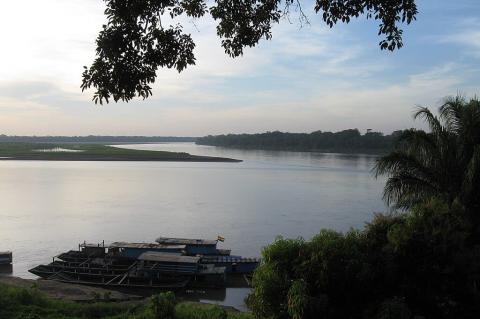
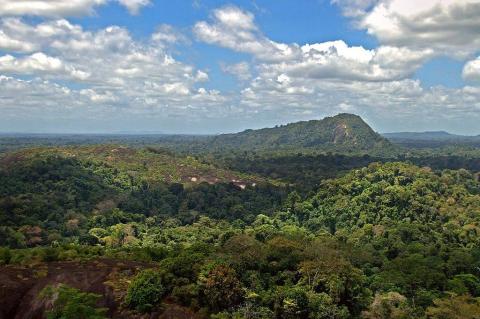
The Madre de Dios River, a vital headwater tributary of the Amazon River, forms an essential part of the Amazon River drainage basin and plays a crucial role in the geography and ecology of Peru and Bolivia. The river, originating in the Andes, flows through vast stretches of tropical rainforest, providing transportation, sustenance, and a lifeline for the sparse populations living along its banks. The river's basin is home to significant biodiversity and supports a variety of ecosystems while also serving as an essential route for the region's Indigenous peoples.

The Pilcomayo River: A Lifeline Traversing South America

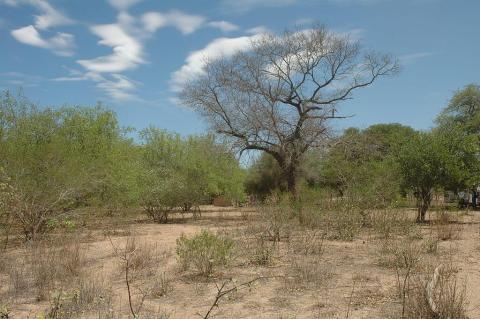
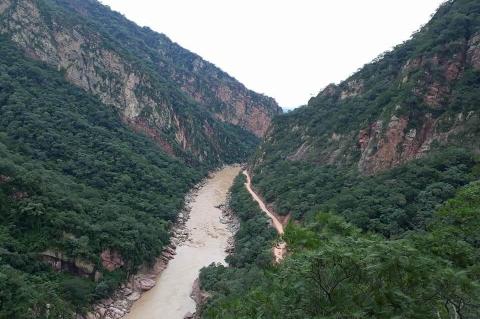
Winding its way through the heart of South America, the Pilcomayo River stands as a vital watercourse that interweaves the landscapes and ecosystems of Argentina, Bolivia, and Paraguay. Originating from the Andes, this remarkable river embarks on a journey that not only shapes the physical terrain but also sustains a rich tapestry of biodiversity, leaving an indelible mark on the diverse regions it traverses.

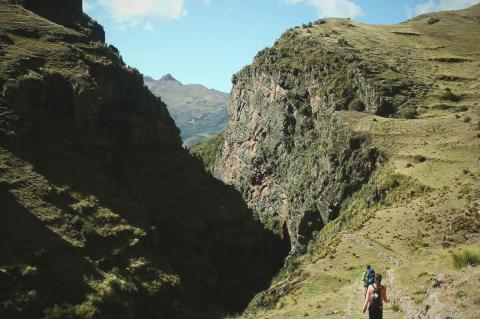
The Qhapaq Ñan: Weaving an Empire Through Stone and Sky

Stretching across the spine of South America, the Qhapaq Ñan represents one of humanity's most ambitious engineering achievements. This network of pathways once carried the footsteps of llamas laden with precious cargo, alpacas bearing the finest textiles, and chasqui messengers racing between distant provinces of the vast Inca Empire. More than mere roads, these ancient highways served as the nervous system of Tawantinsuyu, the "Land of the Four Quarters," binding together a realm that spanned from the emerald depths of the Amazon to the windswept altiplano.

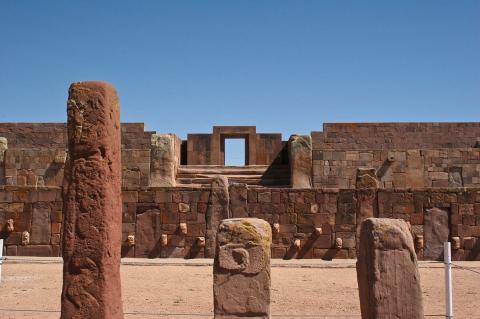
Tiwanaku Ruins: The Heart of an Ancient Andean Civilization

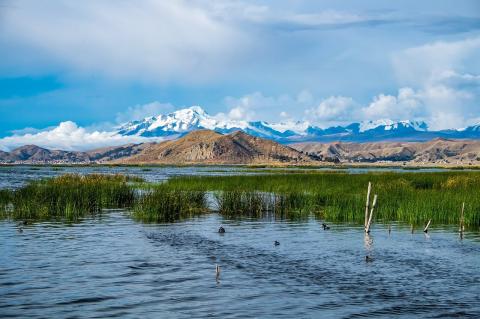
Located on the southern shore of Lake Titicaca in Bolivia, Tiwanaku is an impressive archaeological site that bears witness to one of the most advanced pre-Columbian civilizations in the Andes. Tiwanaku was once the political and cultural capital city of a powerful empire, exerting influence over vast regions of the southern Andes. This UNESCO World Heritage Site offers a rare insight into the technological and artistic achievements of its time, from its monumental stone structures to its sophisticated agricultural systems.

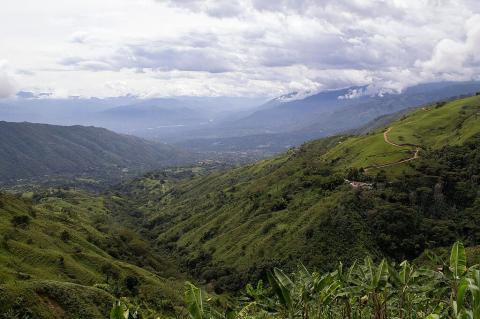
Tropical Andes - Biodiversity Hotspot: Preserving the Ecological Jewel

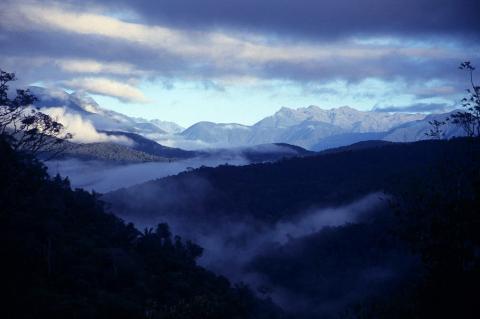
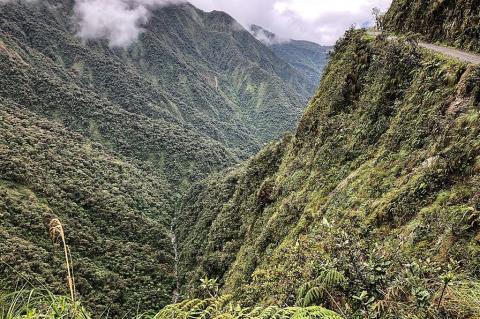
The Tropical Andes region spans from northern Venezuela to Bolivia and includes the northernmost Andes mountain ranges. This region is home to the Tropical Andes Biodiversity Hotspot, the most biologically diverse of all known hotspots and harbors around one-sixth of all plant life on the planet. However, the Tropical Andes are encountering significant challenges that threaten their ecological significance.

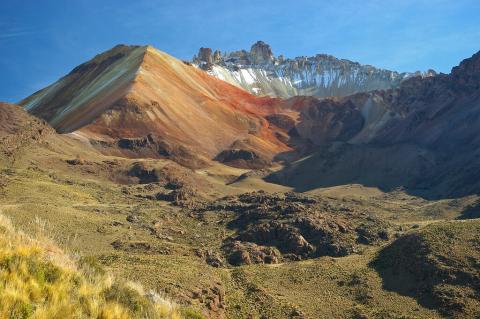
Tunupa: Sentinel of the Bolivian Altiplano's Geological and Hydrological Wonders

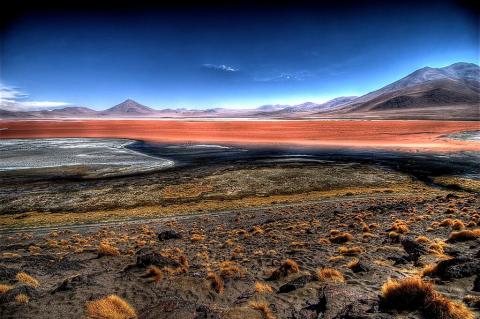
Nestled in the heart of the Bolivian Altiplano, the Tunupa Volcano is a towering witness to the region's geological and hydrological history. This dormant volcanic giant overlooks the vast expanses of the Salar de Uyuni and Salar de Coipasa, two of Bolivia's most extensive salt flats. Beyond its imposing presence, Tunupa holds the secrets of ancient lakes that once graced these high-altitude landscapes.

Ulla-Ulla Biosphere Reserve: Bolivia's High-Altitude Sanctuary

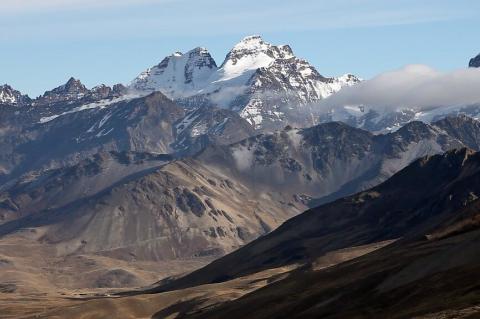
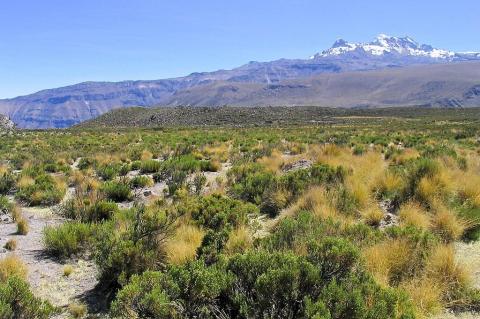
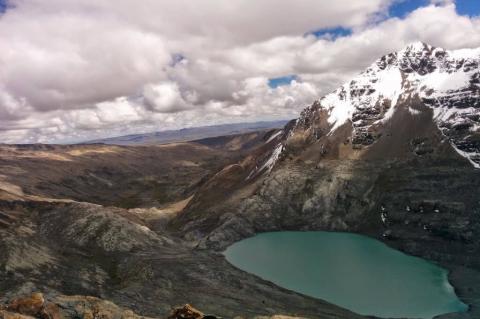
Nestled in the lofty elevations of Bolivia, the Ulla-Ulla Biosphere Reserve stands as a testament to the diverse wonders that thrive in the Central Andean wet puna ecoregion. This reserve is a mosaic of ecological marvels, encompassing the expansive high plateau, pristine tundra, towering Cordillera, majestic mountains, serene lakes, the origins of rivers, and a perpetual snow zone.

Unveiling Potosí: A Legacy of Silver and Splendor

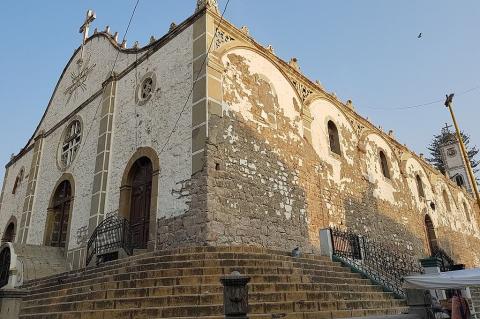
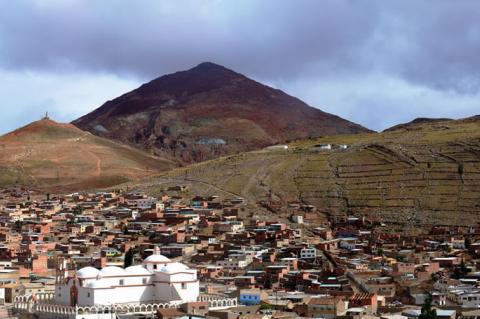
Potosí, Bolivia, is situated in the Andes and is renowned for its colonial history. The city is a live museum of the silver mining industry, which once brought immense wealth and historical significance to the region. Potosí's history is closely intertwined with the discovery of the Cerro Rico silver deposit in 1545. This discovery transformed the city into one of the largest and wealthiest urban centers in the Americas during the Spanish colonial period.