Bolivia

Llanos de Moxos: A Legacy of Ancient Engineering and Agriculture

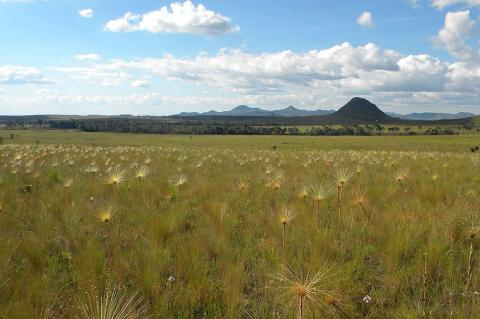
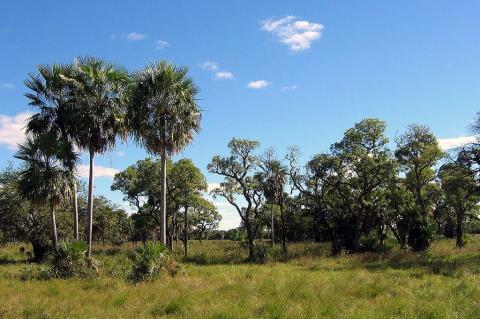
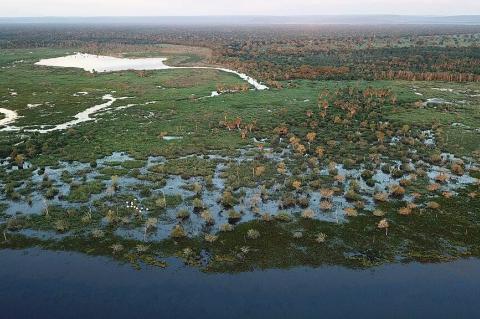
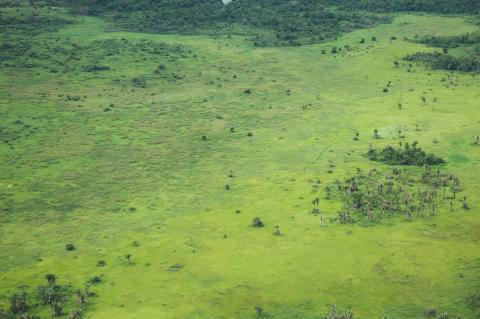
The Llanos de Moxos, located in the Beni Department of northern Bolivia, is one of South America's most significant archaeological regions. It offers an unparalleled window into the lives of pre-Columbian societies that thrived in the tropical savanna. What sets this region apart is its vastness and the extraordinary density of archaeological sites within the Amazon basin, revealing a sophisticated history of landscape engineering and agricultural innovation.

Madeira River: A Lifeline of the Amazon Basin

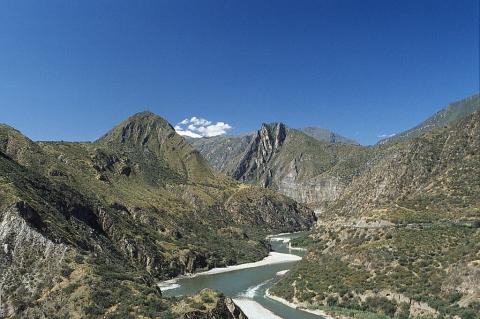
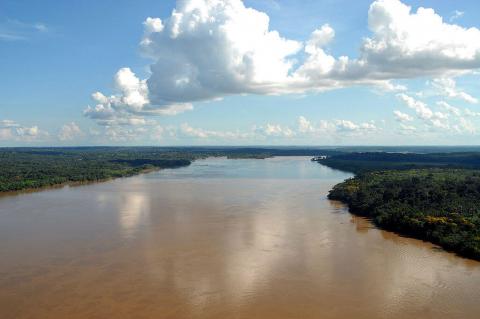
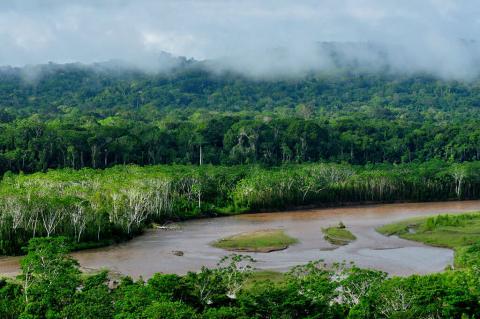
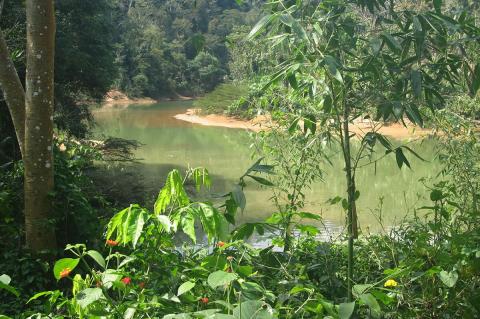
The Madeira River is one of South America's most significant waterways, playing a crucial role in the hydrology of the Amazon Basin. It is the largest and most important tributary of the Amazon River, making it a vital component of the region's ecosystem. Spanning Bolivia and Brazil, this mighty river traverses diverse landscapes and supports an array of flora and fauna, underscoring its importance as both a natural resource and a habitat.

Madidi National Park: Bolivia's Breathtaking Biodiversity Oasis

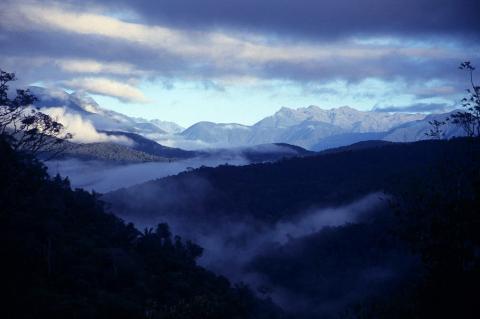
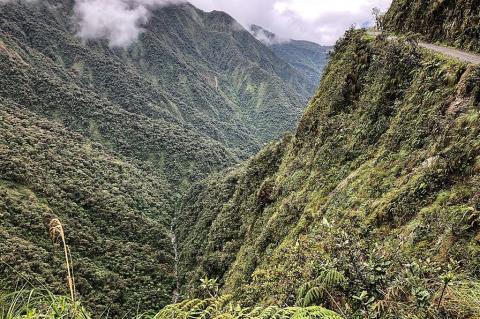
Madidi National Park in Bolivia is a biodiversity oasis in the upper Amazon River basin. It safeguards diverse ecoregions and climates, forming a vast protected network. Madidi is a biological marvel, hosting an extravaganza of fauna and flora. It also hosts Indigenous communities facing challenges. Conservation initiatives emphasize this global treasure's delicate harmony of nature and culture.

Nevado Illimani: Bolivia's Sacred Sentinel

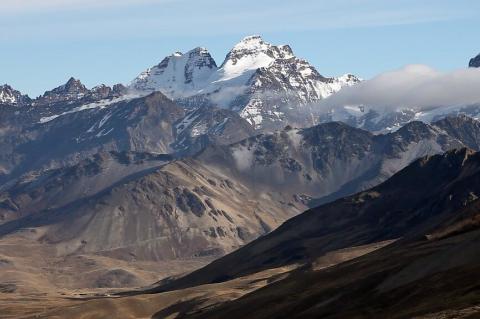
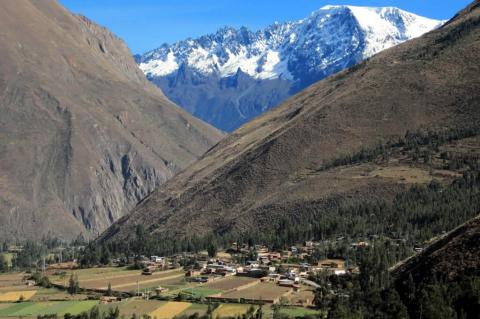
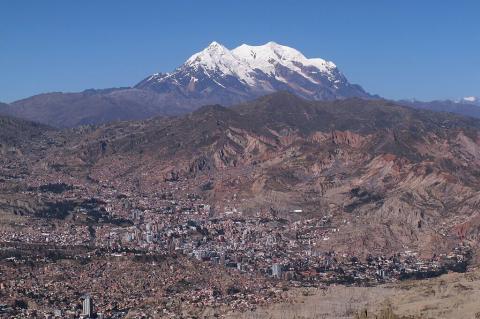
Rising majestically from the Altiplano like a crystalline fortress, Illimani stands as one of South America's most iconic mountains. This massive, glaciated peak dominates the La Paz skyline and serves as both a geographical landmark and spiritual guardian. For centuries, Illimani has captured the imagination of Indigenous peoples, explorers, and mountaineers alike. Its snow-capped summit, visible from hundreds of kilometers away, represents the intersection of natural grandeur, ancient spirituality, and modern adventure that define the Bolivian Andes.

Nevado Sajama: Bolivia's Crown Jewel of the Andes

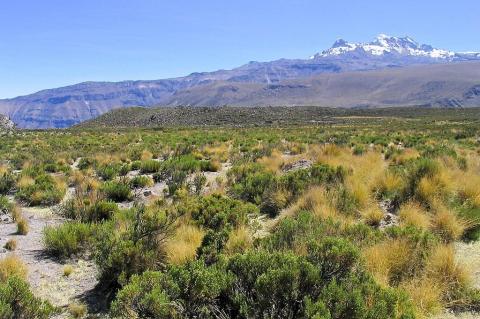
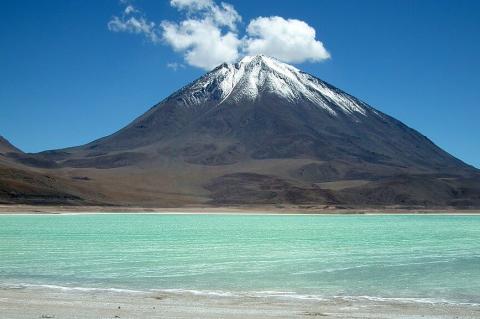
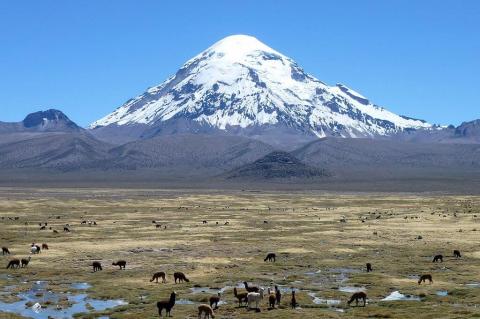
Nestled in Bolivia's remote highlands, Nevado Sajama is the country's tallest peak. This dormant stratovolcano, part of the Cordillera Occidental volcanic chain, is a natural marvel that marks Bolivia's western border. Beyond its impressive stature, Nevado Sajama serves as the centerpiece of Sajama National Park. This region harmoniously blends breathtaking Andean landscapes, unique high-altitude ecosystems, and the enduring cultural heritage of the Aymara people.

Noel Kempff Mercado National Park: Bolivia's Natural Treasure

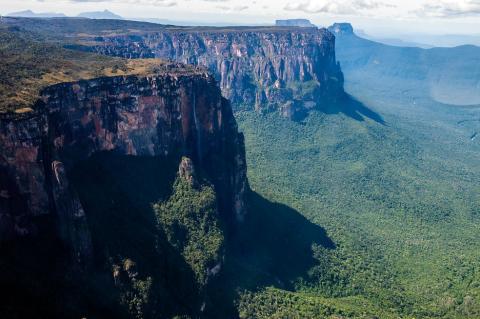
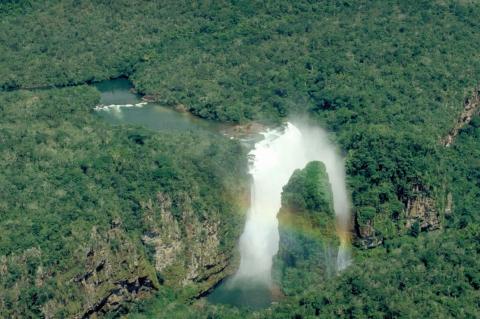
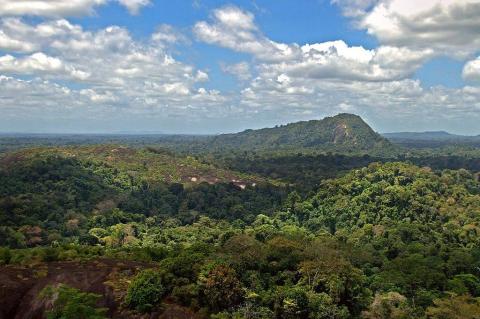
Noel Kempff Mercado National Park, located in the Santa Cruz Department of northeastern Bolivia, is one of the most pristine and expansive protected areas in the Amazon Basin. It is a unique ecological treasure at the confluence of the Amazon rainforest and the Chiquitano dry forests. This remarkable park, recognized as a UNESCO World Heritage Site, offers a glimpse into an evolutionary history that spans over a billion years and boasts an astonishing diversity of flora and fauna.

Pilón-Lajas Biosphere Reserve and Communal Lands (Bolivia)

The Pilón Lajas Biosphere Reserve, located in Bolivia on the eastern spur of the Andes, is a remarkable convergence of biodiversity and cultural heritage. Spanning the departments of La Paz and Beni, this reserve encompasses various ecosystems, including humid tropical forests, subtropical forests, and Amazonian plains. Home to many plant and animal species, the reserve protects the cultural heritage of the Tsimane', Mosetene, and Tacana Indigenous communities.

Salar de Uyuni: A Mesmerizing Salt Expanse in the Heart of Bolivia

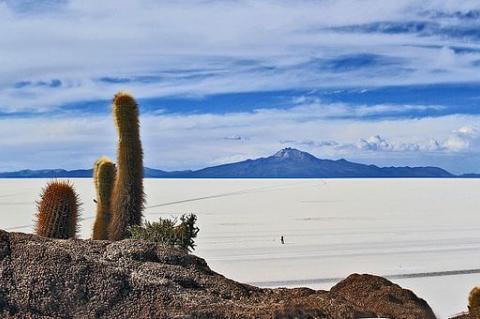
Located in the southwestern corner of Bolivia, the Salar de Uyuni is one of the most remarkable and captivating natural wonders on Earth. This salt flat is the largest in the world and is a testament to the incredible geological and climatic forces that have shaped the Andean region over millennia. The vast expanse of the Salar de Uyuni is home to Isla Incahuasi. This hilly and rocky outcrop was once a fully submerged island during the area's prehistoric lake period.

Santa Cruz: The Economic and Cultural Heart of Bolivia

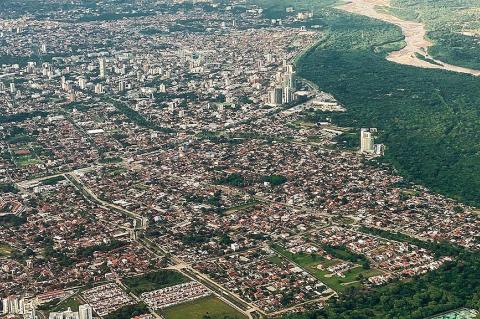
Santa Cruz is a city of remarkable contrasts and dynamic growth. Located in the tropical lowlands of eastern Bolivia, it is the country's largest city and a hub of economic and cultural activity. With its modern skyline, rich history, and diverse population, the city is a vibrant example of Bolivia's evolving identity. This bustling metropolis blends the charm of its colonial past with the present opportunities, offering visitors a unique insight into the country's most populous region.

Sucre: Bolivia's Jewel of Colonial Grandeur and Architectural Fusion

Nestled in the heart of Bolivia's south-central region, Sucre stands as a living testament to the country's rich colonial heritage and the harmonious fusion of indigenous and European architectural styles. Founded in 1538 by Spanish settlers, this historic city has undergone a remarkable transformation from its humble beginnings on the lands of the Yampara indigenous culture to its current status as Bolivia's constitutional capital and a UNESCO World Heritage Site.