Peru

Puerto Maldonado: Gateway to the Peruvian Amazon

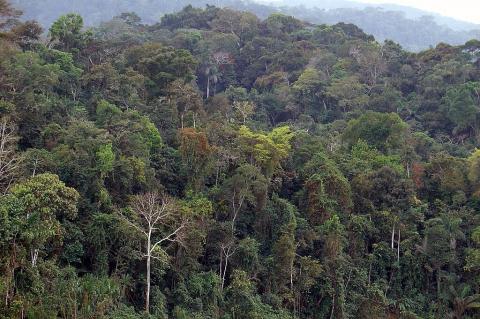
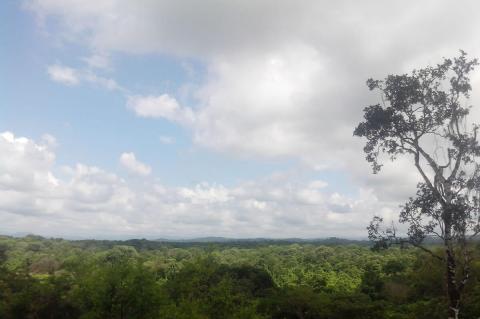
Puerto Maldonado, a vibrant city nestled in southeastern Peru, is the capital of the Madre de Dios region and a vital gateway to the Amazon rainforest. Known for its rich biodiversity, Puerto Maldonado attracts visitors with its lush landscapes, diverse wildlife, and unique eco-lodges that offer an immersive Amazonian experience. Located near the Tambopata National Reserve and the Manu National Park, the city provides an ideal starting point for exploring one of the most biodiverse ecosystems on Earth.

Purus River: Lifeblood of the Southwestern Amazon

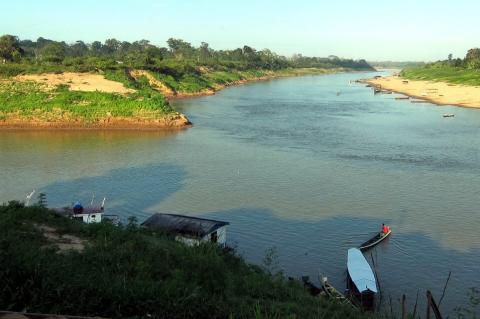
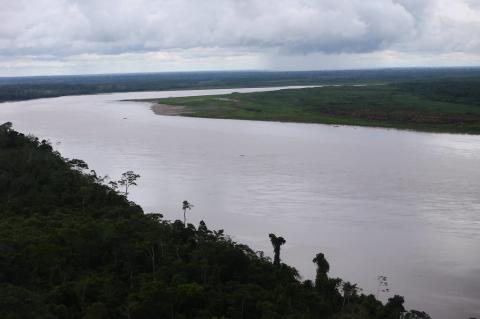
The Purus River is one of the Amazon Basin's significant tributaries, winding its way through the heart of the Amazon Rainforest. Originating in the Ucayali Basin in Peru, the river traverses a vast expanse of wilderness before merging with the Amazon River in Brazil. The Purus River's extensive basin is a vital hydrological and ecological feature of the Amazon, supporting diverse flora, fauna, and human communities.

Río Abiseo National Park: A Peruvian Wonder of Nature and Culture

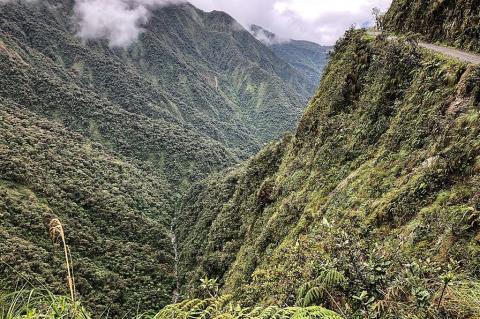
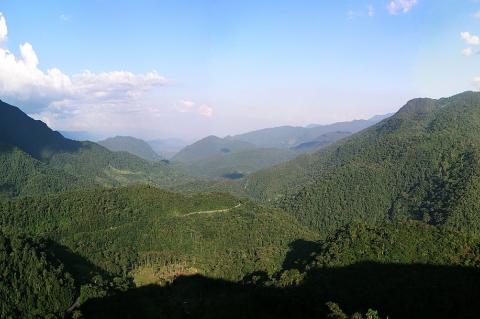
Nestled in the San Martín department of Peru, on the eastern slope of the tropical Peruvian Andes, lies Río Abiseo National Park, a World Heritage Site that seamlessly blends natural and cultural wonders. This unique protected area not only harbors a rich tapestry of biodiversity but also serves as a testament to the ancient civilizations that once thrived within its boundaries.

Serra del Divisor National Park: A Stronghold of Amazonian Biodiversity

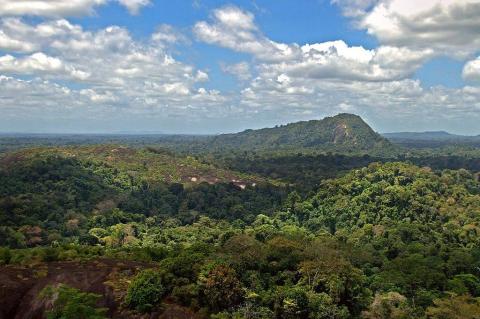
Serra del Divisor National Park, a remarkable natural reserve in the Amazon rainforest of Peru, represents one of the most significant conservation areas in the world. This vast park, located along the Peru-Brazil border, connects it with the Serra do Divisor National Park in Brazil, forming one of the largest contiguous protected areas in the Amazon basin. This region, known for its unique geological formations, rich biodiversity, and cultural significance, is crucial in global conservation efforts.

Tambopata National Reserve: A Biodiversity Hotspot in the Heart of the Peruvian Amazon

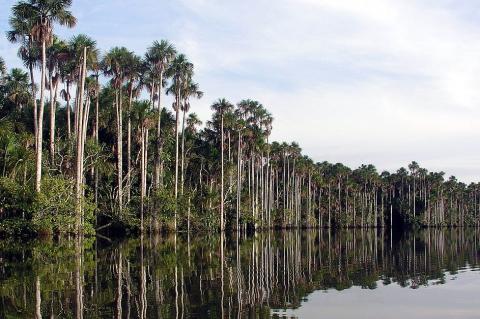
Nestled in the southeastern region of Peru, the Tambopata National Reserve is a remarkable testament to the earth's vast biodiversity. This enormous expanse of subtropical rainforest harbors an extraordinary array of ecosystems, from forested hills and swamps to meandering rivers and oxbow lakes. Established to safeguard the ecological richness of the region, the reserve has become a beacon of conservation, protecting not only the flora and fauna but also the indigenous cultures that have called this land home for generations.

The Alto Mayo Protection Forest: A Verdant Realm Safeguarding Peru's Biodiversity

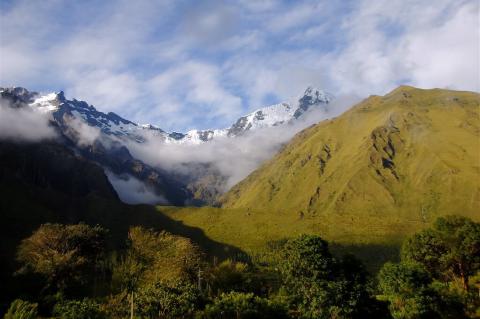
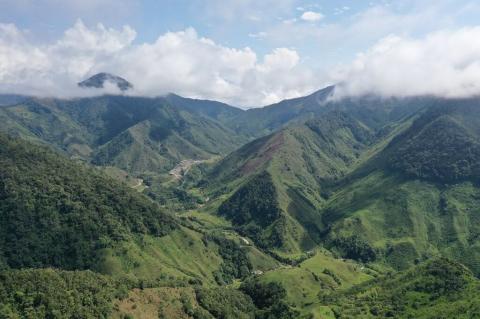
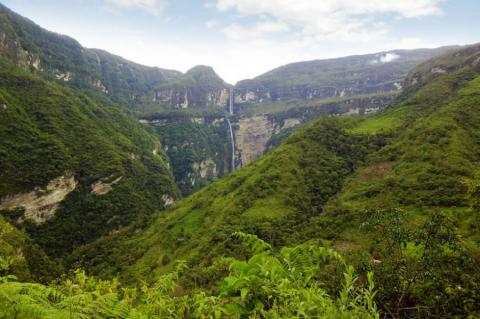
Nestled in the northern reaches of Peru, the Alto Mayo Protection Forest stands as a verdant sanctuary, spanning an impressive expanse within the San Martín region. This protected forestland serves as a vital bulwark, safeguarding a portion of the Peruvian Yungas ecoregion and the upper Mayo River basin, shielding soil and water from the erosive impact of deforestation.

The Andean Volcanic Belt and the Pacific Ring of Fire: Unveiling Earth's Geological Marvels

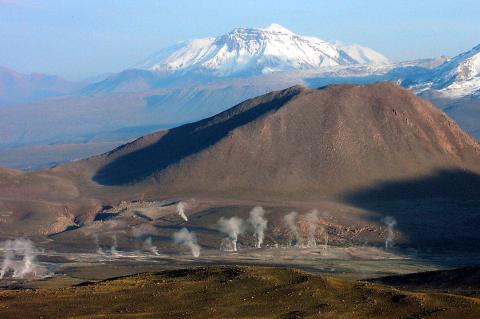
The Andean Volcanic Belt, along South America's western coast, forms as the Nazca and Antarctic plates subduct beneath the South American Plate. This process generates various volcanic zones, illustrating the intricate interplay of Earth's crustal plates. The belt showcases diverse geological phenomena, from the hazards in the Northern Volcanic Zone to the silicic systems in the Central Volcanic Zone and the glaciated stratovolcanoes in the Austral Volcanic Zone.

The Arid Diagonal: South America's Great Drylands

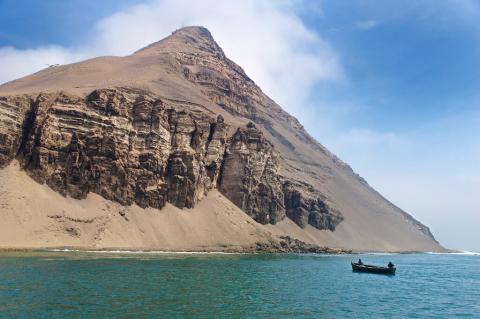
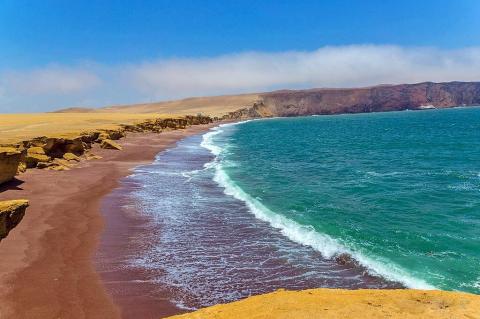
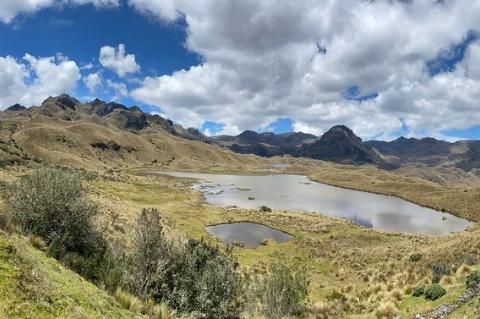
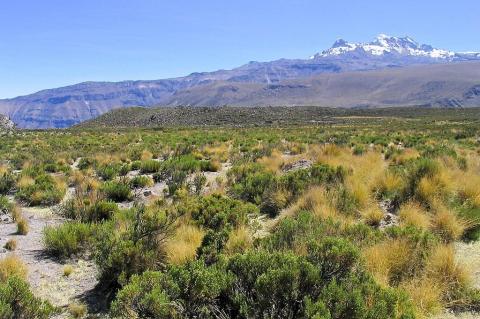
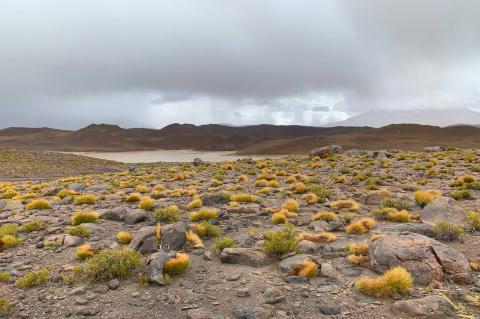
South America's Arid Diagonal is a vast belt of arid and semi-arid ecosystems extending from coastal Peru to southeastern Argentina and northeastern Brazil. The region encompasses diverse desert systems, including the hyperarid Atacama, the ENSO-influenced Sechura, the biodiverse Monte, the wind-swept Patagonian Desert, and the high-altitude Puna. Despite extreme aridity, the diagonal harbors remarkable biodiversity with high endemism levels, particularly in transition zones, though it faces conservation challenges from overgrazing, mining, agricultural expansion, and climate change.

The Bosques de Paz: A Transboundary Oasis of Biodiversity

The Bosques de Paz Transboundary Biosphere Reserve straddles the border of Ecuador and Peru. It is a natural treasure and showcases the collaborative efforts of these two nations to protect a globally significant ecosystem. The reserve spans four regions in the two countries. It was designated a UNESCO Biosphere Reserve in 2018, following the countries' commitment to strengthening their ties and cooperation after a long-standing border dispute that ended in 1998.

The Callejón de Huaylas: Peru's Valley of Eternal Snow

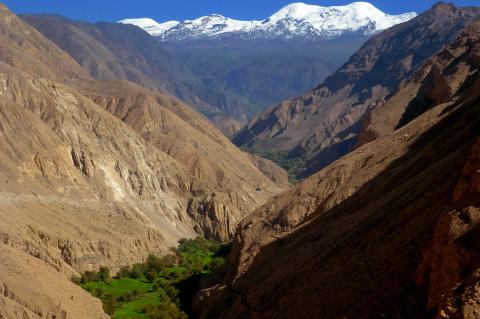
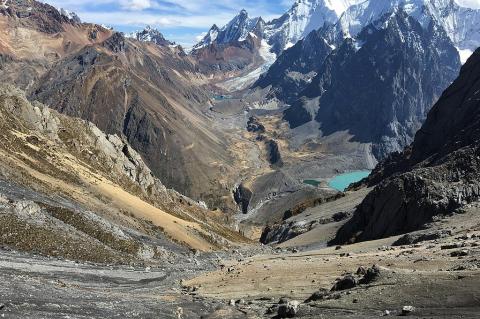
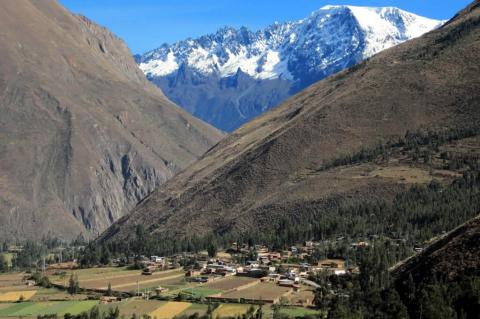
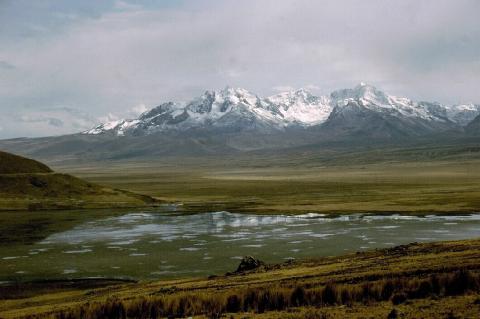
The Callejón de Huaylas is a spectacular inter-Andean valley in Peru's Ancash region, stretching from Laguna Conococha to Cañón del Pato. Positioned between the snow-capped Cordillera Blanca to the east and the darker Cordillera Negra to the west, this fertile valley follows the Santa River and supports diverse ecosystems across multiple altitudinal zones. Home to traditional agricultural communities cultivating potatoes, maize, and barley, the valley serves as the gateway to Huascarán National Park and world-class mountaineering destinations.