Peru

The Central Andean Puna: Unveiling the High-Elevation Wonders

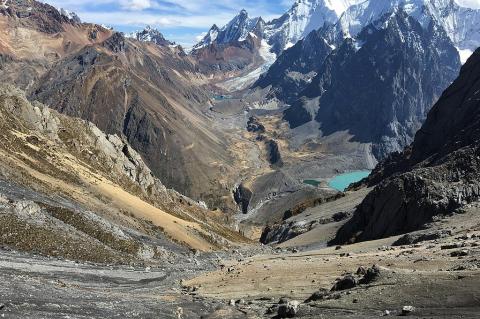
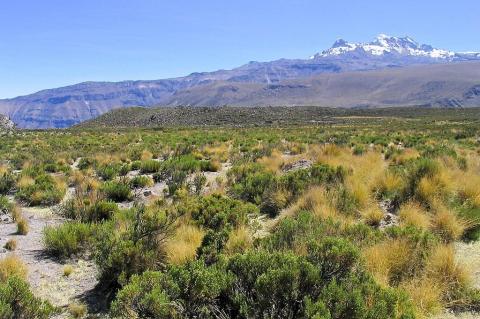
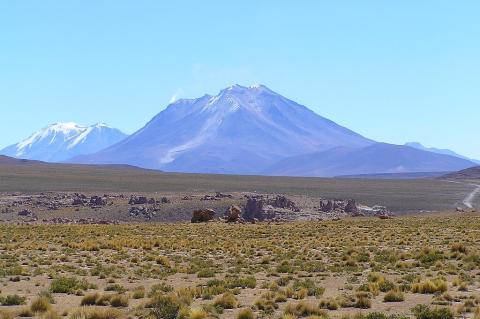
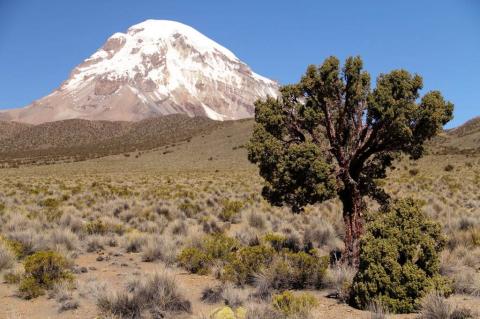
Nestled high amidst the jagged, snow-covered peaks of the Southern Andes lies the Central Andean Puna - a land of rugged resilience crafted from pristine pampas and awe-inspiring altiplano plains. This high-altitude montane grassland stretches across the southern regions of Peru, traversing the rugged Bolivian Altiplano and dipping into the northern corners of Argentina.

The Colca Canyon: Peru's Natural Wonder

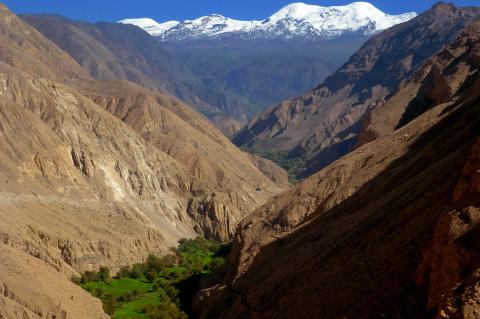
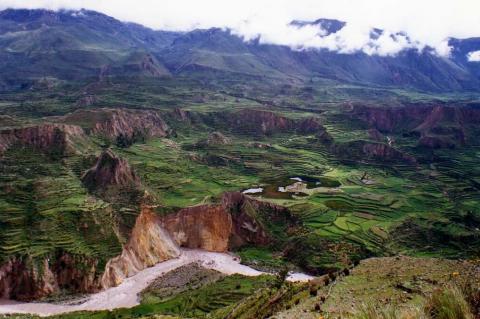
Nestled amidst the towering peaks of the Andes Mountains lies the enchanting Colca Valley, a place of unparalleled beauty and cultural richness. Deep within this valley, the Colca Canyon stands as a testament to nature's awe-inspiring power, carved over millennia by the relentless force of the Colca River. This magnificent canyon is one of the world's deepest and most breathtaking natural wonders.

The Cordillera Central Páramo: A High-Altitude Oasis of Andean Biodiversity

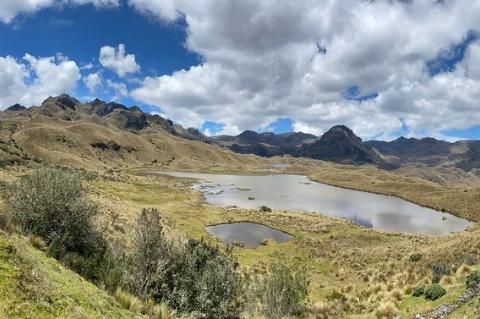
Nestled within the heart of the Andes, straddling the borders of Bolivia and Peru, lies the Cordillera Central páramo ecoregion, a high-altitude expanse that captivates with its rugged beauty and ecological significance. This unique ecosystem, situated between the treeline and the permanent snowline, stands as a living testament to the resilience of nature in the face of extreme conditions.

The Cordillera del Cóndor: An Ecological and Cultural Gem at the Heart of the Andes

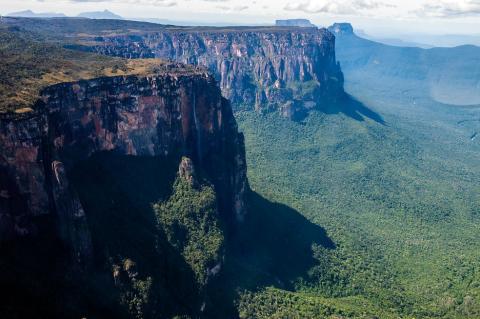
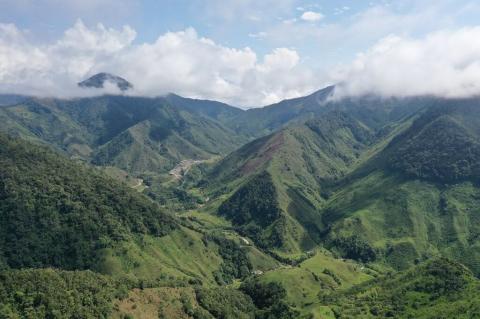
The Cordillera del Cóndor, located on the border between Ecuador and Peru, is a testament to the remarkable diversity of life on our planet. This mountain range, with its rugged peaks and verdant valleys, has captured the attention of scientists and conservationists. It is the ancestral home of the Shuar people and is surrounded by protected areas, offering a journey into one of the world's most biodiverse regions.

The Guano Reserve System: Balancing Nature and History Along Peru's Coast

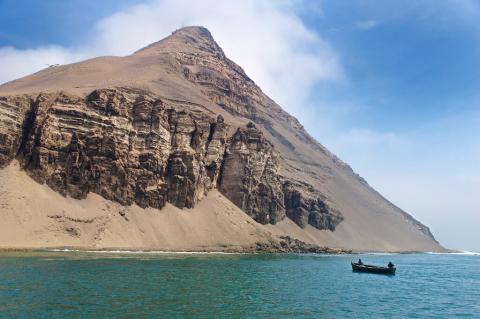
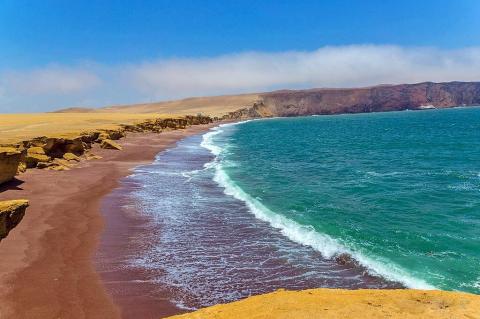
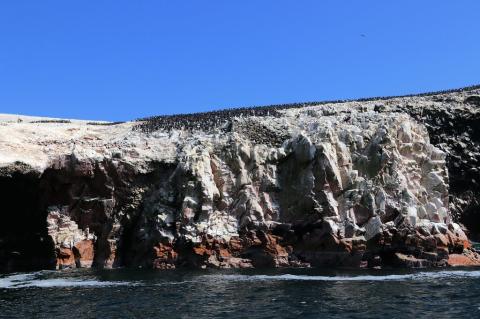
The Guano Islands, Islets, and Capes National Reserve System is one of Peru's most critical protected areas, safeguarding a network of coastal habitats rich in biodiversity and natural resources. The reserve spans the length of the Peruvian coastline, comprising islands, islets, and a collection of coastal promontories. With a primary focus on conserving marine ecosystems and the historic guano-producing islands, the reserve system is a vital refuge for numerous species of birds, marine mammals, and marine life, many of which rely on the nutrient-rich waters of the Humboldt Current.

The Living Heritage of Cusco: A Journey Through Time in Peru's Sacred Valley

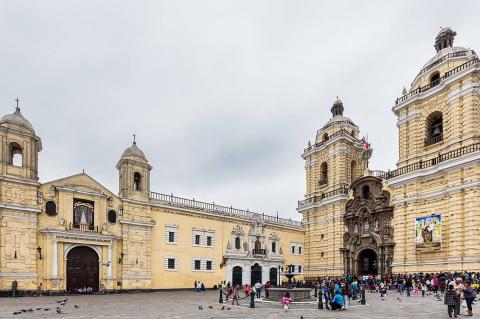
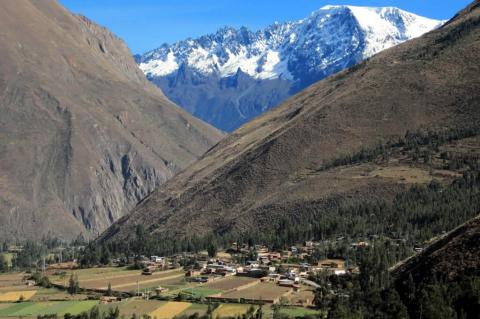
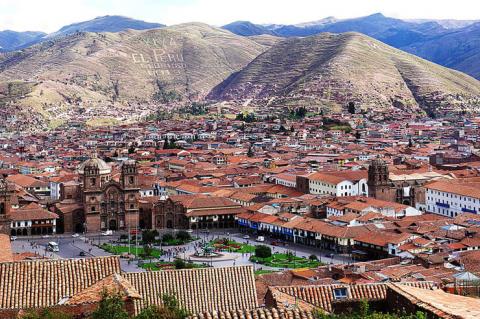
Perched high in the Andes within Peru's Sacred Valley, Cusco exemplifies a living cultural heritage where ancient Inca stonework seamlessly integrates with Spanish colonial architecture. Once the heart of Tawantinsuyu, this UNESCO World Heritage city serves as a gateway to Machu Picchu for millions of annual visitors while maintaining vibrant indigenous traditions. From the legendary Qoricancha temple to bustling markets where Quechua-speaking vendors sell traditional textiles, Cusco reveals a place where the boundaries between past and present dissolve into extraordinary harmony.

The Living Landscape of Oxapampa-Ashaninka-Yanesha

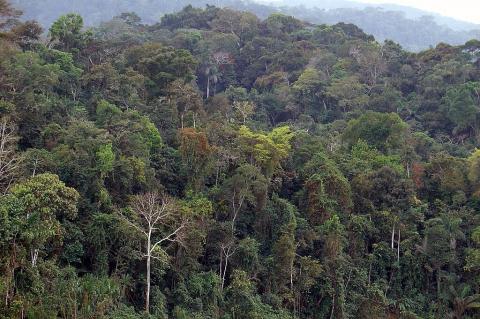
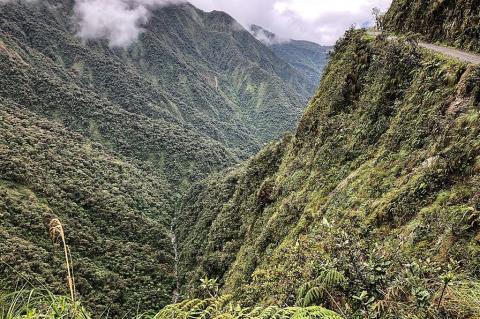
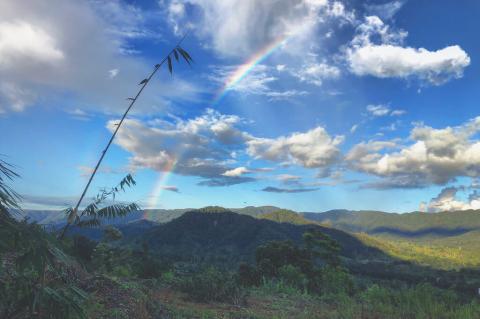
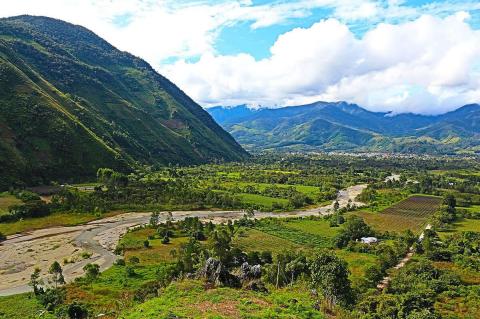
The Oxapampa-Ashaninka-Yanesha Biosphere Reserve, located in central Peru, encompasses one of the most pristine ecosystems on the eastern slopes of the Peruvian Andes, extending into the Amazon Basin. Recognized for its unique biodiversity and cultural heritage, the reserve was designated a Biosphere Reserve in 2010. This region, characterized by its high altitudinal range and diverse habitats, is crucial for conservation and sustainable development efforts.

The Madre de Dios River: Gateway to the Amazon Basin

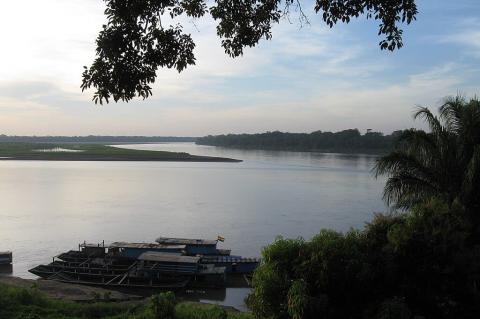
The Madre de Dios River, a vital headwater tributary of the Amazon River, forms an essential part of the Amazon River drainage basin and plays a crucial role in the geography and ecology of Peru and Bolivia. The river, originating in the Andes, flows through vast stretches of tropical rainforest, providing transportation, sustenance, and a lifeline for the sparse populations living along its banks. The river's basin is home to significant biodiversity and supports a variety of ecosystems while also serving as an essential route for the region's Indigenous peoples.

The Marañón Dry Forests: A Haven of Biodiversity in Northwestern Peru

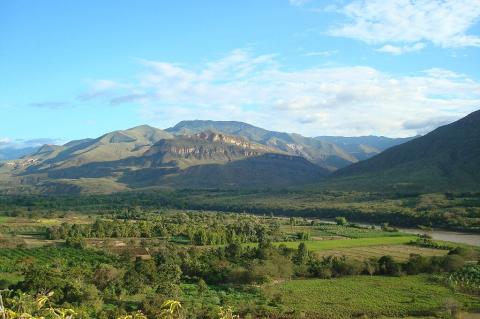
The Marañón dry forests, situated in the upper Marañón River valley and its tributaries in northwestern Peru, represent a biologically rich and distinct ecoregion. This region, spanning the central and northern Andes, features a unique climate and diverse habitats, supporting many endemic species. The Marañón dry forests' ecological significance and challenges underscore the importance of conservation efforts in this remarkable region.

The Marañón River: The Lifeblood of the Amazon's Upper Basin

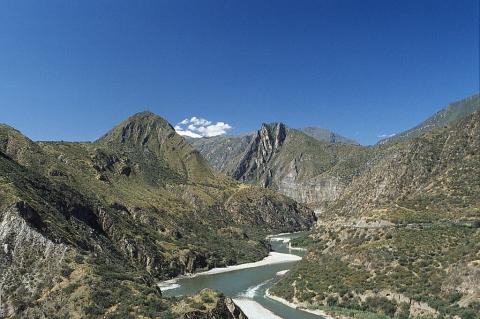
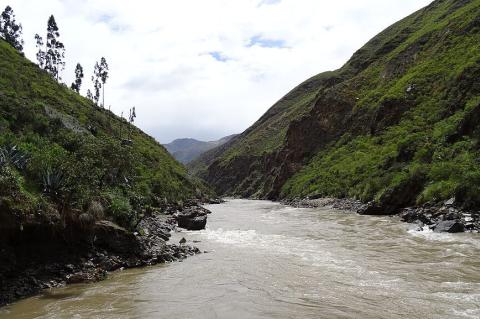
Known as the "Grand Canyon of the Amazon," the Marañón River in Peru is one of South America's most significant waterways. As a principal tributary of the Amazon River, the Marañón shapes the region's geography and serves as a cradle of biodiversity and cultural heritage. It traverses diverse landscapes, from Andean highlands to tropical rainforests, playing a vital role in the ecological and economic life of the region.