Peru

The Napo Moist Forests: A Biodiversity Hotspot in the Amazon Basin

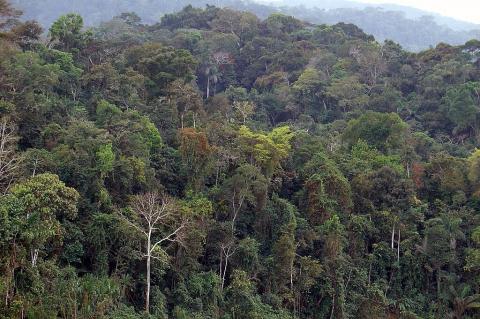
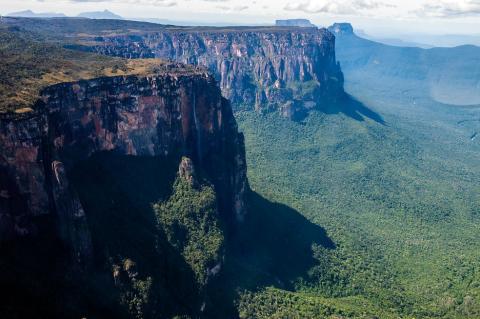
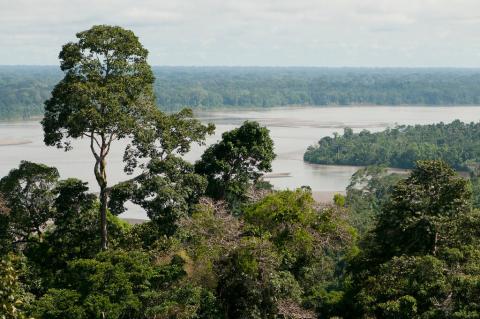
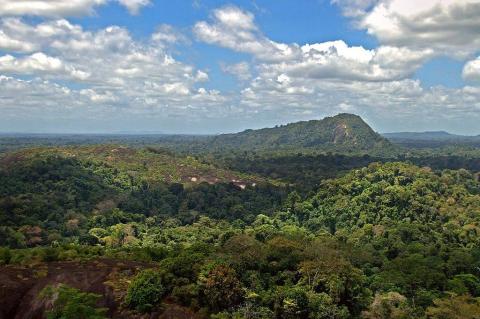
The Napo Moist Forests ecoregion, a lush and diverse expanse of tropical rainforest, is located in the western Amazon Basin, primarily within Ecuador and Peru, extending into southern Colombia. This ecoregion, known for its unparalleled biodiversity, encompasses a variety of habitats, from lowland rainforests to montane forests, supporting an incredible array of flora and fauna. The region's ecological significance and cultural heritage make research and protection vital.

The Nazca Lines: Mysteries of Ancient Peru

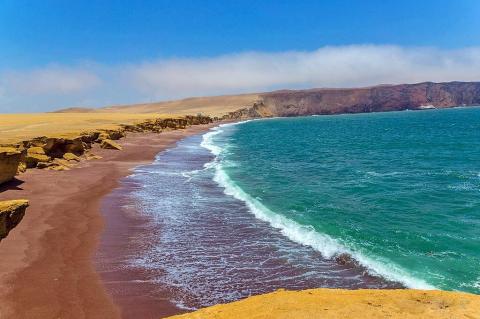
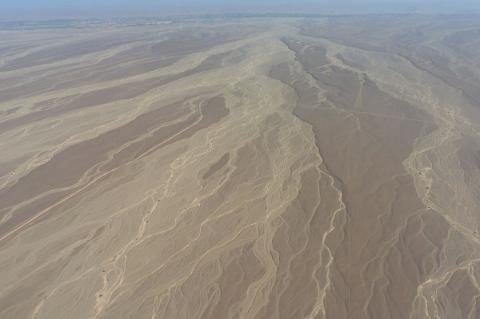
The arid plains of southern Peru, etched with a mesmerizing network of colossal geoglyphs, stand as a profound testament to the artistic and intellectual capabilities of the ancient Nasca and Paracas cultures. Stretching across the ochre-hued expanse known as the Nazca Desert, or Pampa Colorada (Red Plain), and extending into the neighboring Pampas de Jumana, these striking formations represent one of the world's most iconic and enduring archaeological enigmas.

The Pan-American Highway: Linking North, Central, and South America

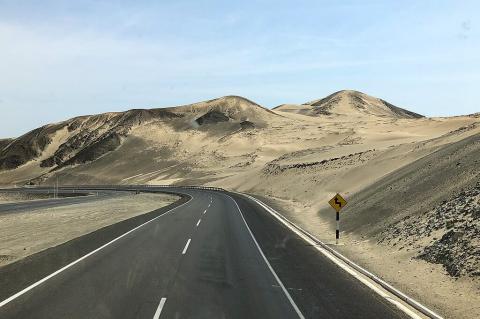
Stretching from the frozen tundras of Alaska to the windswept landscapes of Tierra del Fuego, the Pan-American Highway is a testament to human ingenuity and the indomitable spirit of connectivity. This vast network of roads is one of the most extensive and ambitious transportation systems ever conceived, serving as a vital artery for trade, tourism, and cultural exchange across the Americas. Despite the monumental achievements of the highway, a formidable obstacle remains – the Darién Gap.

The Peruvian Andes: Peru's Sierra Region Where Earth Touches Sky

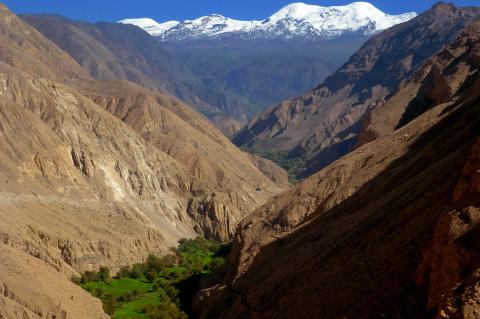
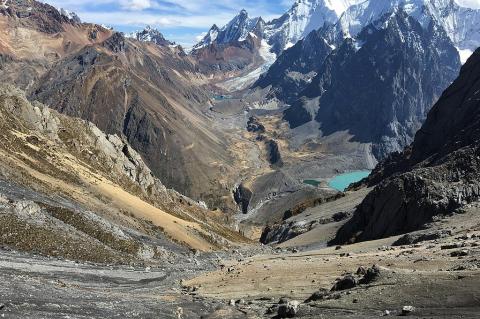
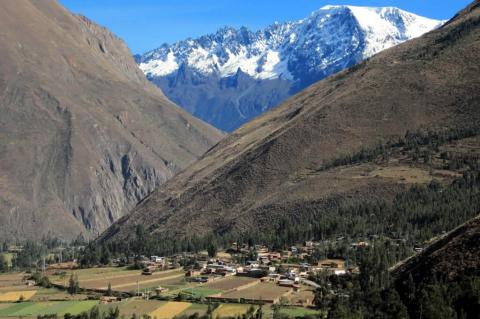
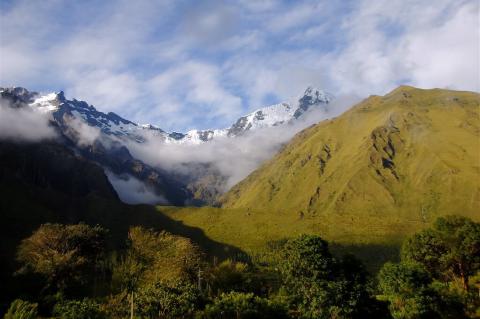
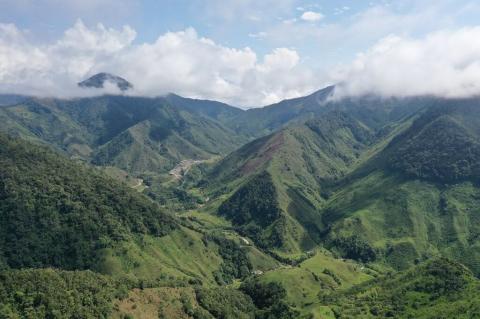
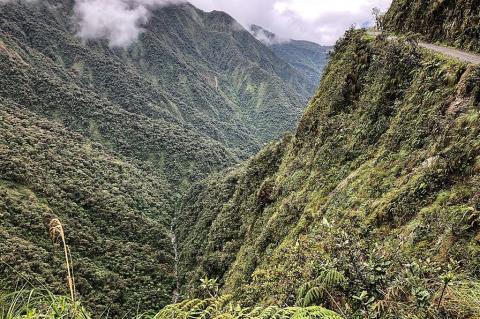
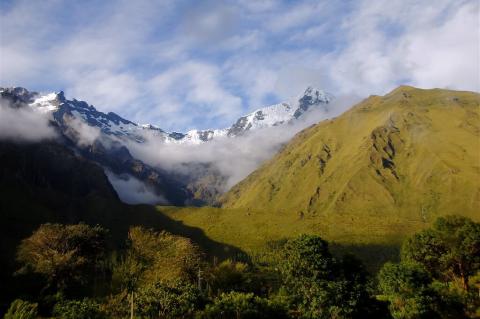
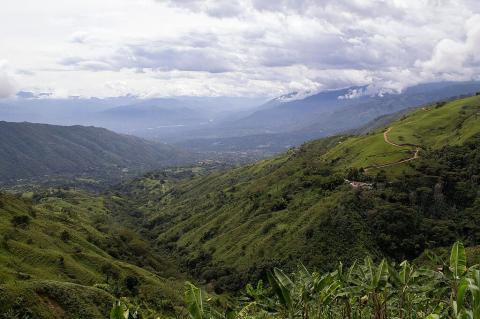
Rising proudly from the Pacific coastal plains to the Amazon Rainforest, Peru's Sierra region is one of the most breathtaking and intricate mountain systems on Earth. This expansive highland area, which includes the Peruvian section of the Andes, extends through the country's center like a giant geological backbone, influencing the landscape, climate, biodiversity, and cultural history of Peru. The region is mainly characterized by three main cordilleras, or mountain ranges, each with unique geological traits, climate conditions, and ecological systems.

The Putumayo River: A Vital Corridor of Life and Culture

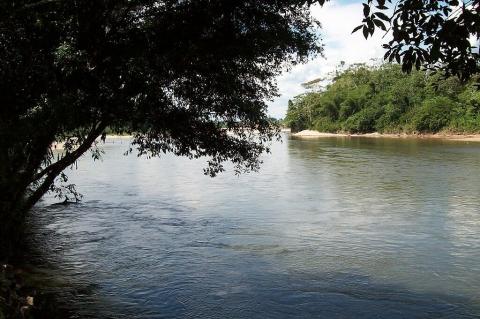
Flowing through the dense rainforests of South America, the Putumayo River—known as the Içá River in Brazil—is a lifeline for the Amazon basin. Stretching across Colombia, Ecuador, Peru, and Brazil, this transboundary river is a vital ecological, cultural, and economic resource for the region. Its diverse ecosystems, rich cultural heritage, and pivotal role in local and international trade make it a key feature of South America's natural landscape.

The Qhapaq Ñan: Weaving an Empire Through Stone and Sky

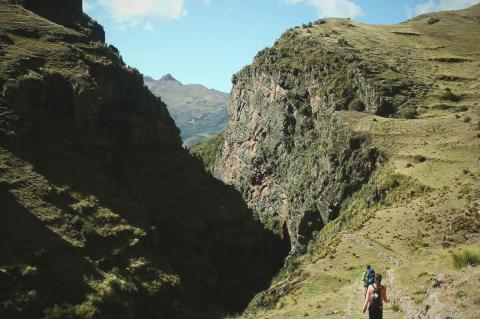
Stretching across the spine of South America, the Qhapaq Ñan represents one of humanity's most ambitious engineering achievements. This network of pathways once carried the footsteps of llamas laden with precious cargo, alpacas bearing the finest textiles, and chasqui messengers racing between distant provinces of the vast Inca Empire. More than mere roads, these ancient highways served as the nervous system of Tawantinsuyu, the "Land of the Four Quarters," binding together a realm that spanned from the emerald depths of the Amazon to the windswept altiplano.

The Sechura Desert Ecoregion: A Realm of Unexpected Biodiversity and Coastal Contrasts

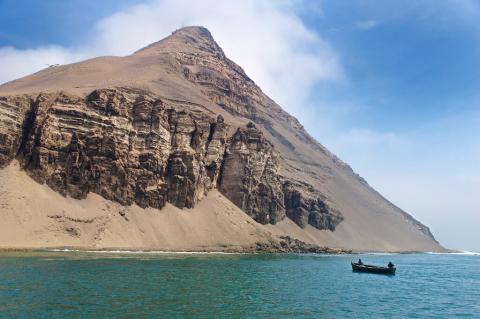
The western edge of South America, where the towering Andes meet the cool embrace of the Pacific Ocean, is etched with a series of arid landscapes. Among these, the Sechura Desert ecoregion stands out not merely as a barren expanse, but as a surprisingly dynamic and ecologically significant zone. Stretching along the northern coast of Peru and a small portion of southern Ecuador, this ecoregion reveals a unique interplay of hyper-arid conditions, unexpected biodiversity, and the intricate influence of the adjacent marine environment.

The Tumbes-Piura Dry Forests: A Biodiversity Hotspot within the Tumbes-Chocó-Magdalena Region

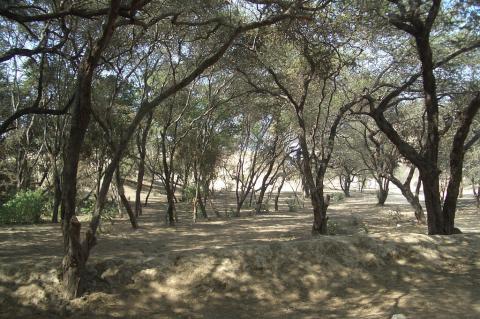
The Tumbes-Piura dry forests ecoregion is nestled along the Pacific coast of northwestern Peru and southwestern Ecuador. This unique and remarkable ecosystem is part of the larger Tumbes-Chocó-Magdalena biodiversity hotspot. This ecoregion, often overshadowed by the more well-known tropical rainforests of the Amazon basin, is a biodiversity hotspot in its own right, harboring an exceptional concentration of endemic species and facing significant conservation challenges.

The Ucayali River: A Vital Amazonian Artery of Peru

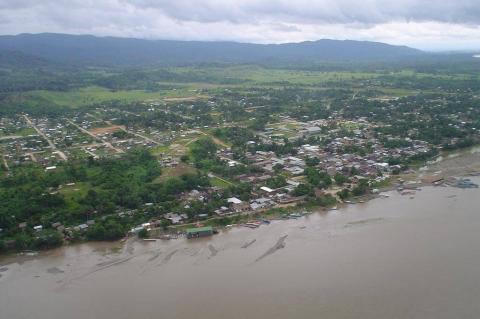
The Ucayali River flows through the heart of the Peruvian Amazon, winding its way through dense rainforests and remote communities. As one of the primary headwaters of the Amazon River, the Ucayali plays a critical role in South America's ecosystems, shaping the landscapes and providing a lifeline for wildlife and people alike. From its highland origins to its convergence with the Marañón River, where the Amazon River is officially born, the Ucayali River supports unique biodiversity, Indigenous cultures, and ongoing economic activity.

The Urubamba River: Sacred Waters from Andes to Amazon

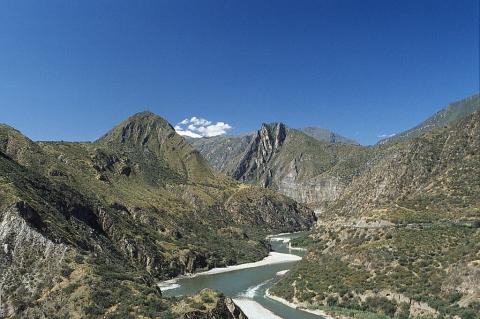
The Urubamba River, known as Willkamayu ("Sacred River") to the Incas, flows from its glacial origins in the Cordillera Vilcanota to its confluence with the Tambo River in Peru's Amazon Basin. This vital waterway traverses multiple ecological zones, supporting a diverse array of ecosystems. The river's cultural significance extends beyond its role as the Sacred Valley's agricultural lifeline—it remains central to Quechua spiritual practices and serves as the transportation corridor that enabled Inca imperial expansion while continuing to sustain Indigenous communities.