Peru

Lake Titicaca: Ancient Waters of the Andes

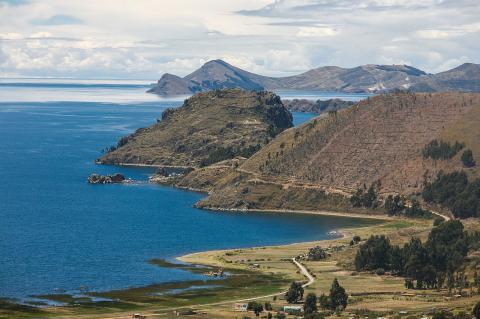
Lake Titicaca is one of the highest navigable lakes in the world. It is situated at the northern end of the Altiplano basin, on the border of Peru and Bolivia in the Andes Mountains. With a history dating back millions of years, Lake Titicaca is the largest lake in South America by volume and holds great cultural and ecological significance. The lake has always been an integral part of indigenous cultures and provides a habitat for a wide range of biodiversity, including over 530 aquatic species.

Lima, The City of Kings: Exploring the Heart of Peru

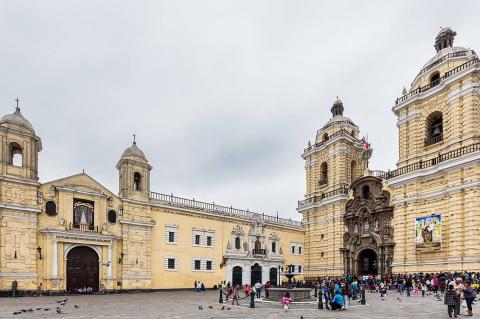
Lima, the vibrant capital of Peru, is a sprawling metropolis that gracefully bridges ancient heritage with contemporary allure. Established in 1535 by Spanish conquistador Francisco Pizarro and often referred to as La Ciudad de los Reyes or "The City of Kings," Lima sits on Peru's central western coast along the Pacific Ocean. The city is known for its rich tapestry of history, unique culinary scene, vibrant arts, and the dynamic blend of indigenous, Spanish, African, and Asian influences.

Lomas de Lachay: A Misty Oasis in the Peruvian Desert

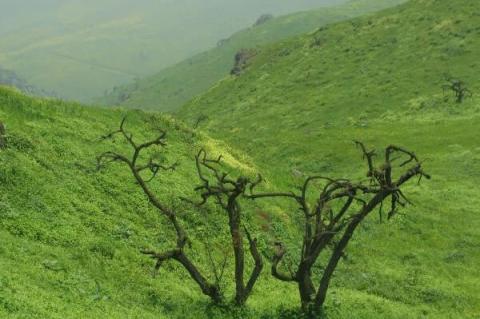
Nestled in the arid foothills of the Peruvian Andes north of the bustling capital city of Lima lies the Lomas de Lachay National Reserve. This verdant oasis defies the harsh reality of the surrounding desert. This protected area is a true gem, where the moist coastal mists have given rise to a unique micro-environment, nurturing a dwarf forest and a remarkable mist-fed ecosystem teeming with wild plant and animal species.

Machu Picchu: Where Stone Dreams Meet Cloud Forest Mysteries

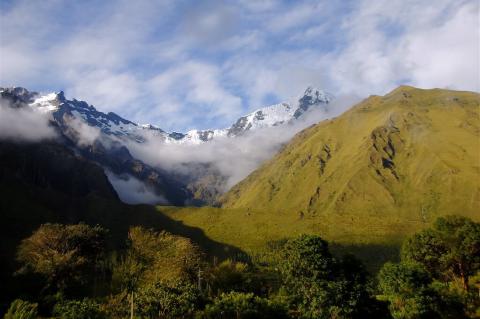
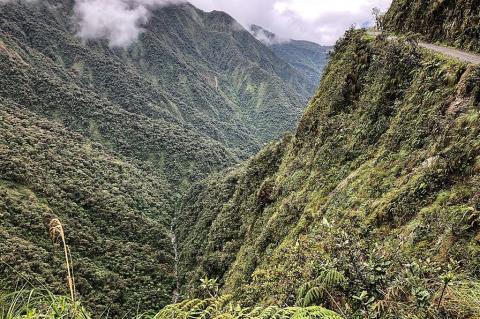
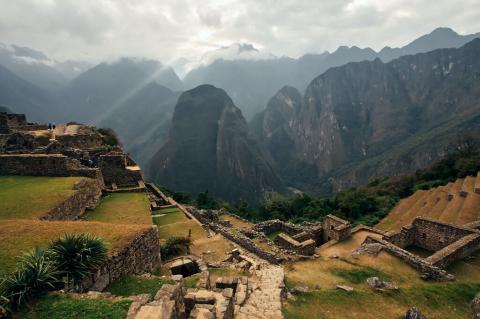
High above the Urubamba Valley, where Andean peaks pierce clouds and ancient mists whisper of forgotten ceremonies, stands Machu Picchu—perhaps the most enigmatic human achievement. This stone citadel seems to float between Earth and sky, its granite walls rising naturally from the mountain ridge like a formation shaped by divine hands rather than human tools. From its precisely engineered terraces to its role as guardian of numerous species, Machu Picchu is a masterpiece where human ingenuity harmonized with Earth's biodiversity.

Madeira River: A Lifeline of the Amazon Basin

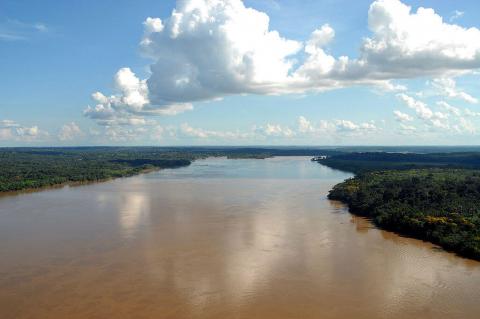
The Madeira River is one of South America's most significant waterways, playing a crucial role in the hydrology of the Amazon Basin. It is the largest and most important tributary of the Amazon River, making it a vital component of the region's ecosystem. Spanning Bolivia and Brazil, this mighty river traverses diverse landscapes and supports an array of flora and fauna, underscoring its importance as both a natural resource and a habitat.

Manú National Park: Where the Andes Meet the Amazon

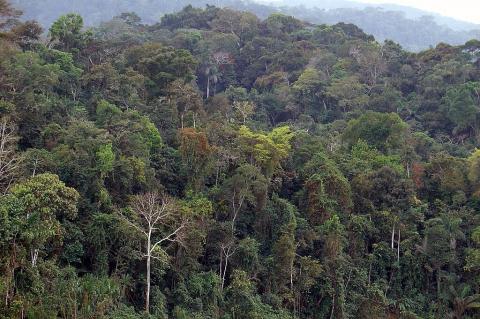
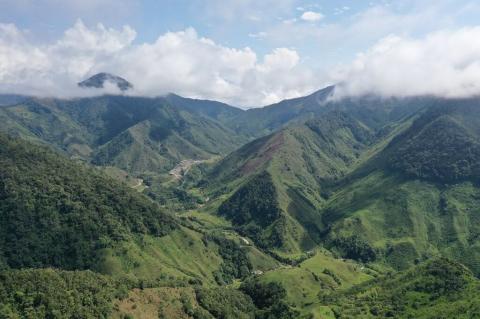
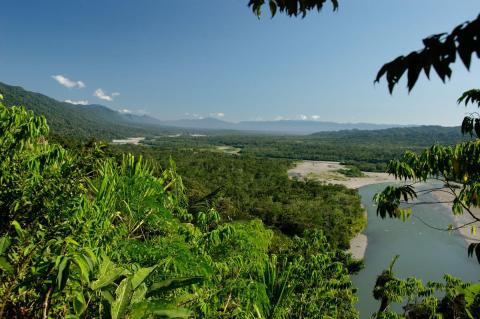
Manú National Park, located deep within Peru, where the mighty Andes transition into the lush Amazon Rainforest, is one of the planet's most remarkable wild regions. Its protected expanse stretches from snow-capped mountains to steamy lowland jungles, creating a sanctuary for an astonishing diversity of life—surpassing nearly every other place on Earth. This vast reserve not only conserves thriving wildlife but also safeguards Indigenous peoples who have lived in harmony with these forests for thousands of years.

Maras: A Hidden Gem of the Sacred Valley of the Incas

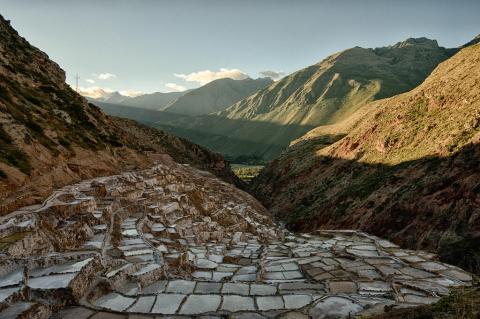
Nestled in the heart of the Sacred Valley of the Incas, the town of Maras stands as a testament to Peru's rich cultural heritage and natural wonders of Peru. This quaint village, located approximately 45 km (28 mi) north of Cusco, has captured the hearts of visitors with its picturesque streets, colonial architecture, and the remarkable Salineras de Maras—a salt mining marvel dating back to pre-Incan times.

Moray: The Inca Empire's Mountain Laboratory of Agricultural Innovation

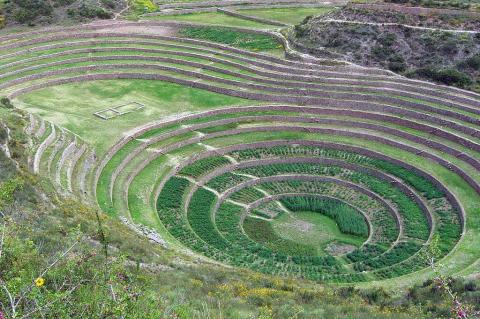
Located in the high-altitude plateau of Peru's Sacred Valley, the archaeological site of Moray features remarkable concentric circular terraces carved into natural limestone sinkholes, which create temperature differences between the levels. These amphitheater-like depressions enabled the cultivation of a multitude of crop varieties within a single complex. The site's sophisticated water management systems and precision stonework demonstrate an advanced understanding of microclimate manipulation that transformed natural geological formations into one of the ancient world's most innovative agricultural research facilities.

Ollantaytambo: A Jewel of Inca Civilization in Peru

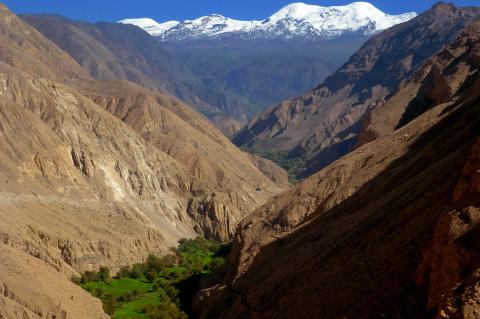
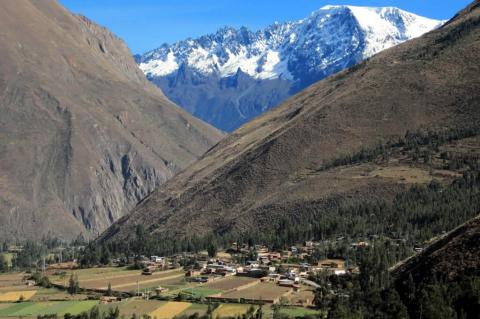
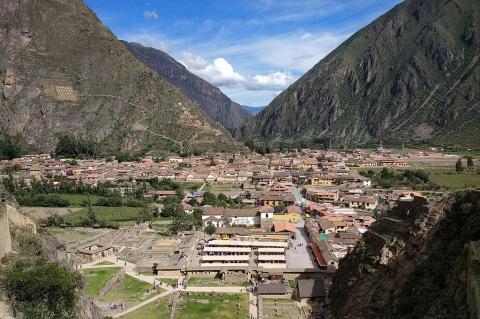
Nestled within the majestic landscapes of the Peruvian Andes, Ollantaytambo stands as a testament to the ingenuity, resilience, and cultural richness of the Inca civilization. This town, perched at the northern terminus of the Sacred Valley of the Incas, holds within its ancient stones a wealth of history, architecture, and tradition that continues to captivate visitors from around the globe.

Paracas National Reserve: A Coastal Desert Haven in Peru

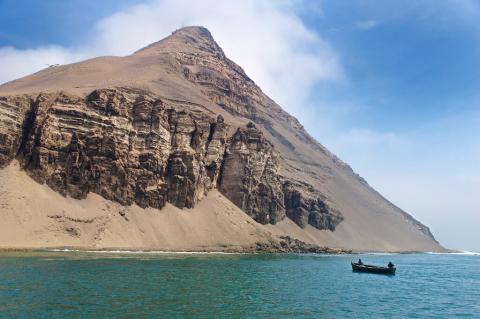
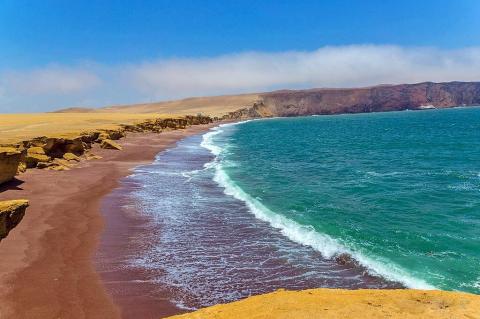
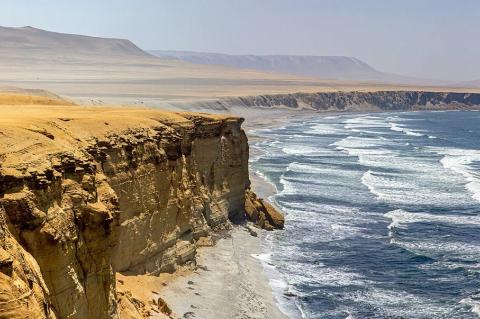
Paracas National Reserve is a unique protected area located in the Ica region of Peru, spanning coastal desert and marine ecosystems, making it a critical conservation area in South America. The reserve encompasses the Paracas Peninsula, Independence Bay, and surrounding desert regions, offering a rich mosaic of landscapes supporting diverse wildlife. In addition to its natural beauty, Paracas is steeped in archaeological history, with remnants of the ancient Paracas culture visible in the region. The combination of ecological significance and cultural heritage makes the Paracas National Reserve an exceptional destination.