
The Wild Frontier: Exploring Chile's Zona Austral
Chile's Zona Austral, the "Far South," stretches from the Guaitecas Archipelago to Cape Horn. As the southernmost of the five natural regions, it features a cold, wet climate, dramatic glaciated landscapes, rugged coastlines with fjords, and subpolar conditions in its southernmost areas.


Land of Ice and Wind: Unveiling the Natural Majesty of Chile's Far South
Chile's Zona Austral, the "Far South," encompasses the vast and sparsely populated territory stretching south from the Guaitecas Archipelago to the legendary Cape Horn, representing the country's final frontier towards Antarctica. Recognized by CORFO in 1950 as the southernmost of its five distinct natural regions, this zone is characterized by a cold, wet climate, dramatic glaciated landscapes, rugged coastlines with intricate fjords and numerous islands, and subpolar conditions in its southernmost reaches. The Zona Austral is a realm of raw, untamed beauty, supporting hardy flora and fauna adapted to the challenging environment. It is a history shaped by exploration, resource extraction, and the enduring spirit of its isolated communities.
A Climate of Extremes: Cold Winds and Subpolar Conditions
The defining climatic characteristic of the Zona Austral is its cold and wet climate, transitioning to subpolar conditions further south. Temperatures are consistently low throughout the year, with short, cool summers averaging between 10°C and 15°C (50°F and 59°F) and long, cold winters where temperatures often hover around or below freezing, accompanied by frequent snowfall, particularly in the Andes. The region experiences high levels of precipitation, often falling as rain, sleet, or snow, with totals generally increasing from north to south and significantly higher in the western, mountainous areas exposed to the prevailing westerly winds. Strong, persistent winds are a hallmark of the Zona Austral, contributing to the harsh conditions and shaping the vegetation. The proximity to the Southern Ocean and the influence of cold Antarctic air masses contribute to the region's challenging climate.
Topographical Majesty: Glaciers, Fjords, and Rugged Islands
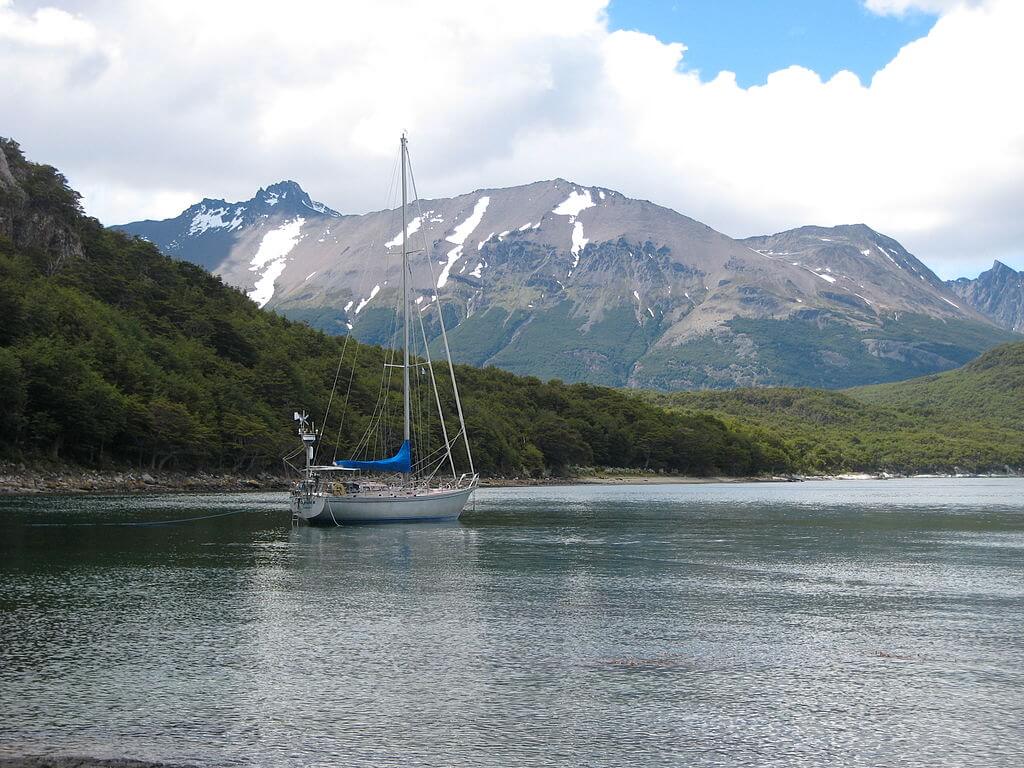
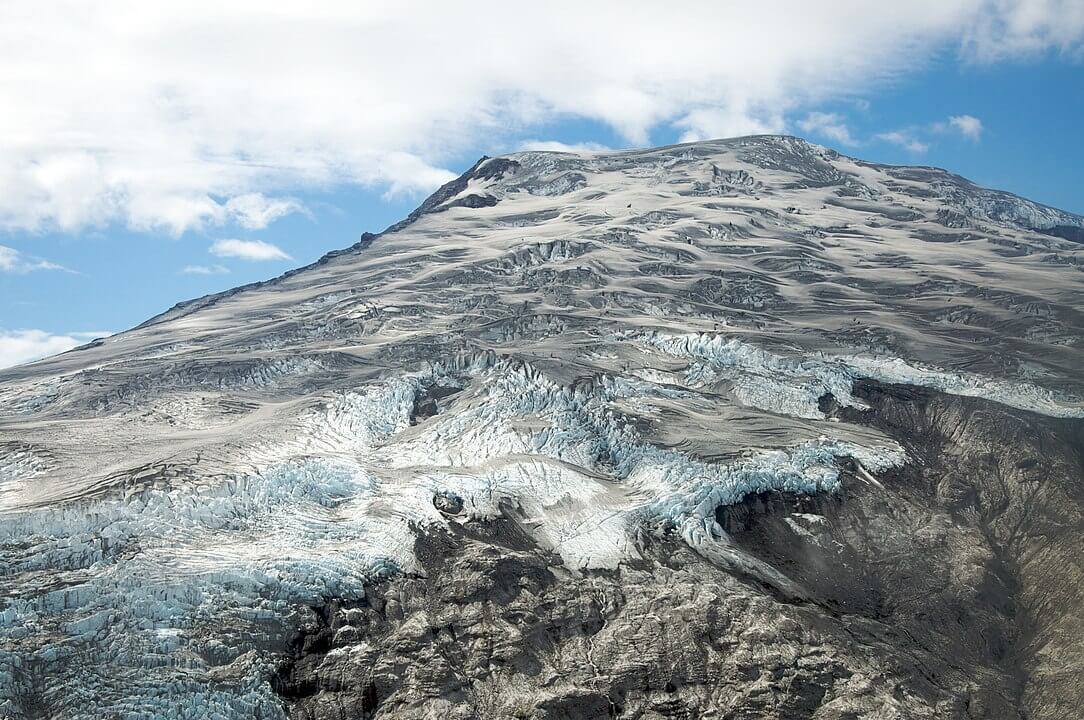
The topography of the Zona Austral is dominated by dramatic glaciated landscapes, intricate fjords, and a multitude of rugged islands. The southern reaches of the Andes Mountains form the backbone of the region, characterized by towering, often ice-capped peaks and extensive ice fields, including the vast Southern Patagonian Ice Field, the largest temperate ice field in the Southern Hemisphere. Glacial erosion has carved deep U-shaped valleys, many of which have been inundated by the sea, forming the complex network of fjords and channels that dissect the coastline. Numerous islands, ranging in size from small rocky outcrops to larger landmasses like Tierra del Fuego, are scattered along the Pacific coast and within the Strait of Magellan. The eastern part of the Zona Austral encompasses the Patagonian plains, characterized by windswept grasslands and a more subdued topography compared to the mountainous west.
Hardy Life: Flora and Fauna of the Far South
The flora of the Zona Austral is adapted to the cold, wet, and often windy conditions. Subantarctic forests, dominated by species of Nothofagus (southern beech) such as lenga (Nothofagus pumilio) and coigüe (Nothofagus betuloides), are prevalent in less exposed areas. Closer to the ice fields and in more exposed locations, vegetation transitions to tundra-like communities consisting of low-growing shrubs, mosses, lichens, and hardy grasses. The eastern Patagonian plains are characterized by extensive grasslands adapted to the strong winds and drier conditions compared to the western fjords.
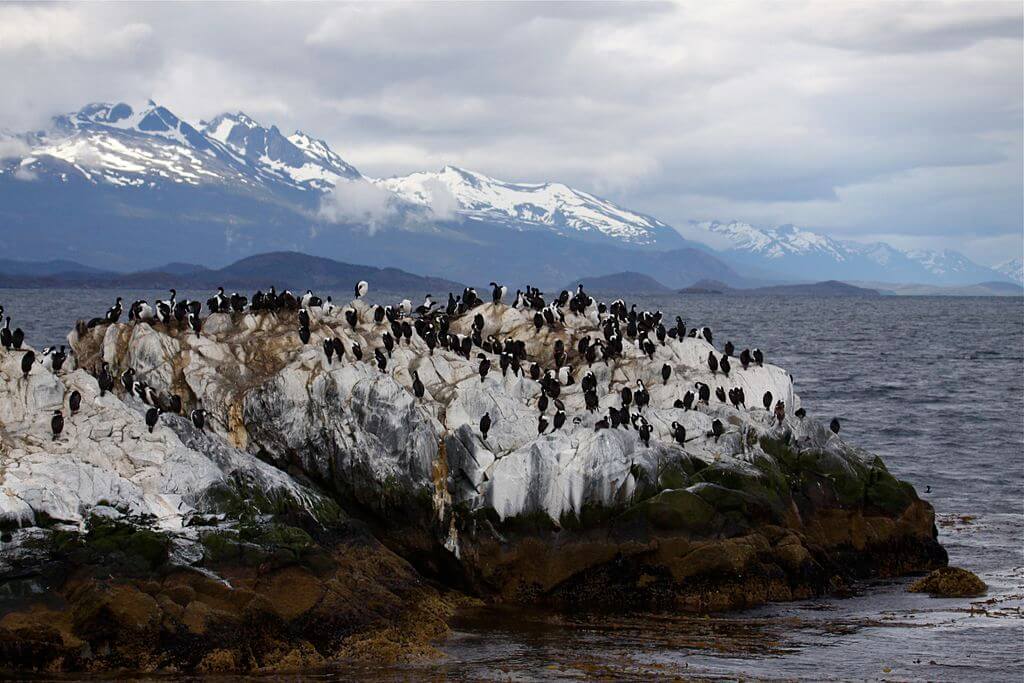
The fauna of the Zona Austral includes species adapted to the cold and often harsh environment. Iconic mammals include the guanaco (Lama guanicoe), a hardy relative of the llama, and the elusive Andean condor (Vultur gryphus), often seen soaring over the mountainous terrain. Various seabirds, including numerous species of penguins (Magellanic, King, and Gentoo), albatrosses, and petrels, thrive along the coast and on the islands, feeding on the rich marine resources of the Southern Ocean. Marine mammals such as seals and whales are also common in the fjords and coastal waters. Introduced species, like the European rabbit and the South American beaver, have had significant ecological impacts in some areas.
A History of Exploration and Resourcefulness: From Indigenous Peoples to Pioneers
The Zona Austral has a history shaped by the resilience of its Indigenous peoples, including the Kawésqar, Yaghan, and Selk'nam (Ona), who adapted to the challenging coastal and inland environments for millennia. European exploration began in the 16th century with Ferdinand Magellan's voyage through the strait that now bears his name. The region remained largely isolated until the late 19th and early 20th centuries, when sheep farming flourished in the Patagonian grasslands and resource extraction, including timber and fishing, gained importance. The remoteness and harsh conditions fostered a spirit of self-reliance and resourcefulness among the early settlers.
Notable Features and Attractions
The Zona Austral is renowned for its breathtaking natural beauty and unique attractions. Torres del Paine National Park, a world-famous destination, features dramatic granite peaks known as the Torres del Paine, stunning turquoise lakes, impressive glaciers, and a diverse array of wildlife, making it a prime location for hikers and nature enthusiasts from around the globe.
While located across the border in Argentina, Los Glaciares National Park, with its immense and accessible glaciers such as Perito Moreno, is a significant attraction easily visited from the Chilean side of Patagonia. The Strait of Magellan, a historically and geographically important waterway separating mainland South America from the Tierra del Fuego archipelago, offers dramatic coastal scenery and excellent opportunities for wildlife viewing.
Tierra del Fuego, an archipelago at the southern tip of South America shared by both Chile and Argentina, is characterized by its rugged mountains, windswept plains, and unique subantarctic ecosystems, with key settlements including Ushuaia on the Argentinian side and Porvenir on the Chilean side. Cape Horn, the southernmost headland of the Tierra del Fuego archipelago, holds historical significance for maritime navigation and stands as a powerful symbol of the wild and untamed nature of the far south.
Punta Arenas, the largest city in the Zona Austral, is strategically located on the Strait of Magellan and serves as a vital hub for exploration, scientific research, and tourism activities within the region. The intricate network of fjords and channels that carve through the Pacific coastline provides stunning scenery and offers exceptional opportunities for boat trips and access to remote and pristine wilderness areas.
Finally, numerous glaciers, including those found within Bernardo O'Higgins National Park and Alberto de Agostini National Park, calve dramatically into the fjords, offering spectacular displays of ice formations and the raw power of nature.
Conclusion: A Wild and Untamed Frontier
Chile's Zona Austral, the country's southernmost natural region as defined by CORFO, is a land of unparalleled wildness and dramatic beauty. Characterized by its cold, wet climate, imposing glaciated landscapes, intricate fjords, and subpolar conditions, this region stands as a testament to the power of nature in its most untamed form. The hardy flora and fauna that have adapted to this challenging environment, alongside a history shaped by Indigenous resilience and pioneering spirit, contribute to the unique character of the Far South. From the iconic peaks of Torres del Paine to the historic Strait of Magellan and the remote wilderness of Tierra del Fuego, the Zona Austral remains a captivating and awe-inspiring frontier, embodying the raw and untamed spirit of the end of the Earth.
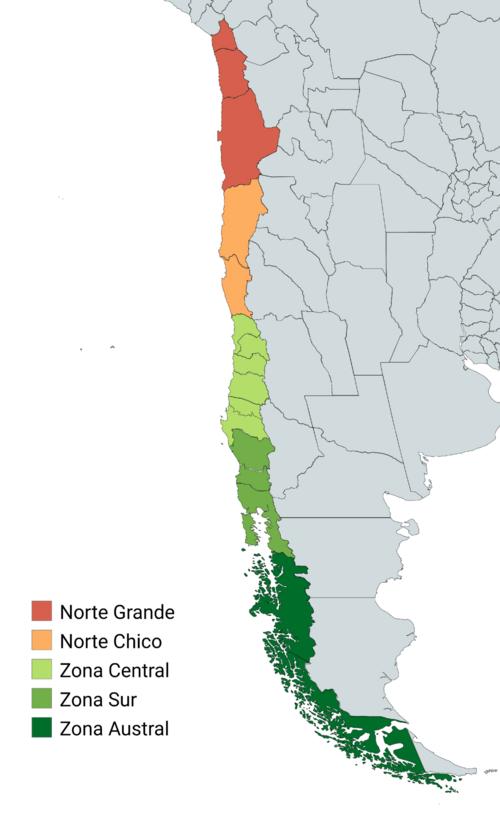
Map depicting the natural regions of Chile.